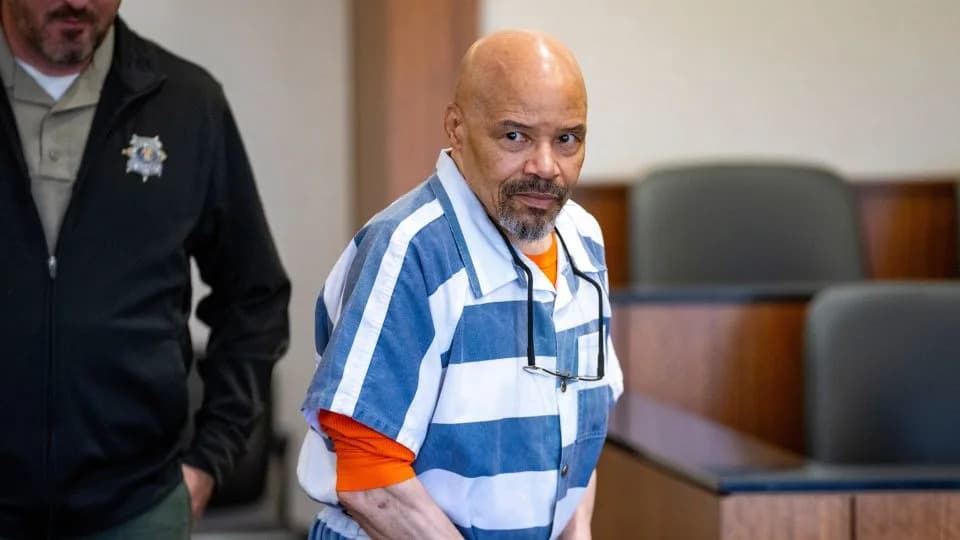
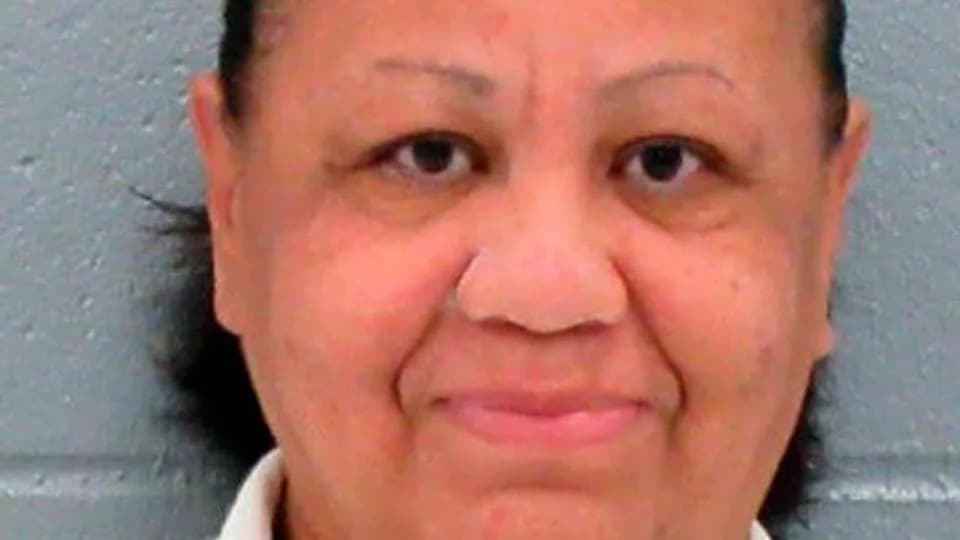
Elvis Brooks, who spent 42 years imprisoned for a 1977 murder that a judge later vacated, is legally eligible for up to $480,000 in compensation under Louisiana law. Attorney General Liz Murrill is opposing his claim, and her office has fought 22 of 23 exoneree compensation requests since she took office. Advocates say Louisiana’s "clear and convincing" standard and aggressive opposition from the attorney general make payment difficult to obtain. Brooks survives on a $994 monthly Social Security check while the state relitigates his claim.
Served 42 Years, Still Denied $480K: The Fight Over a Louisiana Exoneree’s Compensation

NEW ORLEANS, LOUISIANA - AUGUST 26: An aerial view of rebuilt homes amid vacant lots where homes once stood in the Lower Ninth Ward. (Photo by Brandon Bell/Getty Images)
Elvis Brooks spent 42 years behind bars for a 1977 bar shooting he says he did not commit. Although a judge vacated his conviction after prosecutors acknowledged that fingerprint evidence pointing away from him was not disclosed, Brooks has not received the compensation to which he is statutorily entitled—because Louisiana’s attorney general is actively contesting his claim.
Background
Brooks, now 69 and living in New Orleans, was 19 when he was arrested. No physical evidence tied him to the crime, and about a dozen people placed him at a family gathering at the time of the shooting. He was convicted largely on the identifications of three witnesses who said they briefly saw him—a Black teenager at the time—in a dim room. Decades later, a prosecutor admitted that fingerprint evidence undermining the case was not disclosed to the defense, and a judge vacated Brooks’s conviction.
The Compensation Dispute
Under Louisiana’s wrongful-conviction compensation law, Brooks is eligible for up to $480,000. But Attorney General Liz Murrill has opposed his claim in court, asserting that he remains guilty. Reporting by ProPublica and Verité News found that since Murrill took office two years ago, her office has opposed 22 of 23 compensation claims filed by exonerees, including cases supported by DNA evidence. In one reported instance, the attorney general’s office allegedly threatened an exoneree’s law license if he pursued payment.
Legal Hurdles
Louisiana requires applicants seeking compensation to prove their innocence by a "clear and convincing" standard—a higher burden than many states require. Advocates for the wrongfully convicted say the state’s approach effectively places an unusually steep barrier in the way of exonerees attempting to secure compensation after wrongful imprisonment.
Human Cost
The dispute has real consequences. Brooks survives on a $994 monthly Social Security benefit while the state continues to relitigate whether he is entitled to compensation. He describes the continued fight as "a second punishment," and says that if payment ever comes, he plans to buy a larger headstone so all seven family members’ names can be properly inscribed.
"It feels like a second punishment," Brooks told reporters—summarizing the emotional toll of years behind bars followed by a prolonged legal fight for recognition and redress.
This case raises broader questions about how states balance finality, fiscal concerns, and accountability when correcting wrongful convictions—and how legal standards and executive decisions shape exonerees’ chances of receiving compensation.
Reporting referenced: ProPublica and Verité News investigation.
Help us improve.