Queen's University Belfast researchers report that colorectal cancer cells surviving the chemotherapy drug 5-fluorouracil (5FU) reprogram their mitochondria to survive further treatment, a mechanism published in Nature Metabolism. The team warns that therapy resistance underlies over 80% of cancer deaths, underscoring the need for new approaches. Separately, a Mayo Clinic study in Nature shows that damaged "zombie" mitochondria accumulate with age and drive chronic inflammation linked to cancer, highlighting potential prevention and treatment targets.
Scientists Reveal How Colorectal Tumours Rewire Mitochondria To Evade Chemotherapy — New Studies Offer Hope

As colon cancer occurs more often among younger people, team of Belfast-based scientists has figured out what has been making treatment less effective. Here, doctors use technology during surgery. Sina Schuldt/dpa
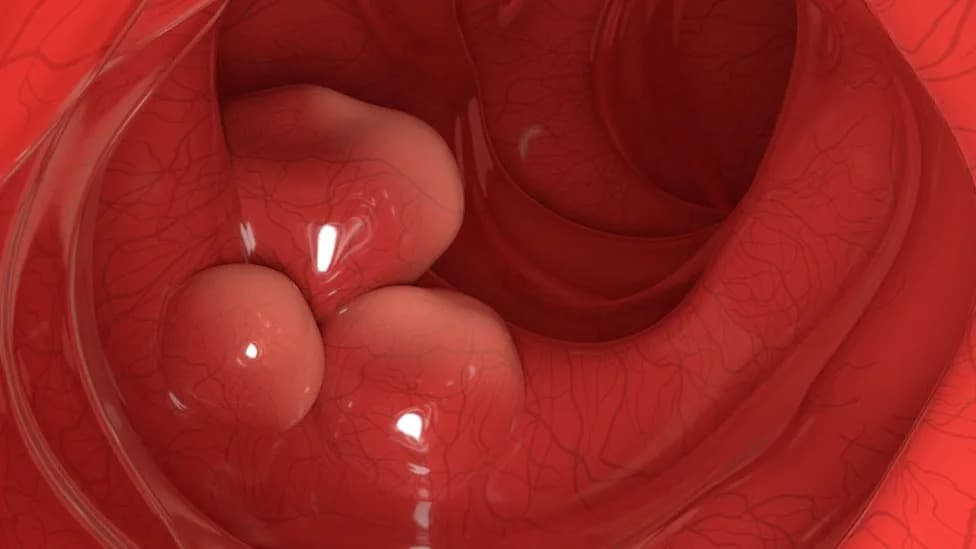
As bowel cancer rises among people in their 50s and younger, clinicians and researchers are alarmed not only by earlier onset but by growing resistance to standard chemotherapy. New findings from teams in Northern Ireland and the United States shed light on why treatments can fail — and point toward strategies that could improve outcomes.
How 5FU Triggers Mitochondrial Rewiring
Researchers at Queen's University Belfast (QUB) report that colorectal cancer cells that survive exposure to the widely used chemotherapy drug 5-fluorouracil (5FU) reprogram their mitochondria — the cell's energy hubs — to withstand further treatment. The work, led by Emma Kerr of QUB's Johnston Cancer Research Centre and published in Nature Metabolism, shows that 5FU induces metabolic stress that prompts these adaptive changes.
"Cancer cells can reprogramme these functions to support tumour growth and withstand stress, which helps them resist treatments that would otherwise eliminate them," said Emma Kerr.
The team emphasizes that therapy resistance underlies more than 80% of cancer deaths annually, highlighting the urgent need to understand and overcome the mechanisms that allow tumour cells to survive chemotherapy.
Mayo Clinic: 'Zombie' Mitochondria and Chronic Inflammation
Separately, researchers at the Mayo Clinic published a study in Nature demonstrating a previously unknown mechanism by which damaged or "dysfunctional" mitochondria drive chronic inflammation — a process implicated in many age-related diseases, including cancer. The study describes how these so-called "zombie" cells accumulate with age and contribute to persistent inflammation that can promote tumour development and progression.
Implications For Patients And Research
Taken together, these studies link mitochondrial health to both therapy resistance and disease-promoting inflammation. By pinpointing how 5FU-exposed cancer cells rewire their metabolism, scientists can explore targeted strategies to block those survival pathways and make chemotherapy more effective. Likewise, understanding how dysfunctional mitochondria provoke chronic inflammation may open new avenues to prevent or treat age-related cancers.
While further research and clinical validation are needed, these findings provide a clearer picture of tumour survival tactics and suggest tangible targets for improving treatments for early-onset and other colorectal cancers.
Sources: Queen's University Belfast (Johnston Cancer Research Centre), Nature Metabolism; Mayo Clinic, Nature.
Help us improve.