Brazil’s Supreme Court will hear several consequential cases that could reshape Amazon protections, after Congress overrode environmental vetoes by President Luiz Inácio Lula da Silva. Key issues include clarification of a 2025 ruling rejecting a strict “time limit” on Indigenous land claims, the future of the 2008 soy moratorium after ABIOVE’s withdrawal, and a challenge to a new February environmental licensing law that speeds project approvals. Outcomes may affect Indigenous land rights, deforestation trends and regulatory safeguards across the Amazon.
Brazil’s Supreme Court To Decide High-Stakes Cases That Could Reshape Amazon Protections
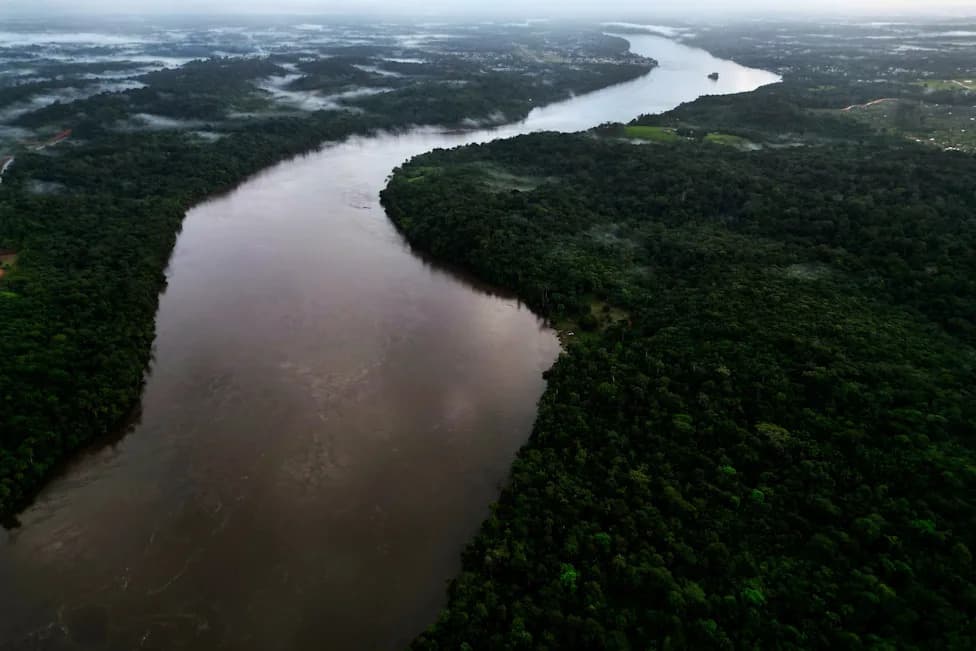
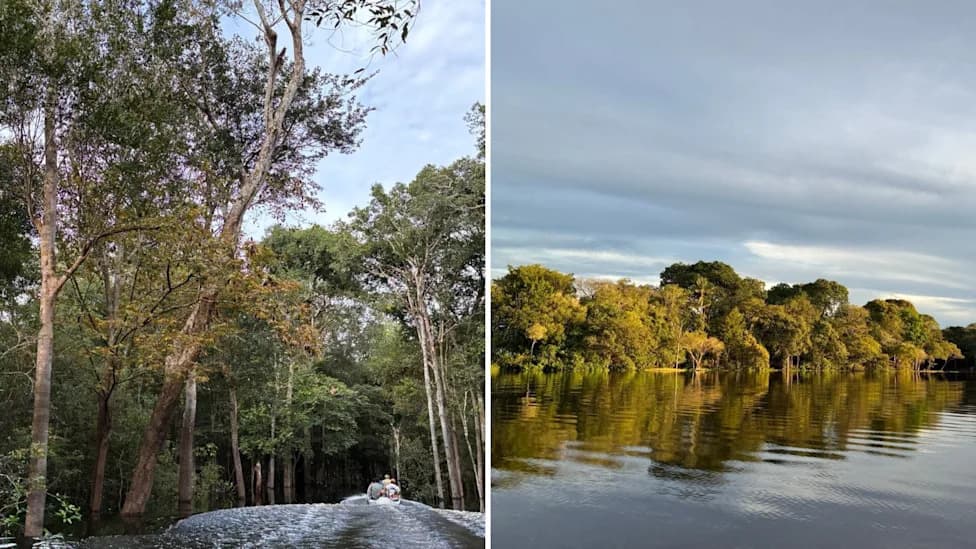
Trees line the Oiapoque River on the border between Brazil and French Guiana, March 10, 2026 [Eraldo Peres/AP]
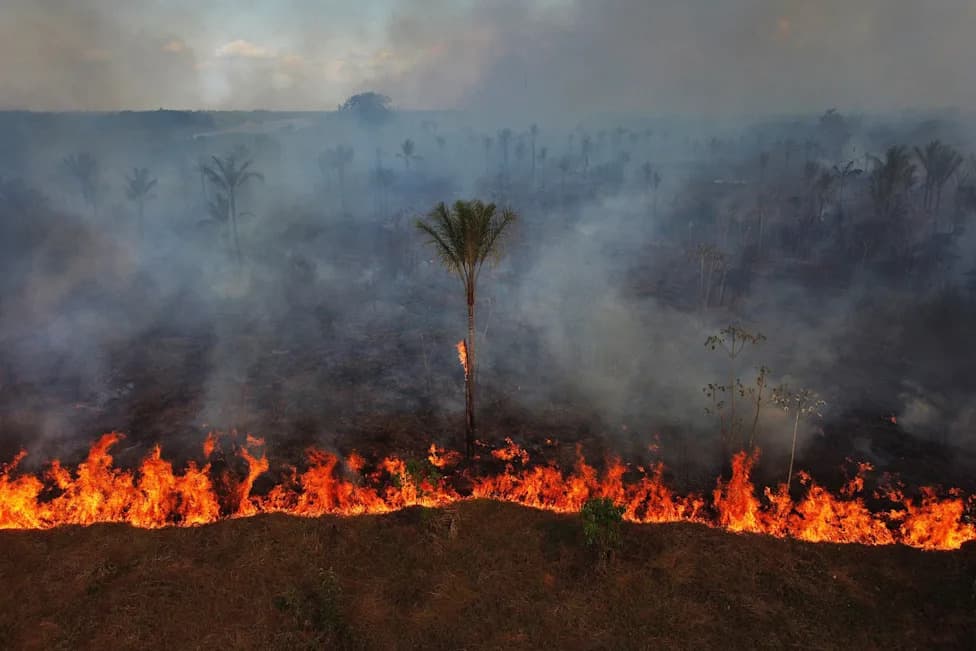
Brazil’s Supreme Court is set to hear a series of high-profile cases this week that could significantly alter legal protections for the Amazon rainforest. The hearings come after a largely conservative Congress overturned several environmental vetoes by President Luiz Inácio Lula da Silva, deepening a national debate over how to balance economic development and conservation.
What the Court Will Consider
Clarification of the 2025 “time limit” ruling: On Friday the court began reviewing final motions asking judges to clarify a 2025 decision that dismissed the so-called “time limit” thesis. That legal theory, pushed by agribusiness interests, would confine Indigenous land claims to territories that were occupied or under legal dispute when Brazil’s 1988 Constitution came into force. Supporters say a cutoff would provide legal certainty for landowners; Indigenous leaders say it would ignore decades of forced displacement and violence and could invalidate claims to ancestral territory — potentially affecting communities across the Amazon, including isolated groups such as the Kawahiva.
Future of the soy moratorium: The court will also review a legal challenge to the industry-led soy moratorium, which barred major traders from buying soy produced on land deforested in the Amazon after 2008. The pact has been credited with helping curb deforestation even as Brazil’s agricultural output expanded. In January, several soy-producing states revoked tax incentives for companies participating in the moratorium, prompting the Brazilian Association of Vegetable Oil Industries (ABIOVE) to withdraw.
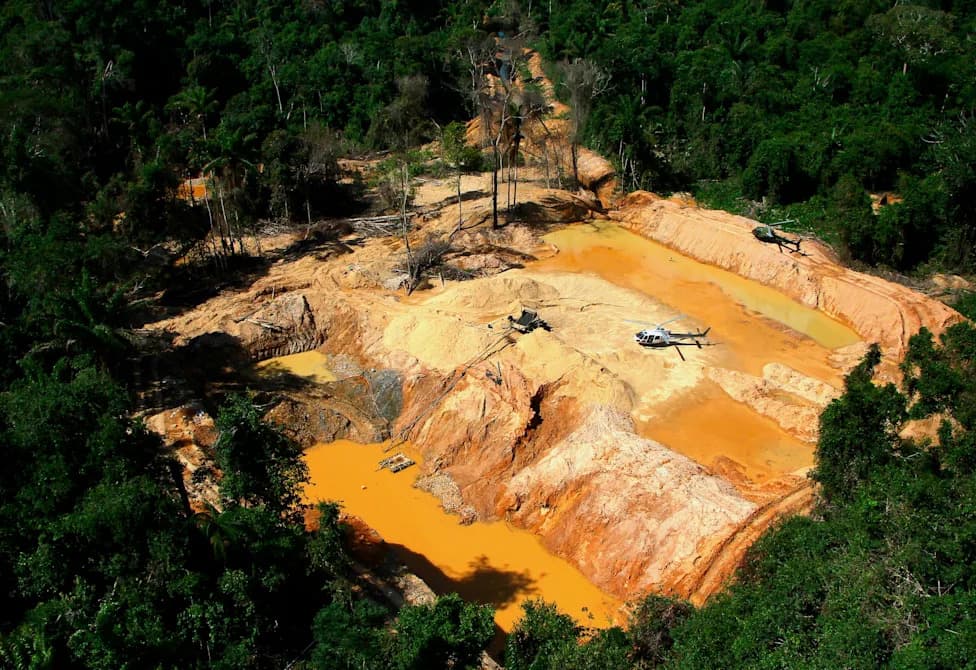
Challenge to the new environmental licensing law: Another case concerns a new licensing law that took effect in February. The law expedites approvals for projects such as mines, highways and industrial plants. Environmental groups warn the fast-tracking could weaken safeguards in a globally vital ecosystem. Activists cite recent moves — including paving a controversial highway and proposals to dredge the Tapajós River — as early signs the law is already producing tangible consequences for the Amazon.
Context And Stakes
Deforestation in the Amazon fell to its lowest level in a decade during the first half of 2026, but the outcomes of these cases could reverse course or change how protections are enforced. The court’s decisions may address not only the scope of Indigenous land rights and compensation mechanisms, but also the accountability of agribusiness and the legal foundations for environmental oversight of large infrastructure and agricultural projects.
Why it matters: The rulings could affect Indigenous communities’ land security, corporate sourcing rules, state tax policies, and the pace at which major development projects are permitted across the Amazon Basin.
The Supreme Court’s interpretations will be closely watched by Indigenous groups, environmental organizations, agribusiness, traders, and international partners concerned about climate, biodiversity and human rights.
Help us improve.