The Australian Institute of Marine Science reports that a late summer monsoon—bringing clouds, rain and increased wind-driven mixing—helped cool parts of the Great Barrier Reef and reduce heat stress. Hard coral cover rose in the north (30% to 35.1%) and central (28.6% to 31.6%) regions between August 2025 and June 2026, while the south dipped slightly. AIMS surveyed 121 reefs: 28% showed gains, 56% were stable and 16% declined. Experts caution these improvements are fragile and could be reversed by another severe bleaching event.
Late Monsoon Brings Respite to Great Barrier Reef, AIMS Reports
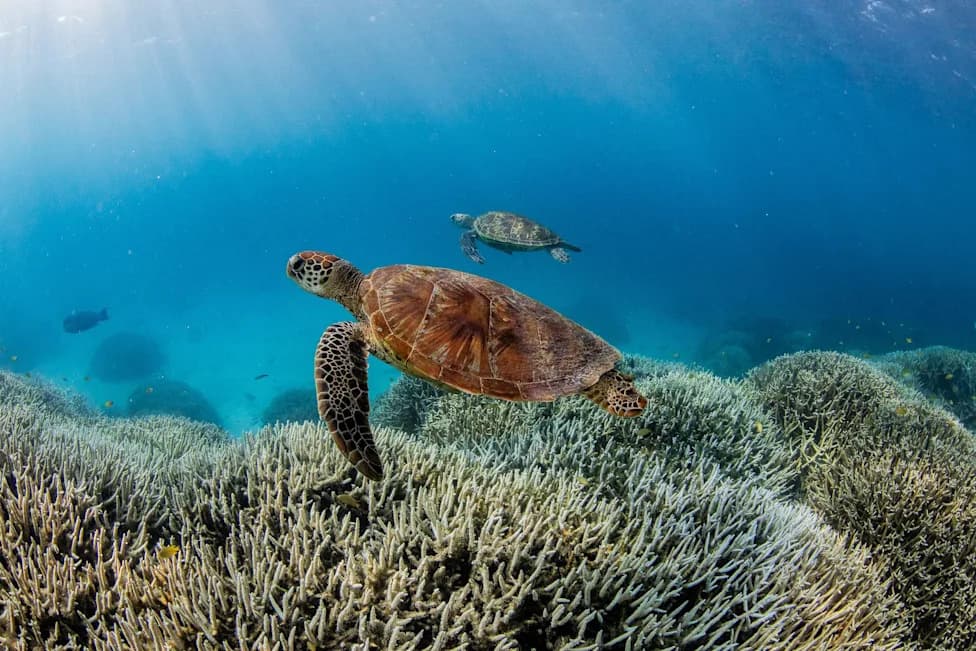
FILE PHOTO - Turtles swim in the southern area of the Great Barrier Reef. (is associated with: «Late monsoon brings Great Barrier Reef reprieve from coral bleaching») -/Theundertow Ocean & Divers for Climate/AAP/dpa
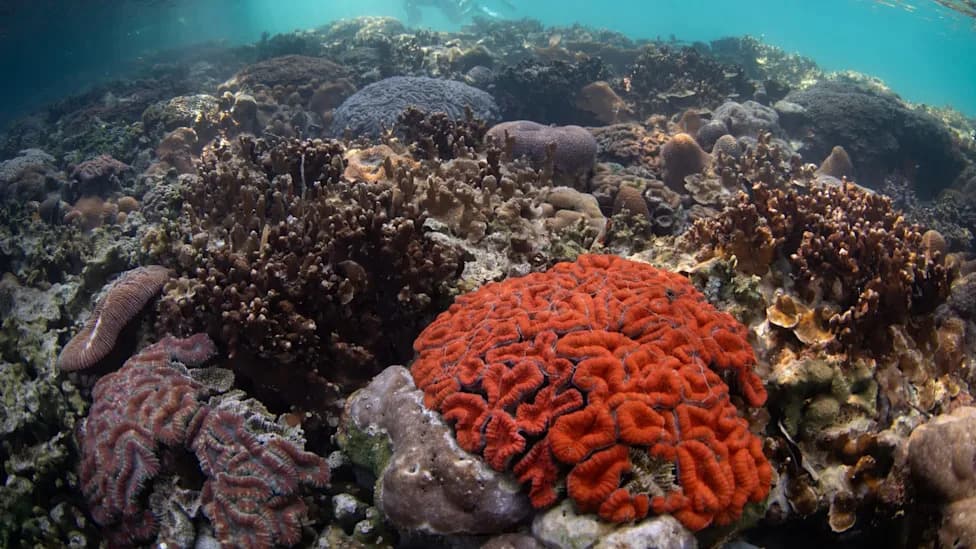
Parts of Australia's Great Barrier Reef were spared further heat stress after a late summer monsoon delivered cooling rain and cloud cover to the world-famous reef off the country's east coast, the Australian Institute of Marine Science (AIMS) reports.
Weather And Ocean Mixing Helped Cool Waters
Clouds and sustained rainfall in the opening months of the year arrived just as early signs of fresh coral bleaching were appearing in northern and central areas. Wind and wave action also mixed warmer surface waters with cooler deeper water, helping to reduce thermal stress on corals.
Encouraging Signs Of Recovery
AIMS found modest increases in hard coral cover in the northern and central regions. Between August 2025 and June 2026, hard coral cover in the north rose from 30% to 35.1%, and in the central region it climbed from 28.6% to 31.6%. The southern region showed a slight decline, from 26.9% to 26.4%.
AIMS surveyed 121 reefs for the annual report: coral cover increased on 28% of surveyed reefs, remained unchanged on 56%, and declined on 16%.
"Those gains could be wiped out within a year by another severe bleaching event," warned AIMS monitoring programme leader Mike Emslie, underscoring how fragile recoveries can be.
Ongoing Threats
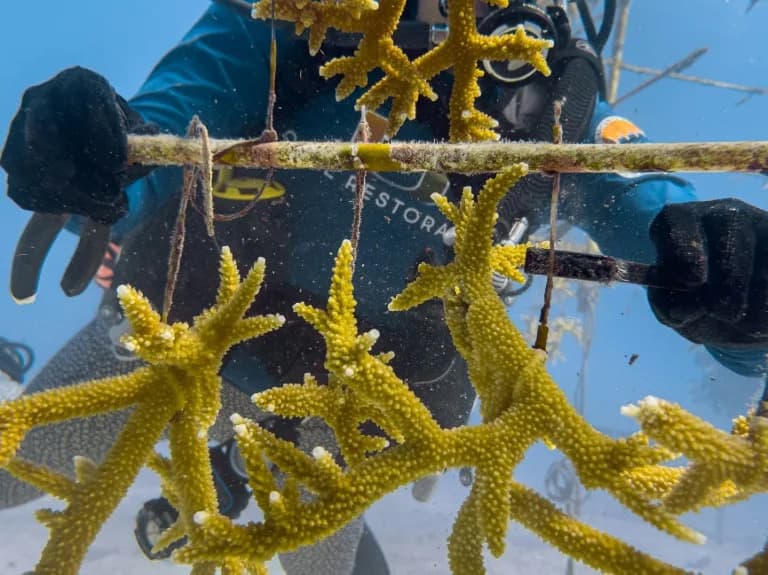
Although bleached corals are severely stressed, they are often not dead and can recover if water temperatures fall. Fast-growing Acropora corals can rebound quickly but are particularly vulnerable to heat—making recent gains precarious if conditions worsen.
The Great Barrier Reef has endured six mass bleaching events between 2016 and 2025. Rising ocean temperatures remain the primary long-term threat, compounded by poor water quality, outbreaks of coral-eating crown-of-thorns starfish, cyclones, and severe weather.
Context: The Great Barrier Reef, the world's largest coral reef system, has been a UNESCO World Heritage Site since 1981. AIMS' findings highlight both the reef's capacity for partial recovery and the urgent need to reduce ongoing pressures to protect future resilience.
Help us improve.