Illinois’ Coal to Solar and Energy Storage Initiative aimed to convert retired coal-plant sites into solar-plus-storage projects but produced only three small solar-plus-storage installations and no standalone batteries. A fixed $30 REC price, inflation, supply-chain and interconnection costs, coal-ash contamination, and eligibility limits made many projects uneconomic. Authors recommend flexible, market-indexed incentives and expanded program design; Illinois is pursuing other incentives and a 3 GW storage target for 2030.
Why Illinois’ Coal-to-Solar Program Fell Short — And What Comes Next
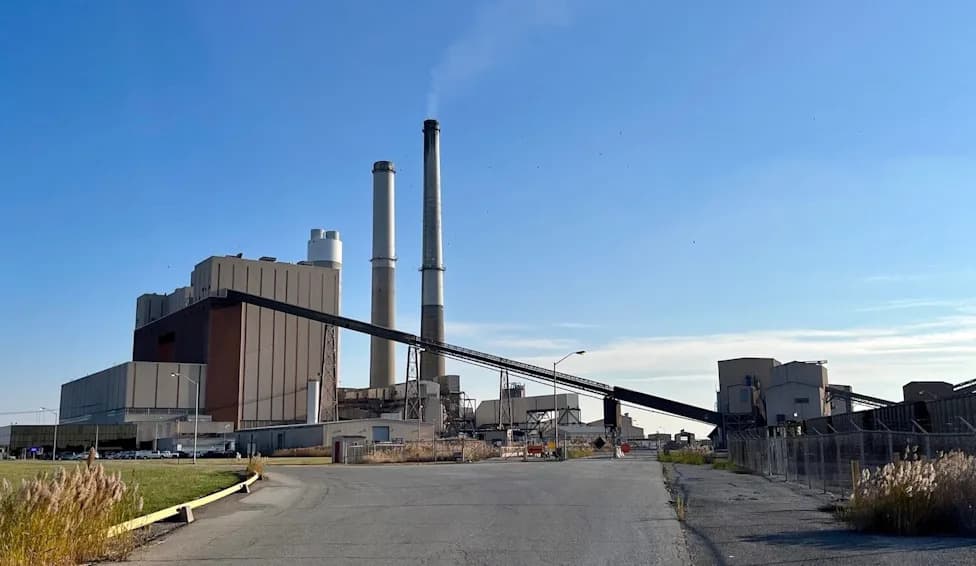
Why Illinois has struggled to turn old coal sites into solar farms
Illinois launched its Coal to Solar and Energy Storage Initiative five years ago to convert shuttered coal-plant sites into solar-plus-storage projects that could reuse grid connections, repurpose land, and help replace lost tax revenue and jobs. A new report from the University of Illinois' Climate Jobs Institute and the Prairie Rivers Network finds the program largely missed its goals.
What the Program Set Out to Do
The initiative aimed to produce at least six meaningful solar-plus-storage installations and five large stand-alone battery banks by prioritizing retired coal sites. Only two owners — NRG Energy and Vistra — had eligible sites under the program, and both companies helped shape the law that created it.
Results
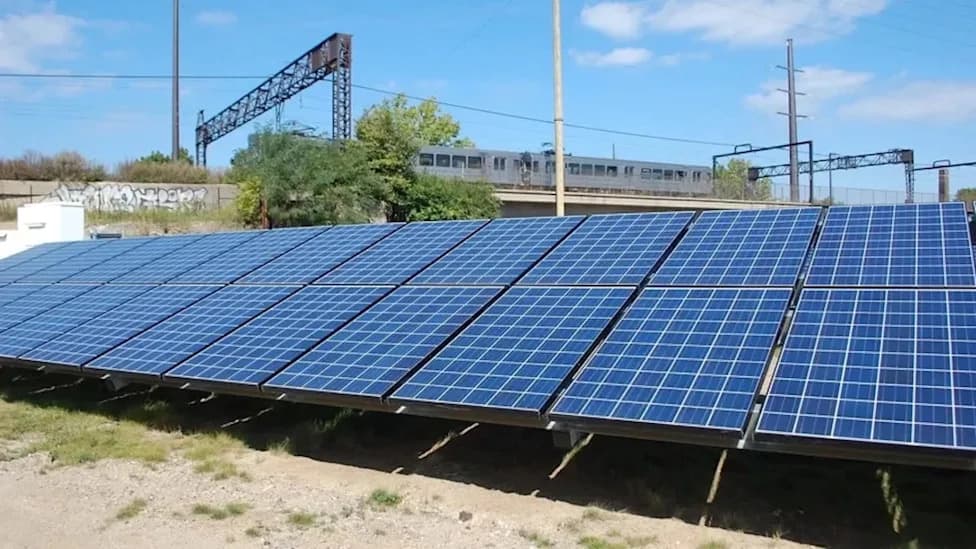
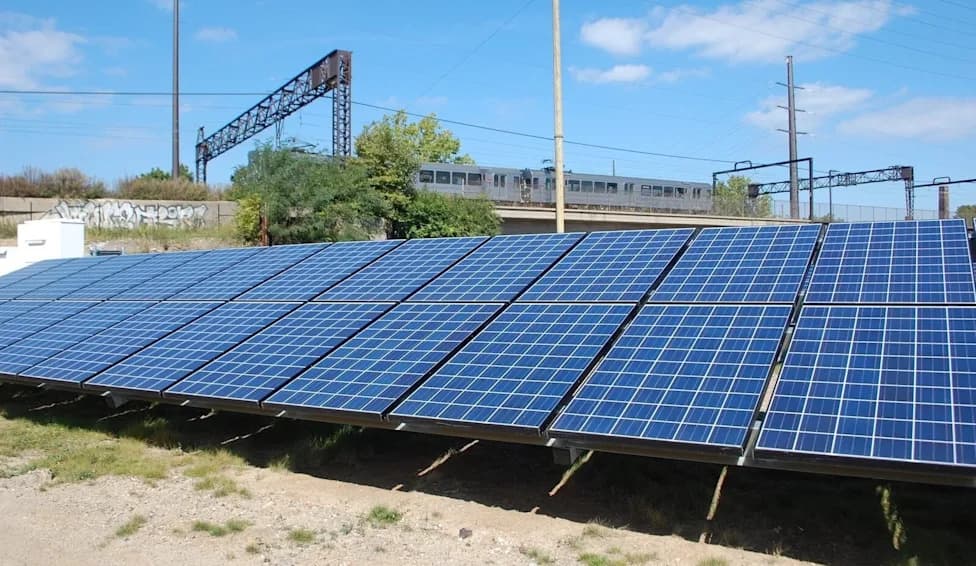
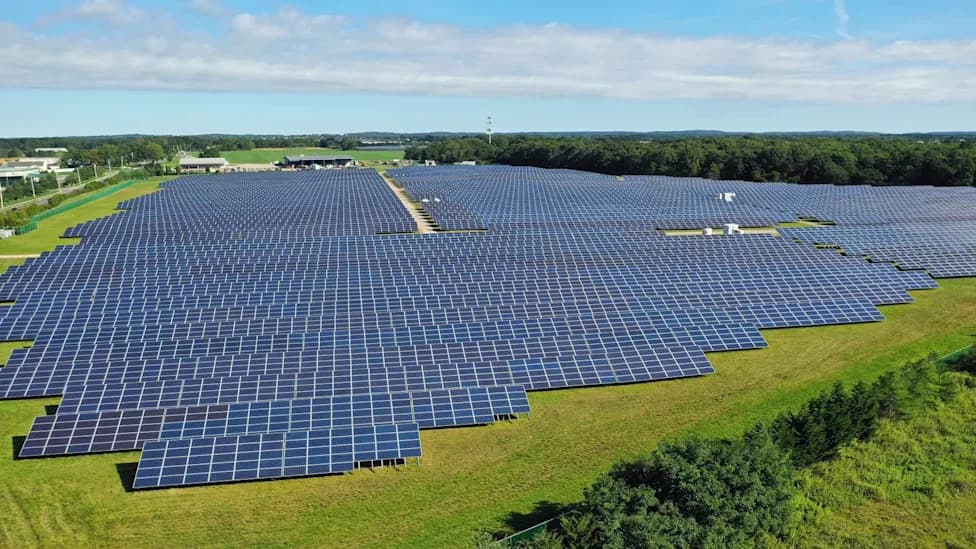
Ultimately, the program delivered only three relatively small solar farms paired with batteries, all developed by Vistra, and no stand-alone battery projects. NRG abandoned its planned stand-alone storage projects. Vistra scaled back its ambitions, reducing total planned solar capacity from 294 MW to 164 MW and installing the minimum required 2 MW of storage at each completed site.
Why Projects Stalled
- Rigid Incentives: The program tied renewable energy credits (RECs) for solar to having 2–10 MW of on-site storage and set a fixed REC price of $30. That price did not adjust for inflation or changing market conditions.
- Rising Costs: Inflation, supply-chain disruptions, higher borrowing costs and other post-2021 market shifts made solar and battery projects more expensive than expected, eroding the economics at $30 per REC.
- Interconnection and Eligibility Limits: Even when existing transmission was available, grid interconnection proved costly and slow. The program also excluded municipal utilities and rural electric cooperatives, narrowing the pool of viable projects.
- Site Contamination: Toxic coal ash on many retired plant sites created additional cleanup obstacles and legal uncertainty — a problem the report says was worsened by the rollback of federal coal-ash cleanup rules and slow state action.
Economic And Community Impacts
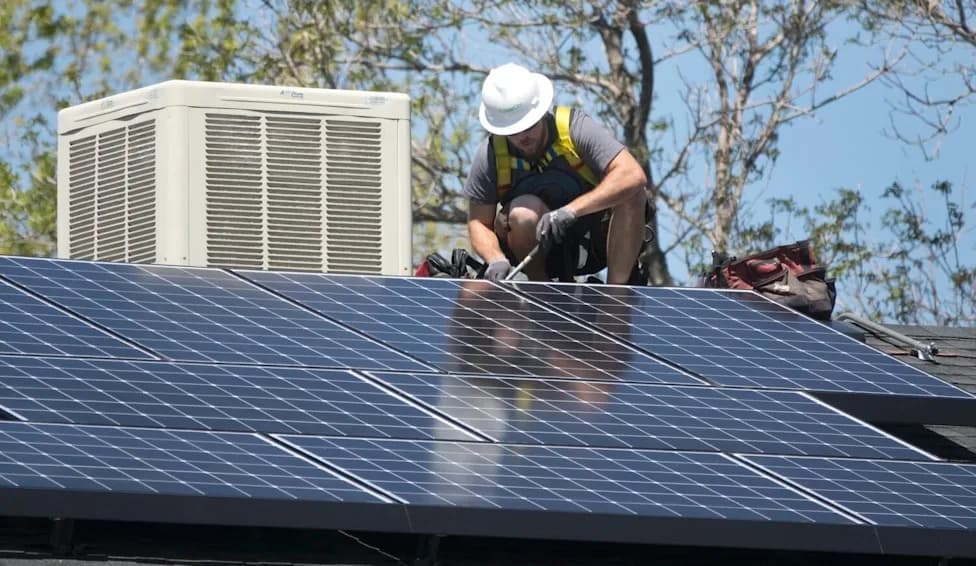
Solar and storage projects typically generate far fewer long-term jobs than operating coal plants. Report authors estimate only a handful of permanent positions per site after construction — often single-digit roles — which cannot fully replace payroll losses. Renewable installations can also produce less property tax revenue: Vistra’s Baldwin solar project is projected to yield roughly $6 million in property taxes over its lifetime, while the Baldwin coal plant generated $3.1 million in tax year 2025 and $4.8 million in 2016 at its peak.
Alternatives And Next Steps
Report authors stress this outcome doesn’t mean coal-to-solar ideas are bad — rather, the program’s design and market shifts made projects unattractive. They recommend more flexible, market-indexed incentives that can adjust for inflation, interest rates and equipment prices. Illinois already offers other pathways that can support redevelopment, including brownfield redevelopment funds and community solar programs aimed at heavily impacted communities.
Last year the state passed an energy law that subsidizes utility-scale storage with indexed credits and set a target of deploying 3 GW of storage by 2030. That program plans a competitive procurement (with developers expected to submit proposals and winners selected in a planned Aug. 26 procurement) and is structured to be more responsive to market conditions than the fixed-price REC approach used in the coal-to-solar initiative.
“The clean energy transition and efforts to ensure a just transition for affected communities are still new territory,” said Amanda Pankau, lead report author. “This isn’t a dead end; there are other approaches to try.”
Lessons
The report’s main takeaway: incentive programs need flexibility and realistic economics. Indexed or market-responsive credits, expanded eligibility for utilities, clearer coal-ash remediation pathways, and streamlined interconnection processes would make coal-site redevelopments more feasible and attractive to developers.
Help us improve.