Actor Michael Sheen investigates claims that historic chemical dumping in Wales — notably polychlorinated biphenyls (PCBs) — has left a dangerous legacy linked to rare cancers among people who grew up near contaminated sites. Whistleblower Douglas Gowan documented 14 concerning locations (12 in Wales) before his death, and local blood tests have found elevated PCB levels in residents and in Sheen himself. Regulators say some sites do not meet legal thresholds for remediation, while campaigners demand more testing, a public inquiry and a Wales-wide cleanup strategy.
Michael Sheen Investigates Wales's Toxic Legacy: PCBs, Whistleblowers and a Fight for Cleanup
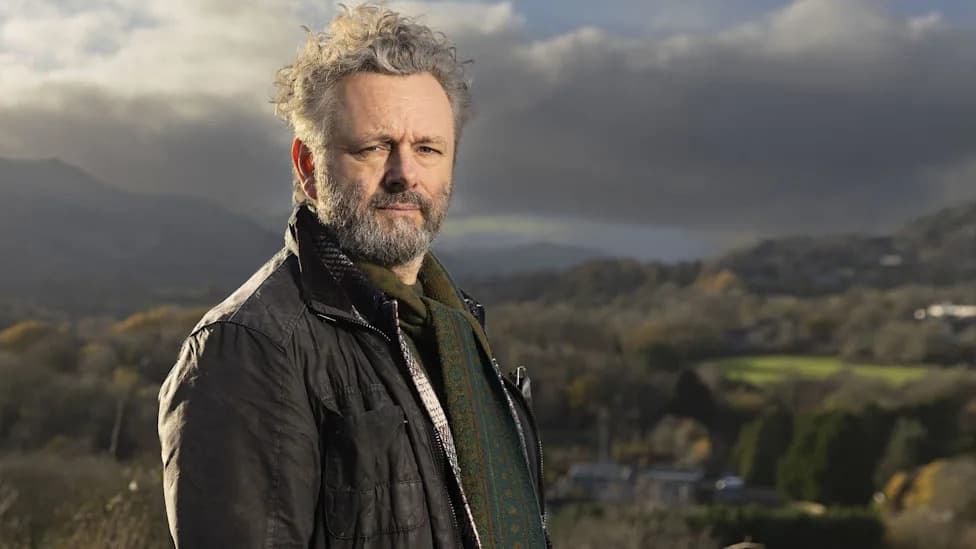
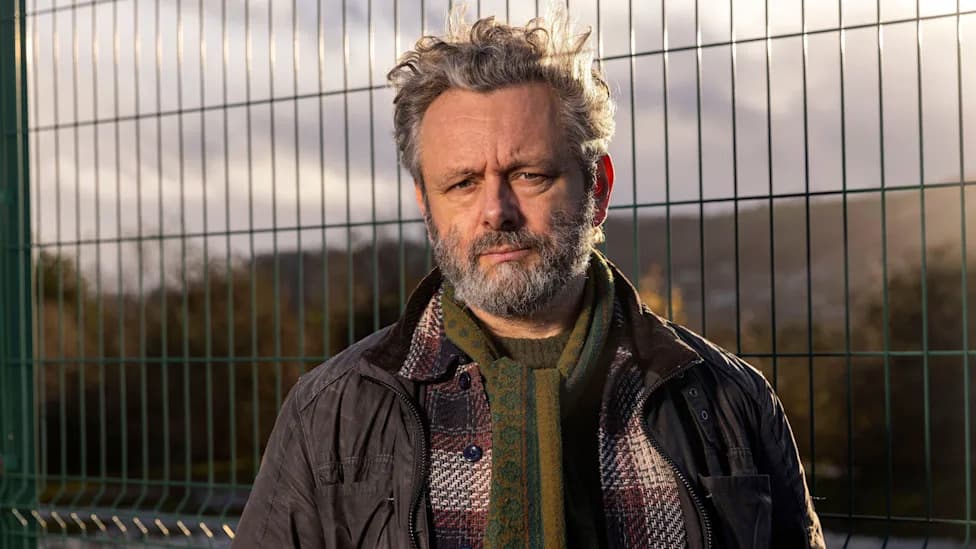
Michael Sheen investigates Wales' toxic legacy in a new BBC iPlayer documentary [BBC/Wall to Wall]
Michael Phillips remembers a childhood in 1980s Wales spent at a local lagoon — firing air rifles at rusty drums that released clouds of coloured dust — unaware those barrels may have contained hazardous industrial chemicals. Decades later Phillips and several childhood friends have been diagnosed with rare cancers they believe could be linked to that exposure.
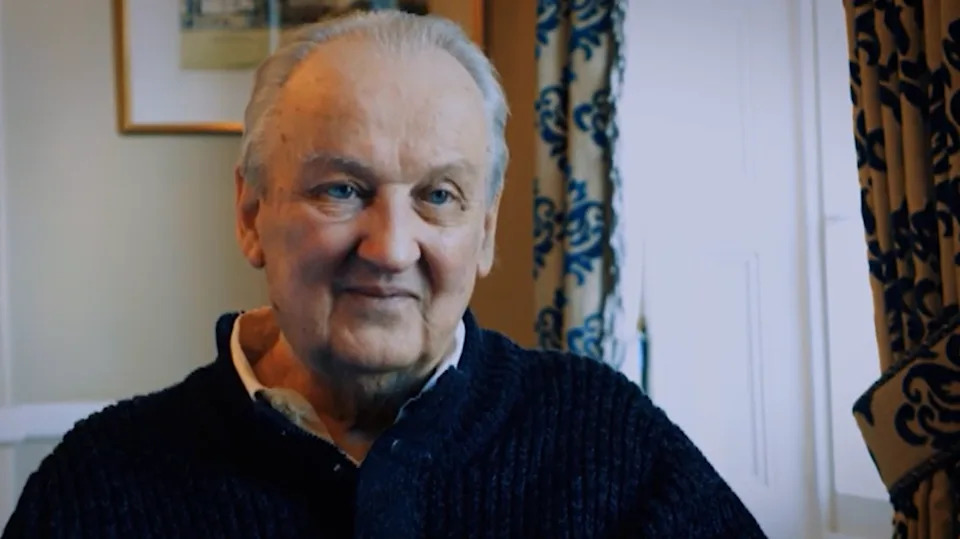
Douglas Gowan spent half a century trying to make people listen to his concerns about chemical contamination in Wales [BBC]
Researcher and whistleblower Douglas Gowan spent much of his life documenting worrying contaminated sites. Before his death he flagged 14 locations (12 in Wales) to authorities and to Michael Sheen, telling the actor that the evidence he had uncovered left him profoundly alarmed.
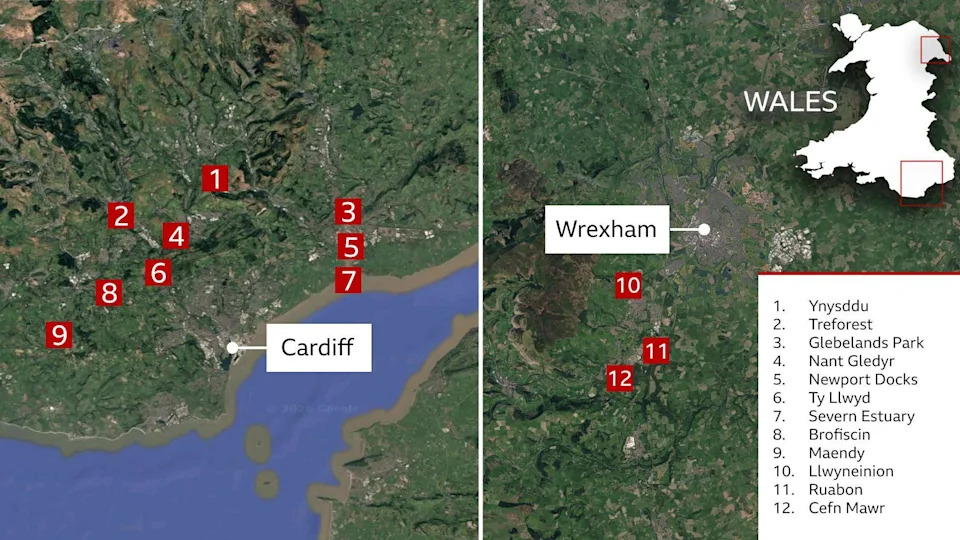
There are 12 locations in Wales which were sites of concern for Douglas Gowan [Google]
What Was Dumped And Why It Matters
Gowan alleged that chemical manufacturer Monsanto dumped “huge amounts of industrial chemicals all around Wales,” including polychlorinated biphenyls (PCBs) — persistent, bioaccumulative compounds once used in everything from electrical equipment to paints and some consumer goods. PCBs are long-lived in the environment, can concentrate up the food chain, and have been linked to a range of health harms. Governments began restricting and banning many PCB uses from the 1970s onwards, but existing contamination can persist for decades.
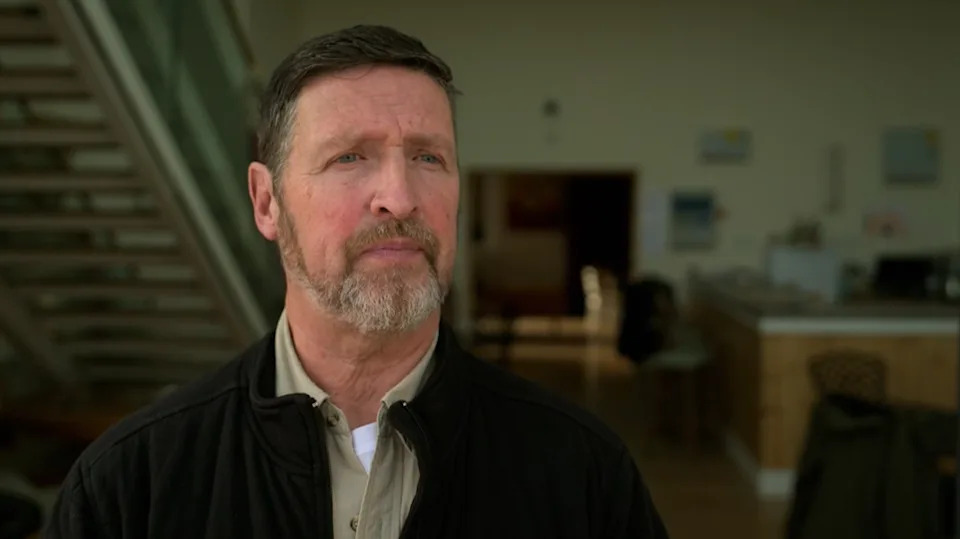
Michael Phillips played at the lagoon near Ruabon as a child and believes it has had a devastating impact on his life [BBC/Wall to Wall Media]
"There was no regulation at the time, they could dump it wherever they wanted to." — Douglas Gowan, as quoted in the documentary
Local Impacts: Llwyneinion And Human Stories
One high-profile site is the Llwyneinion lagoon near Ruabon in Wrexham. A large fire there in the 1980s required around 60 firefighters and took more than 18 hours to bring under control; witnesses reported chemical effects felt up to 20 miles away. Phillips, who watched the blaze as a child, began developing health problems around 2001. He underwent surgery for an unusual cancer and later discovered above-average PCB levels in his blood.
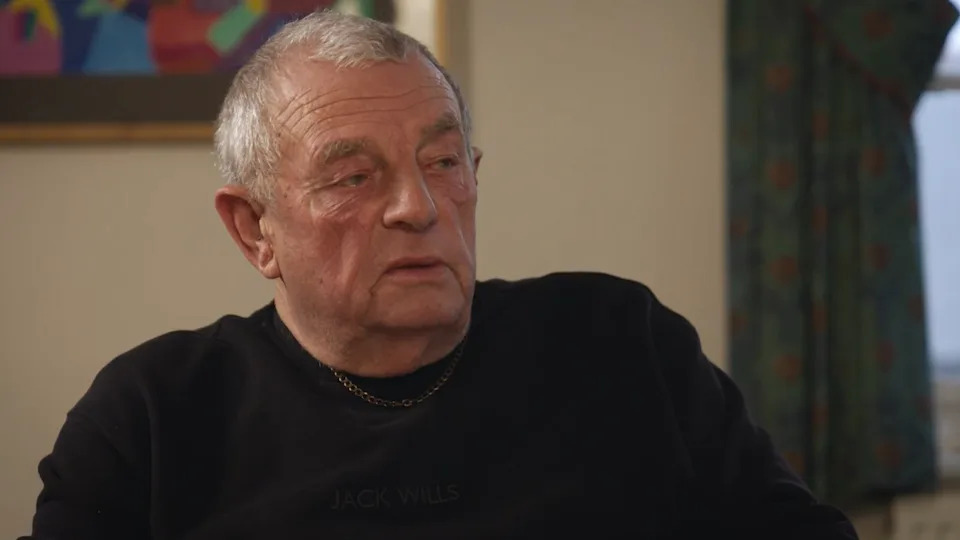
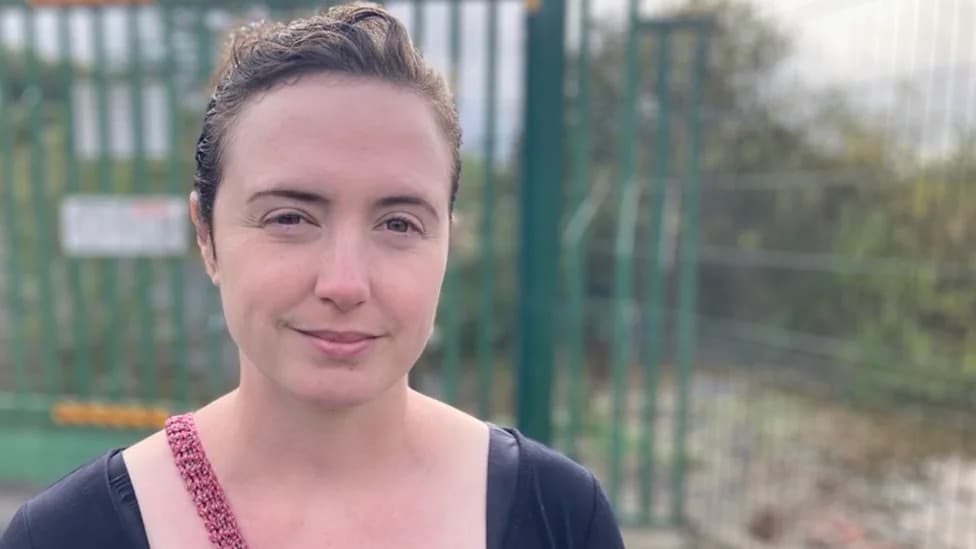
Paul Pemberton has been a councillor for more than 20 years [BBC/Wall to Wall Media]
Phillips described several friends from the same era who developed rare cancers or died: a close friend who died of breast cancer, others who developed brain cancer or lymphatic malignancies. His surgeon told him the pattern was unusually rare, a coincidence the surgeon likened to "winning the lottery" repeatedly.
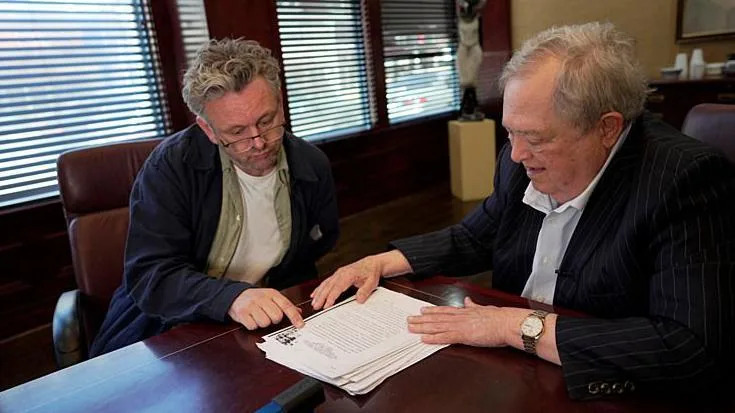
Sheen met one of the US attorneys who helped a town sue Monsanto [BBC/Wall to Wall Media/Aled Jenkins]
Investigations, Tests and Responses
Michael Sheen and his team took blood tests; Sheen’s results reportedly showed 81 PCB congeners, despite him not living near identified dump sites. Eastman Chemical Company, which now carries responsibility for Monsanto’s legacy production in the UK, did not respond to requests for comment from the documentary team or the BBC.
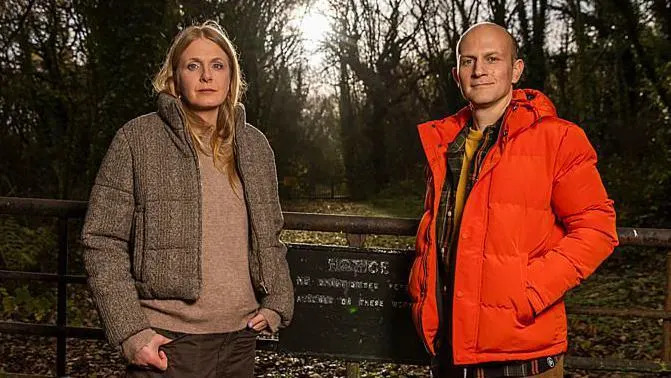
Journalists Dan Ashby and Lucy Taylor received Gowan's folders of documents when he died [BBC/Wall to Wall Media/Stephen Perry]
Natural Resources Wales tested the Llwyneinion site and concluded it did not meet the statutory definition of contaminated land requiring remediation. Wrexham Council has said later risk assessments found contaminants present but did not trigger a legal duty to remediate, while continuing monitoring. Councillors and campaigners argue the costs of full clean-up — which were once estimated to be in the tens of millions of pounds — are prohibitive for local authorities without clear action from responsible companies or additional funding.
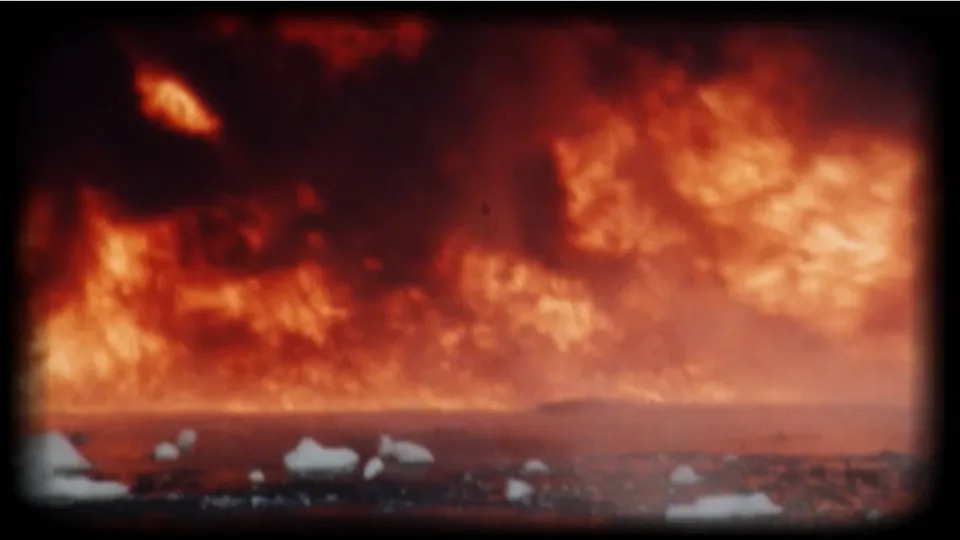
Archive footage shows a blaze at Llwyneinion near Ruabon in Wrexham, where the effects of the chemicals were reportedly felt up to 20 miles away [BBC/Wall to Wall Media]
Corporate Record And Wider Context
Journalists working with the documentary uncovered internal Monsanto documents showing company awareness of PCB toxicity as early as 1949. In the United States, the town of Anniston, Alabama, sued Monsanto over PCB contamination in the 1990s, settling for roughly $300m. Reporters also found company memos from the 1970s noting the global scope of the problem even as production and imports continued elsewhere.
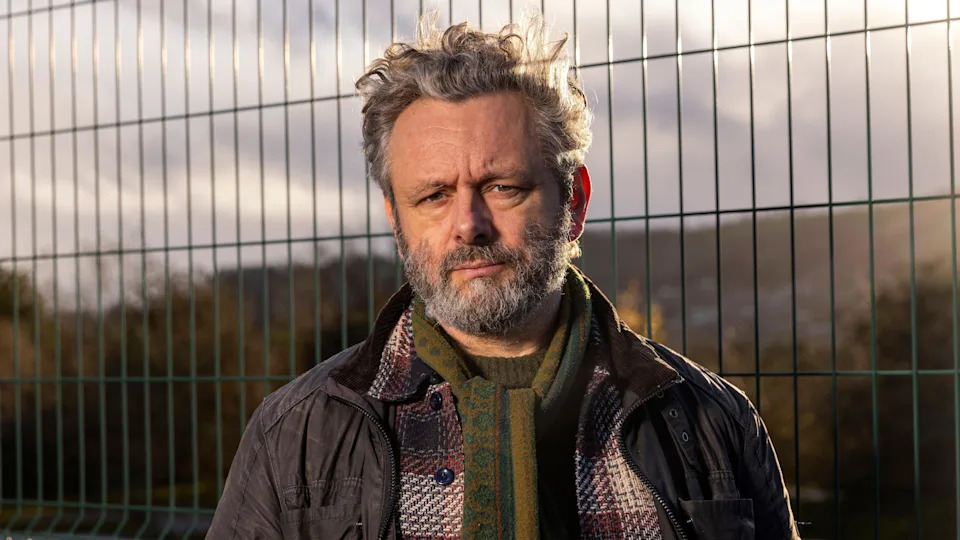
Michael Sheen said he hopes international action is taken as Wales is not the only place that is affected [BBC/Wall to Wall Media/Stephen Perry]
Campaigners and environmental groups, including Friends of the Earth Cymru, have called for a public inquiry into the scale and impact of toxic sites across Wales. They warn that climate change — with more frequent and intense flooding — could remobilise buried contaminants and spread them into agricultural land and waterways.
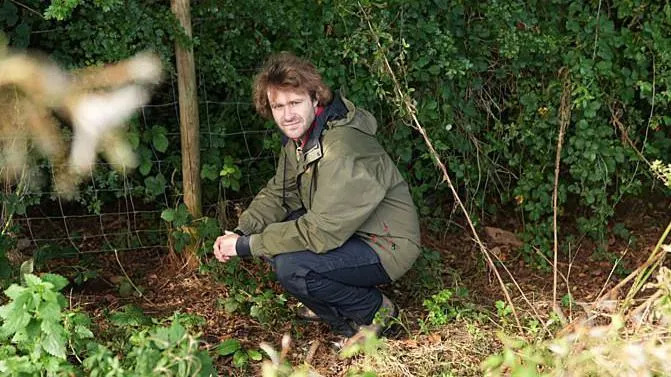
Dr Dave Megson, an environmental chemist, sampled 14 sites, including 12 in Wales [BBC/Wall to Wall Media/Stephen Hart]
Next Steps And Public Response
Sheen and the documentary team have presented findings to the Welsh Parliament and will give evidence to the UK Parliament’s Welsh Affairs Committee as part of an inquiry into alleged "forever chemical" contamination in south Wales. The Welsh Government says addressing contaminated land is a priority and is developing a Wales-wide strategy to restore post-industrial land; a 2015 survey by Natural Resources Wales identified more than 9,000 potential sites for further investigation.
Buried With Michael Sheen is available on BBC Two, BBC One Wales and BBC iPlayer from 17 August at 21:00 BST.
Help us improve.