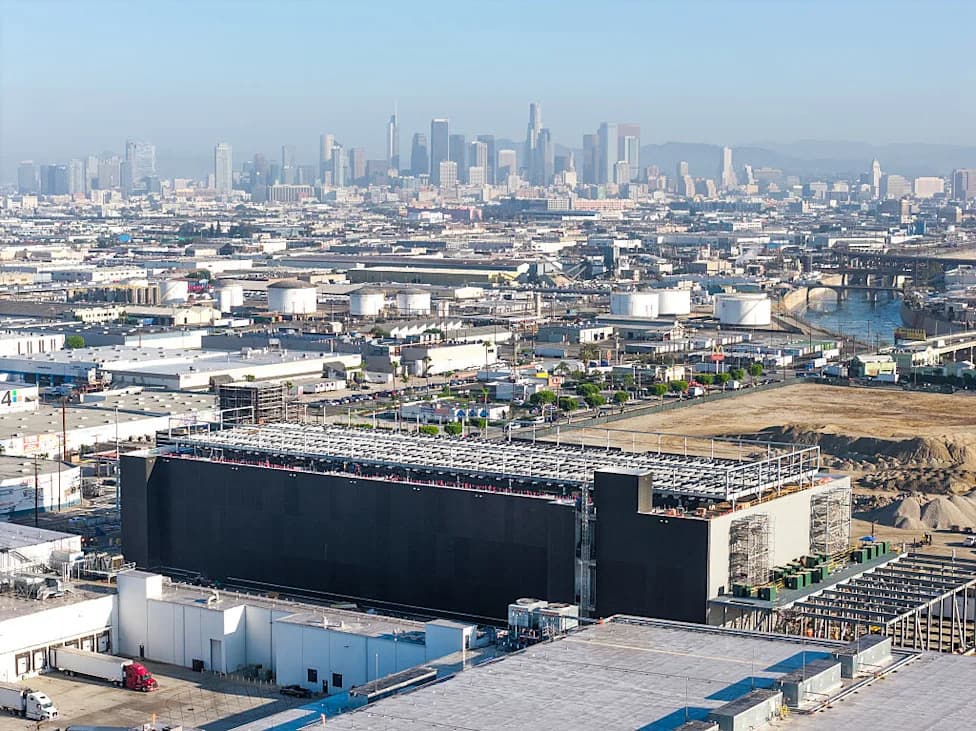
U.S. tech firms are increasingly installing on-site natural-gas power plants to speed deployment of AI data centers, with roughly 97 GW of planned behind-the-meter generation — comparable to Mexico’s total capacity. Under conservative estimates, those facilities could emit over 200 million tonnes of CO2 annually, roughly equal to emissions from 46 million cars, and release hazardous local pollutants. Projects concentrate in states such as Texas, have prompted lawsuits (including by the NAACP), and raise questions about regulation, public-health impacts and long-term grid planning.
AI Boom Drives Surge In Private Gas Power Plants As Tech Firms Build On-Site Generation
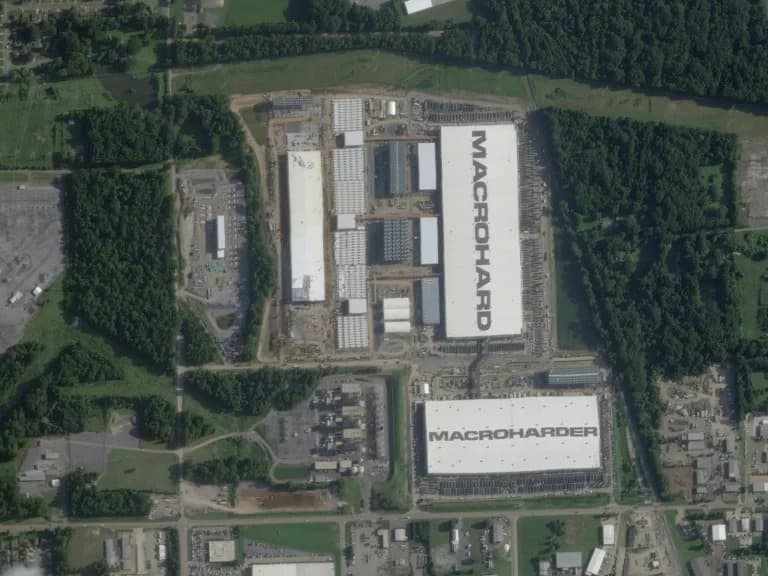
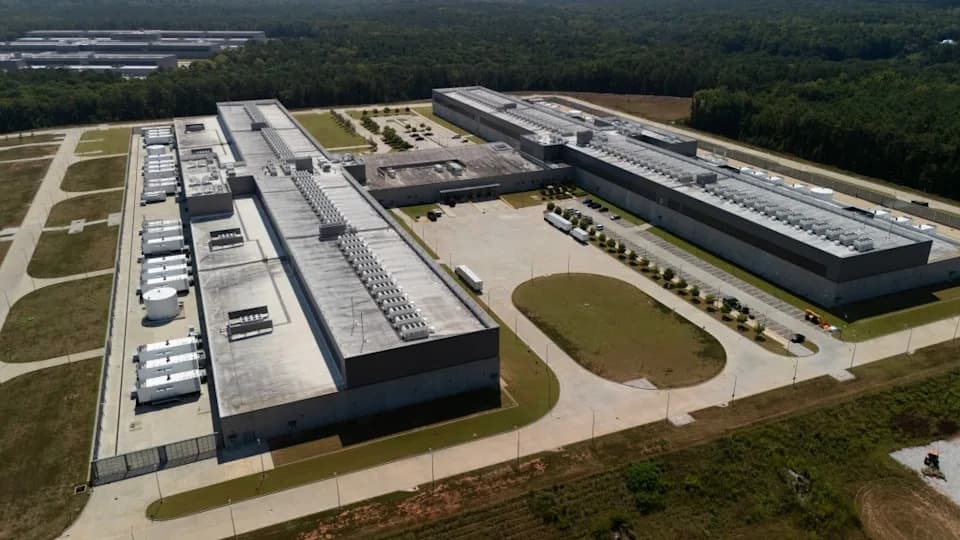
This handout satellite image obtained from Planet Labs on August 7, 2026 and taken on July 14, 2026 shows the xAI Colossus 2 data center in south Memphis, Tennessee (-)
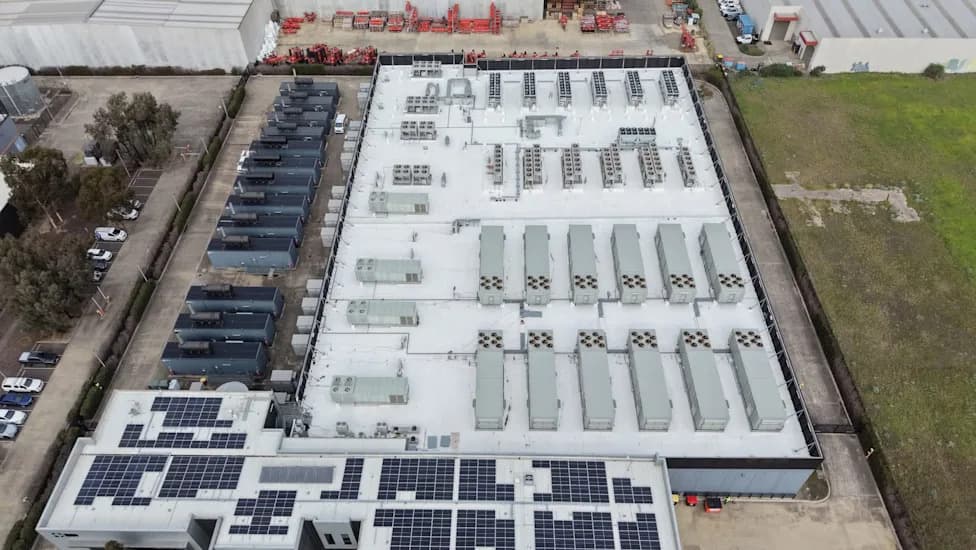
U.S. technology companies racing to deploy the data centers that power the artificial intelligence surge are increasingly installing their own on-site natural-gas power plants. These "behind-the-meter" facilities let operators come online faster and reduce reliance on local utilities — but they also raise major climate, public-health and regulatory concerns.
The Scale Of The Buildout
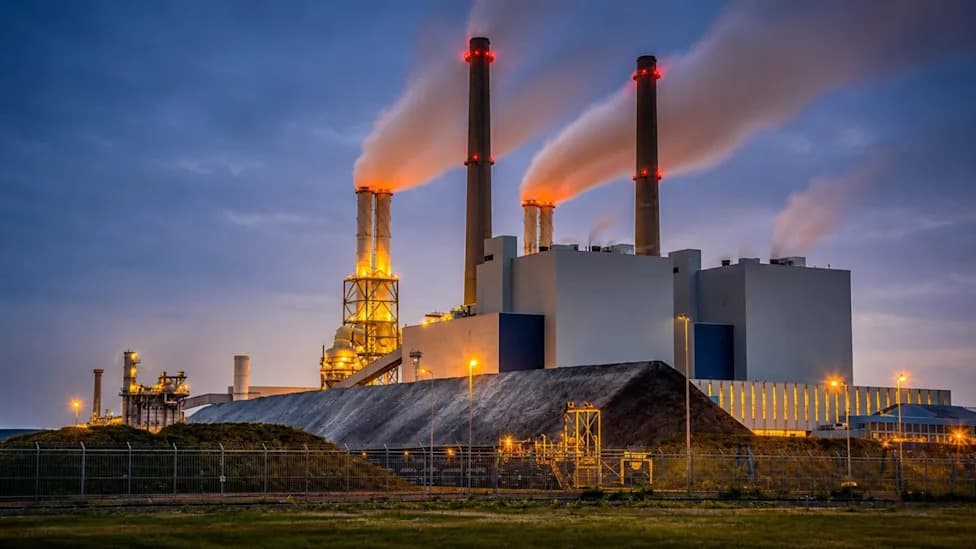
Research by Cleanview, reviewed for this report, identified roughly 60 planned data-center sites that together envision about 97 gigawatts of behind-the-meter generation through the early 2030s — a capacity comparable to the entire installed generation of Mexico. Even with conservative assumptions about turbine efficiency and operating hours, this fleet could emit well over 200 million tonnes of CO2 per year, roughly equivalent to the annual emissions of more than 46 million gasoline-powered cars.
Climate And Health Impacts
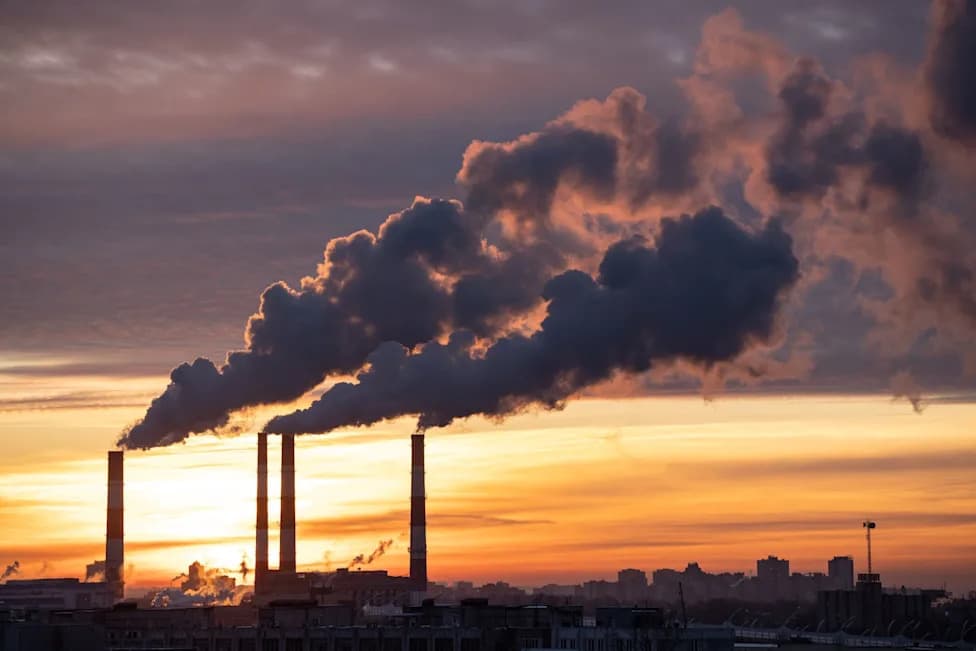
Beyond carbon emissions, behind-the-meter gas plants emit harmful local pollutants: fine particulate matter linked to heart and lung disease, nitrogen oxides that aggravate respiratory conditions, and hazardous air pollutants such as mercury, formaldehyde and benzene. Those contaminants can disproportionately affect nearby communities.
"Powering data centers with behind-the-meter generation that relies heavily on dirty gas or diesel turbines is a surefire way to needlessly pump a variety of hazardous pollutants into local communities' air while worsening climate change," said John Rogers, Associate Director of Energy Analytics at the Union of Concerned Scientists.
"These dirty plants, which are also subject to less public accountability, are unacceptable when record heat and fires are showing us that we need to change course," said Yuqi Zhu, senior policy analyst at the Natural Resources Defense Council.
How Companies Are Powering Data Centers
Initially an outlier — for example when mobile gas turbines were trucked to an xAI facility in Memphis in 2024 — on-site generation is now pursued by major hyperscalers and AI labs. Cleanview’s analysis shows Meta, Microsoft and Oracle among companies pursuing such projects, while AI developers including OpenAI and Anthropic have signed leases for more than 10 GW of behind-the-meter capacity.
Rather than utility-grade equipment, operators increasingly turn to varied options: trailer-mounted generator sets, turbines adapted from aircraft and naval uses, large piston engines similar to vehicle machinery, and refurbished industrial turbines. These choices can reduce procurement time but often increase emissions and local pollution.
Geography, Permits And Legal Pushback
Planned development skews toward Republican-leaning states, with Texas far in the lead: more than 40 GW of announced capacity is concentrated there. A recent high-profile example is a proposed 7.5 GW gas plant in Texas linked to Amazon data centers after analysts traced air-pollution and construction permits and verified site clearing with satellite imagery; Cleanview later confirmed the connection.
Civil-rights and environmental groups have begun to push back. The NAACP has filed suit against xAI, alleging unlawful turbine operation in Mississippi to serve a Memphis data center. Laura Thoms, enforcement director at Earthjustice (co-counsel for the NAACP), warned that an unfavorable ruling could encourage more projects nationwide.
Regulatory signals also matter. The current administration has promoted a voluntary "Ratepayer Protection Pledge" asking signatories not to pass data-center costs to residential customers — a move critics say could inadvertently accelerate private-generation deployments.
Market Trends And What Comes Next
Data from Atlas Public Policy shows announced new fossil-fuel capacity for the grid dipped to a low in 2022 and rebounded in 2023 as AI-driven demand rose. Industry analysts note that announced fossil capacity in the first half of 2026 is already higher than in the previous decade, underscoring the rapid pace of additions tied to data-center growth.
Policymakers face a complex trade-off: supporting rapid digital infrastructure buildout while limiting local pollution and long-term climate damage. Solutions could include stronger permitting oversight, mandates for cleaner on-site fuels or emissions controls, accelerated grid upgrades, and incentives for low-carbon backup power and storage.
Bottom Line
The rapid rise of private, gas-fired power plants to feed AI data centers highlights a tension between speed and sustainability. If most announced projects proceed as currently planned, they could lock in substantial emissions and local air-pollution burdens for years to come — making policy choices and community advocacy critical determinants of the outcome.
Help us improve.