NOAA will not coordinate the 2026 Arctic Report Card, the 21st edition of the peer-reviewed annual assessment of Arctic environmental change. Agency data contributions will remain publicly available, but lead authors must now arrange publication and distribution without NOAA’s logistical support. Observers say the decision is part of a broader pattern of scaling back federal climate programs and public climate information.
NOAA Withdraws Coordination of Arctic Report Card, Leaving 2026 Edition In Flux
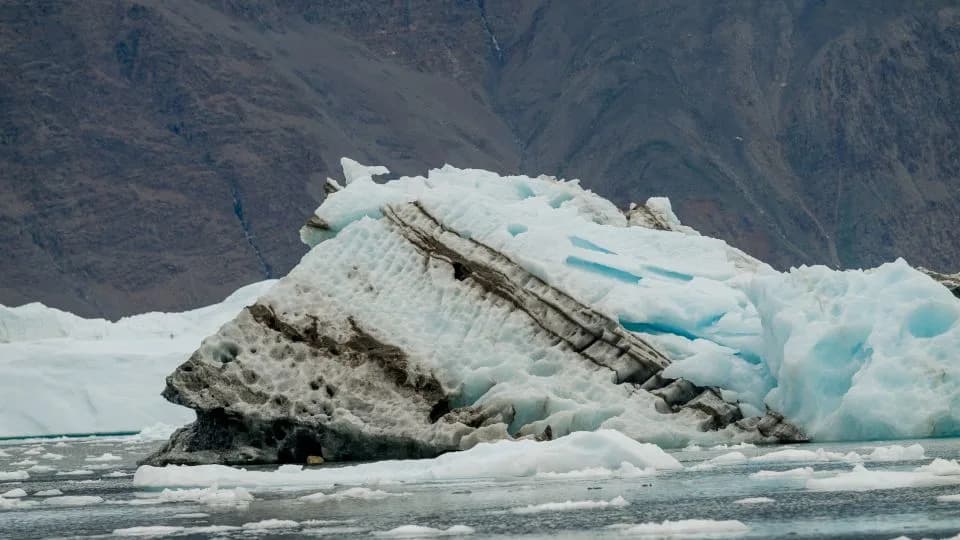
An iceberg in the Arctic on July 14, in the Kangerlussuup Sermia fjord near Uummannaq on the west coast of Greenland. - Wolfgang Kaehler/LightRocket/Getty Images
The Trump administration has told scientists that the National Oceanic and Atmospheric Administration (NOAA) will no longer coordinate the Arctic Report Card, the long-running, peer-reviewed annual assessment of environmental change across the Arctic.
For roughly two decades NOAA has supported the Report Card, including logistical help, hosting, and publication as a NOAA technical report. Last year’s edition was issued without a NOAA news release, and agency officials confirmed this year that "coordination of the 2026 Arctic Report Card will not be facilitated through NOAA."
"Coordination of the 2026 Arctic Report Card will not be facilitated through NOAA. All data historically contributed by NOAA to the product will continue to be collected and will remain publicly available," agency spokesperson Kim Doster told CNN.
What Changed
Sources told reporters that NOAA informed some of the report’s authors on Monday afternoon and offered no explanation for the immediate suspension of agency support. Politico first reported the decision. One NOAA staffer previously served as the Report Card’s coordinating editor and handled much of the online hosting and press rollout logistics; that role will not be provided by NOAA this year.
Why It Matters
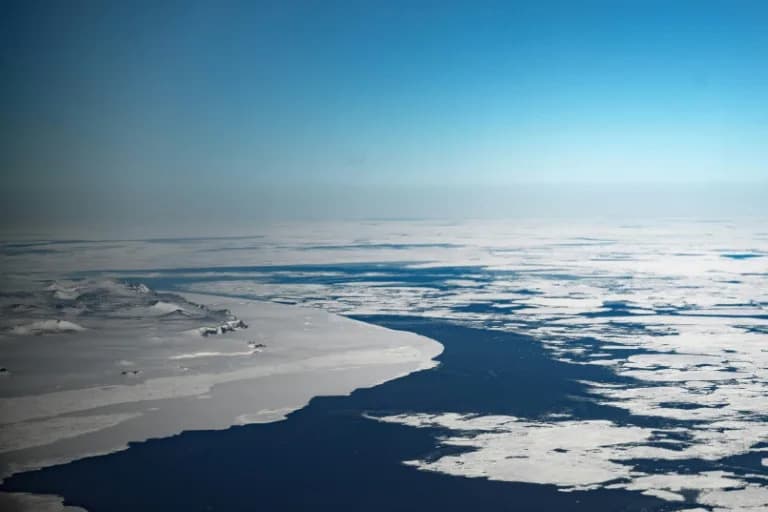
The Arctic Report Card compiles peer-reviewed findings on the state of the Arctic — including sea ice, ecosystems, and the lives of Indigenous and Arctic communities — and is published each December. The region is warming at roughly three times the global average, and the Report Card is widely used by scientists, educators, policymakers and even security organizations such as NATO.
Next Steps
The 21st edition is already in development. With NOAA stepping back, lead authors, chapter contributors and partner institutions must now decide how to complete, publish and distribute the report without NOAA facilitation. NOAA says that data it historically contributed will still be collected and remain publicly accessible.
Broader Context
Critics say the move fits a pattern of the current administration reducing federal climate programs, limiting access to official climate information and reshaping advisory processes. Examples cited include paused updates to climate.gov, the suspension of NOAA’s annual billion-dollar disasters report and the replacement of authors on the Congressionally mandated National Climate Assessment.
Key takeaway: The scientific compilation and underlying data survive, but the loss of NOAA coordination creates uncertainty around dissemination, visibility and the traditional federal imprimatur for the 2026 Arctic Report Card.
Help us improve.