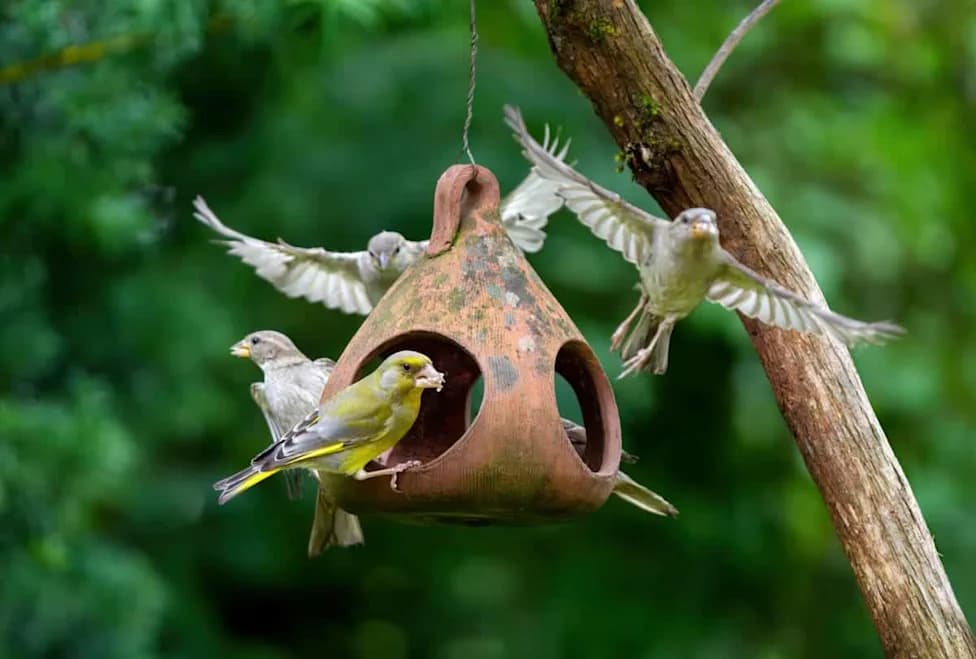
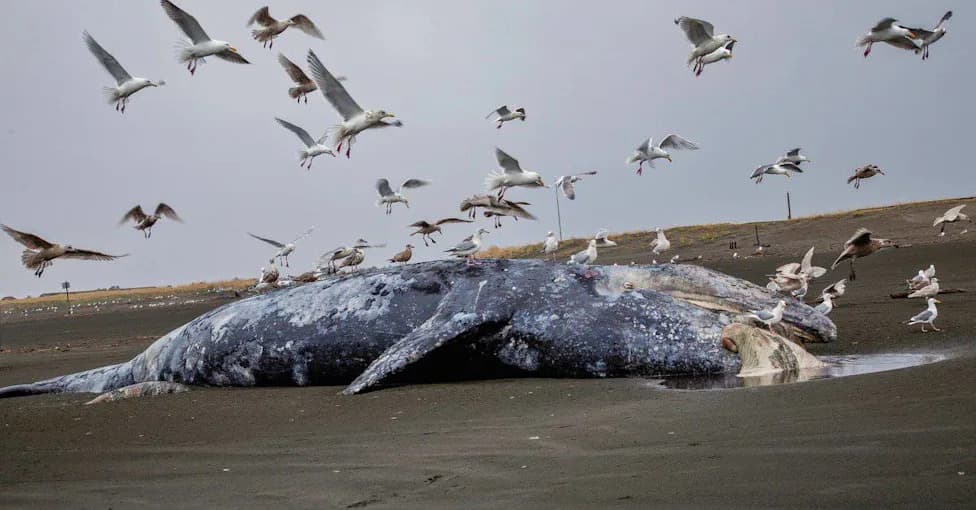
Australia will begin vaccinating vulnerable native birds against H5N1, with an initial focus on captive priority species selected for their vulnerability and conservation importance. Agriculture Minister Julie Collins emphasized vaccination is intended to protect at‑risk species even though it cannot stop the virus spreading in the wild. The programme follows New Zealand's July vaccination effort and comes after recent mass seabird deaths and earlier detections on Heard Island in late 2025.
Australia to Vaccinate Vulnerable Native Birds Against H5N1 as Outbreak Escalates
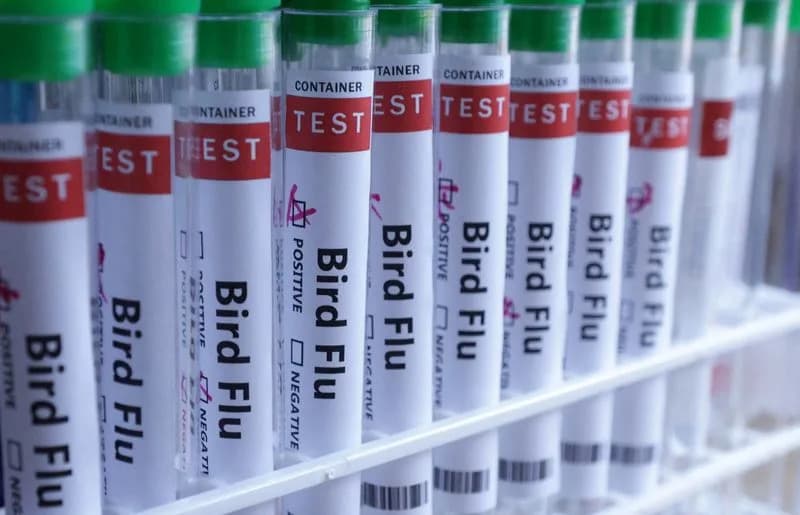
Test tubes are seen labelled "Bird Flu" words in this illustration taken, June 10, 2024. REUTERS/Dado Ruvic/Illustration
Australia will begin vaccinating vulnerable native birds against the H5N1 strain of avian influenza, the federal government announced on Tuesday, as the virus spreads more widely after first being detected in the country in June.
The vaccination programme is scheduled to roll out in the coming days and weeks, with an initial focus on priority species held in captivity, Agriculture Minister Julie Collins told reporters in Canberra.
"The priority species will be identified based on vulnerability to the H5 bird flu and the potential conservation impact," Collins said. "We've been very clear that we cannot stop the H5 bird flu from spreading amongst wild birds, but we can take action to protect the species most at risk, and the vaccination is now part of that response."
The announcement follows New Zealand's July decision to vaccinate 300 core breeding birds from five of its most endangered species as part of a targeted conservation response.
Government data show roughly 45% of Australia's approximately 850 bird species are endemic — found nowhere else on Earth. Authorities reported mass seabird deaths last week, an escalation of an outbreak that began after the virus was detected in migratory seabirds and later spread to native species.
Australia had been the last continent to report bird flu; officials noted the virus was detected in late 2025 on the sub-Antarctic territory of Heard Island. Conservationists and wildlife managers say vaccinating captive and high-risk populations aims to reduce extinction risk while surveillance and management efforts continue for wild bird populations.
What to expect next: officials will identify priority species, begin vaccinations in captivity, and continue monitoring wild populations to inform further conservation measures.
Help us improve.