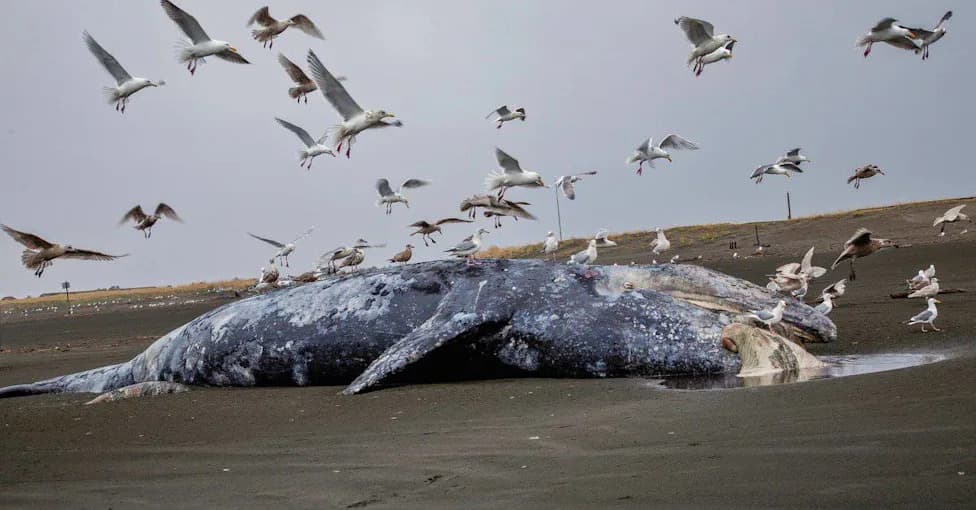
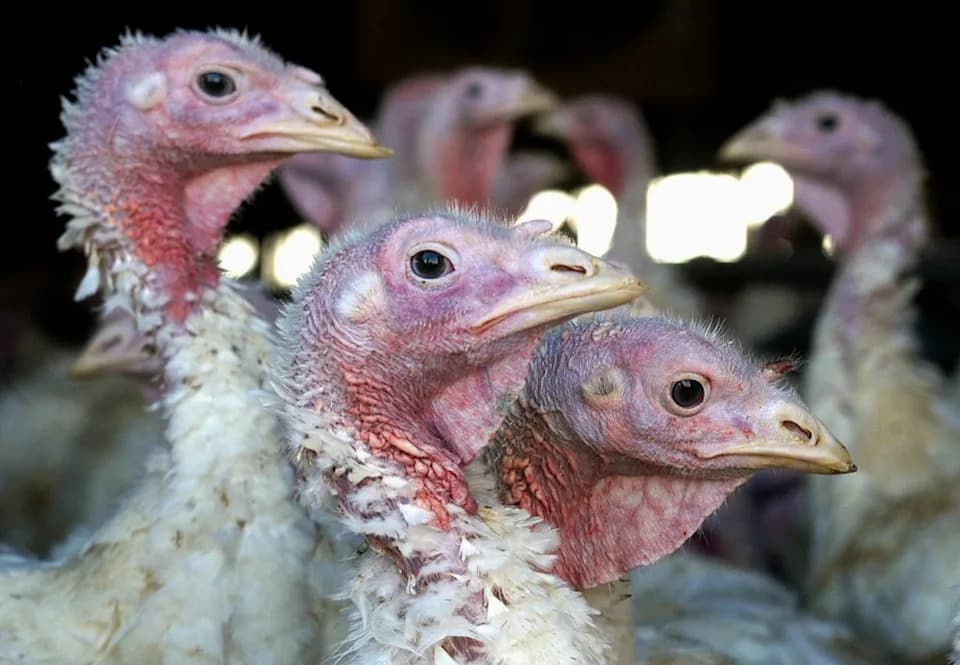
Experts are urging people to stop or sharply reduce backyard bird feeding while the H5N1 avian influenza outbreak continues. Feeders can create "superspreader" gatherings that amplify virus transmission across species. Australia has recorded more than 1,000 crested tern deaths and a long-nosed fur seal infection, demonstrating cross-species risk. If feeding continues, offer less food, never hand-feed, maintain strict hygiene (use domestic bleach), and report sick or dead animals to authorities.
Experts Warn Backyard Bird Feeding May Fuel Spread of Deadly H5N1 Virus
Birds© iStock.com/ROMAOSLO
Feeding wild birds is a beloved backyard pastime, but experts now warn that it can unintentionally help spread the highly pathogenic H5N1 avian influenza. As outbreaks sweep through wild populations, authorities urge people to rethink and, in many cases, pause supplemental feeding to reduce transmission risk.
Why Feeders Can Increase Risk
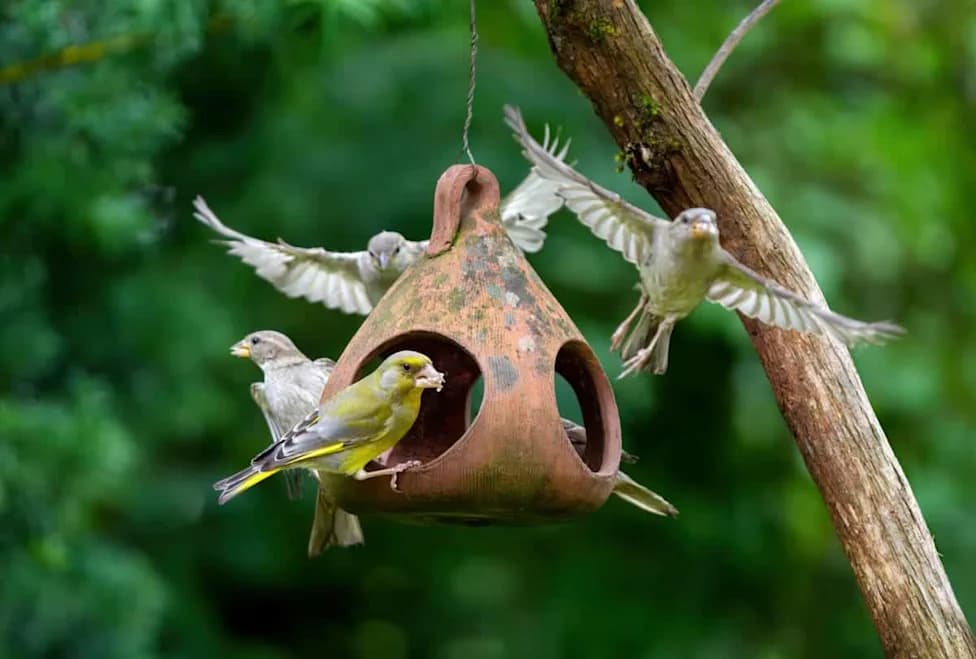
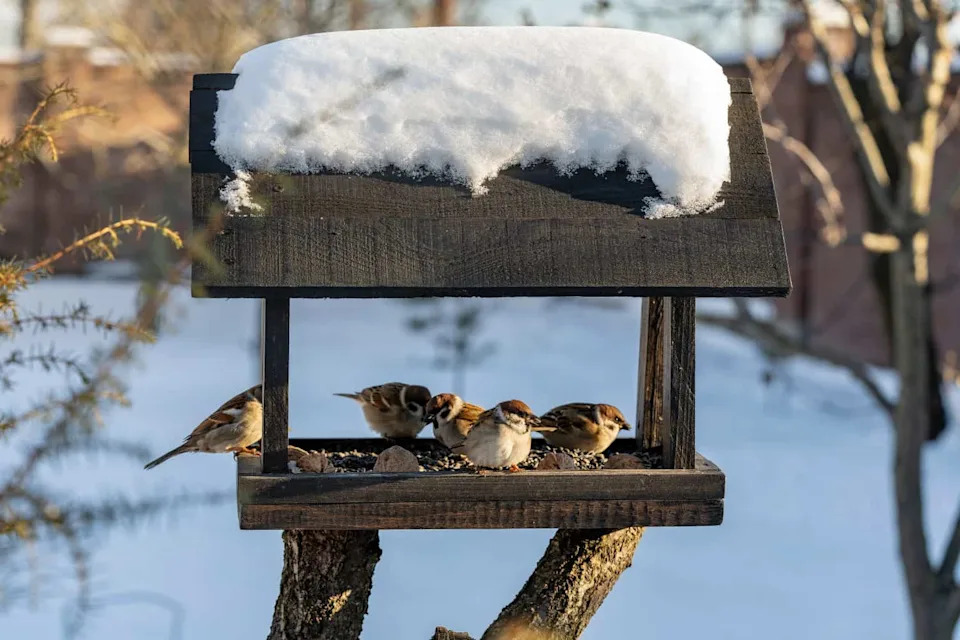
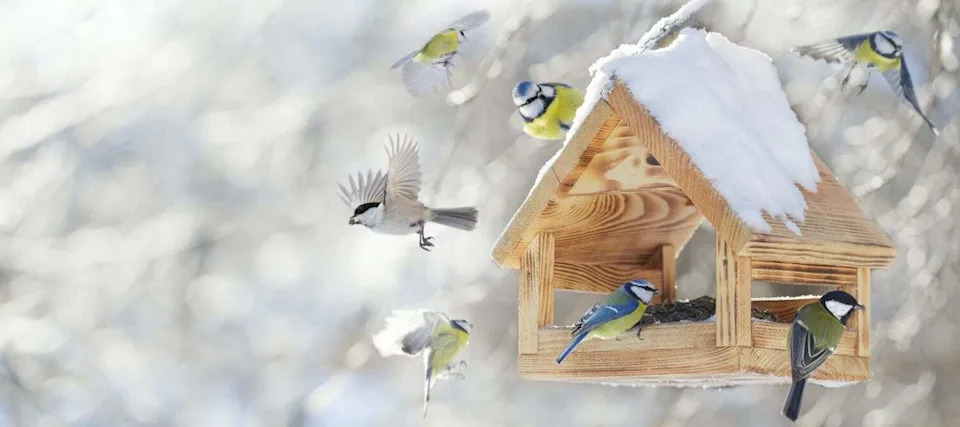
Supplemental food draws birds from different species into concentrated groups that would not normally form in the wild. These dense gatherings can act as "superspreader" events, increasing the chance that H5N1 will move from bird to bird, and potentially to scavengers or other mammals that feed on leftover food or infected carcasses.
©OlegD/Shutterstock.com
Recent Impacts
In recent months, Australia has reported more than 1,000 crested tern deaths linked to H5N1 and the first detection of the virus in a mainland mammal—a long-nosed fur seal. These events highlight the virus's ability to cross species and cause substantial wildlife losses.
Who Is At Risk?
- Wild Birds: Many species are highly susceptible to H5N1 and can die in large numbers during outbreaks.
- Scavengers and Mammals: Animals such as crows, foxes and possums can be exposed by feeding on infected carcasses.
- Humans in Close Contact: Wildlife carers and veterinarians with close exposure have reported mild cases in some instances; transmission to humans is rare but possible.
- Endangered Species: Rare birds like the orange-bellied parrot face severe risk—single outbreaks could push threatened populations closer to extinction.
Practical Advice From Experts
Stop or Reduce Feeding: The clearest recommendation is to halt backyard feeding while outbreaks are active. If you choose to continue, substantially reduce the food offered to avoid large congregations.
©Nitr/Shutterstock.com
Never Hand-Feed: Do not hand-feed wild birds—close contact increases risk for both animals and people.
Maintain Hygiene: Clean feeders and related equipment regularly using a domestic bleach solution or another disinfectant recommended by local authorities. If regular disinfection isn’t practical, suspend feeding until the risk subsides.
Do Not Touch Sick Or Dead Animals: If you find a sick or dead bird or marine mammal, avoid direct contact. Instead, note the location, take photos from a safe distance, keep pets away, and report the sighting to local authorities. In Australia, report to the Emergency Animal Disease Hotline: 1800 675 888.
"Small changes in our backyard habits can help protect local flocks, endangered species and the broader ecosystem from a rapidly spreading threat," ecologists say.
Giving up or reducing feeder use may be difficult for many people who enjoy daily visits from garden birds. However, temporary changes in feeding behavior are a practical way to lower the risk of large-scale wildlife mortality during an active H5N1 outbreak.
Help us improve.