A multi-center study of 1,154 hospitalized COVID-19 patients analyzed over 200,000 samples and found reactivation of 11 dormant viruses within 40 days of admission. Reactivations included EBV, CMV, HSV-1 and Anelloviridae; anellovirus reactivation was associated with long-term disability and long COVID. The study suggests EBV and CMV may reactivate in response to inflammation rather than immune suppression, but it shows association not causation and is limited to severe hospitalized cases. Further research is needed to clarify mechanisms and clinical implications.
Severe COVID May Reactivate Dormant Viruses — Study Links Anelloviridae Reactivation To Long COVID
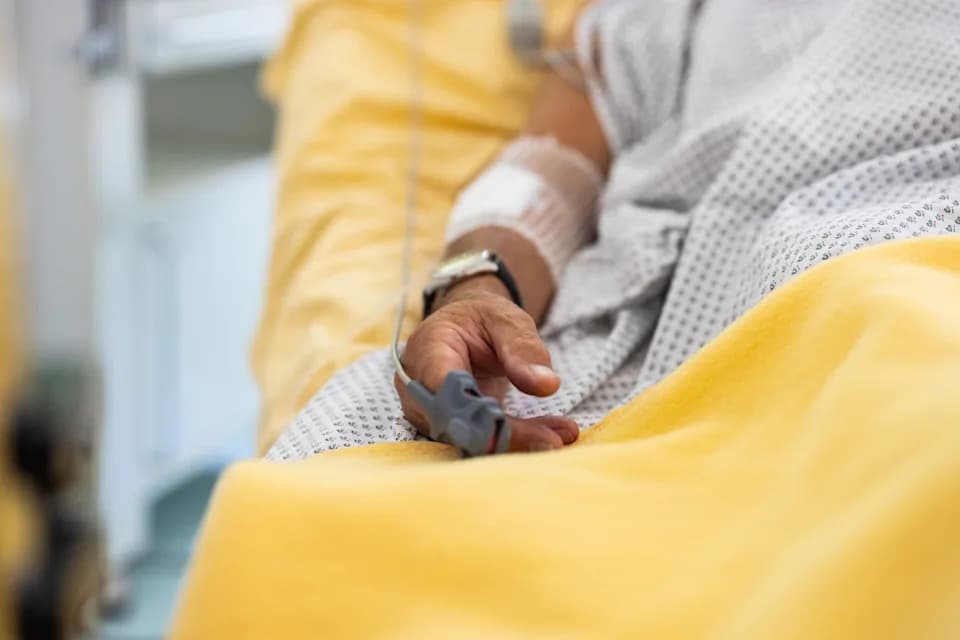
Luis Alvarez/STOCK PHOTO/Getty Images - PHOTO: Stock photo of a patient in the hospital.
A large multi-center study suggests that severe COVID-19 can trigger the reactivation of several viruses that normally lie dormant in the body after prior infections. Researchers tracked 1,154 patients hospitalized with COVID-19 and analyzed more than 200,000 biological samples collected over the course of a year.
Key Findings
The team, led by investigators at Boston Children's Hospital and collaborators from more than 20 biomedical hospitals across the U.S. and Ontario, Canada, reported that 11 different dormant viruses reactivated within the first 40 days after hospital admission for SARS-CoV-2 infection. The findings are published in the journal Nature.
- Reactivated Viruses: Multiple herpesviruses — including Epstein-Barr virus (EBV), cytomegalovirus (CMV), and herpes simplex virus-1 (HSV-1) — as well as members of the Anelloviridae family.
- Anelloviridae Association: Reactivation of Anelloviridae, a family of viruses carried by most adults and not previously linked to specific disease, was associated with long-term physical disability and with long COVID (symptoms persisting ≥4 weeks).
- Inflammation Link: EBV and CMV reactivation appeared to be tied to inflammatory processes rather than to simple immune suppression, indicating a possible inflammation-driven mechanism for viral reactivation during severe illness.
What The Researchers Say
“It was not previously known to this degree of detail and scale how viral reactivation ... might associate with COVID severity and outcome,” said Dr. Ofer Levy, co-author and director of the Precision Vaccines Program at Boston Children's Hospital.
Dr. William Schaffner, a contributor to the study, cautioned that the authors do not attribute disease causation to the reactivated viruses and that the findings raise many questions requiring further research.
Limitations And Implications
Importantly, the study demonstrates associations rather than causation. Because the cohort included only hospitalized patients with severe COVID-19, results may not apply to people with mild or moderate infections. The authors note that additional studies are needed to determine whether viral reactivation contributes directly to long COVID or is a marker of severe illness.
If confirmed by further research, the findings could help scientists better understand long COVID and inform the development of diagnostic tests or targeted treatments. The authors also emphasize continued importance of vaccinating vulnerable groups to reduce risk of severe outcomes.
Bottom line: Severe COVID-19 is linked to reactivation of multiple dormant viruses in hospitalized patients; some reactivations — notably Anelloviridae — correlate with long-term disability and long COVID, but causality remains unproven and more research is required.
Help us improve.