Australia's Aug. 11 census introduced optional questions on sexual orientation and gender identity (for respondents whose current identity differs from their registered sex), available to household members aged 16 and older. The Labor government initially shelved the items in 2024 to avoid "divisive" debate but reversed that decision after public and internal criticism. The ABS said the questions were made voluntary following public consultations and reported more than 5 million forms returned by Tuesday morning, with nearly 11 million expected in total.
Australia's Census Adds Optional Gender Identity and Sexual Orientation Questions After Government Reversal
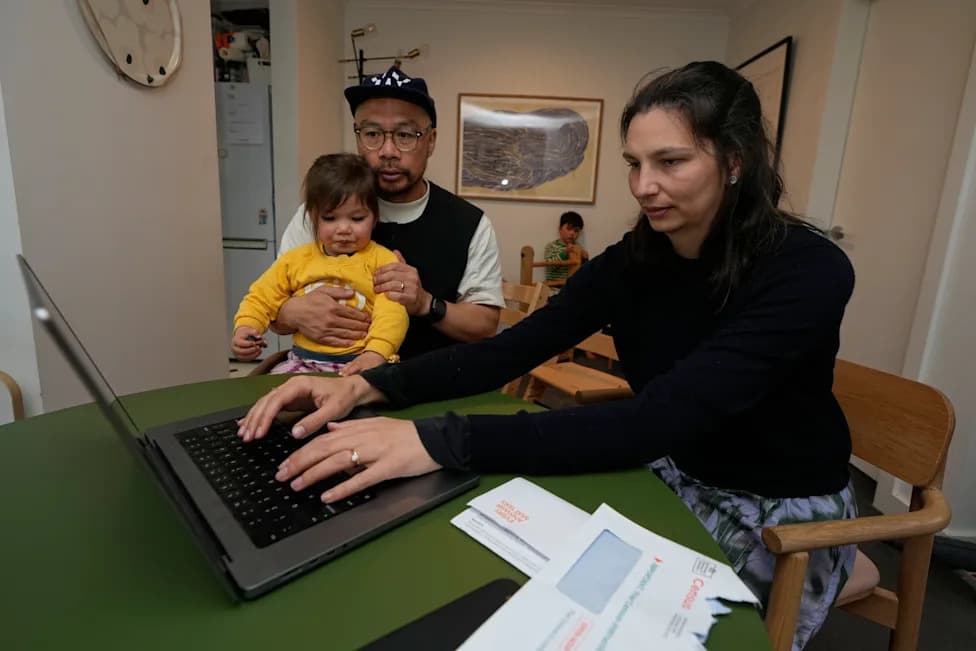
Alex Lam, right, logs onto the census website as her husband Sam, second left, holds their daughter Elodie while their son Tobi plays behind them, in Sydney, Sunday, Aug. 9, 2026. (AP Photo/Rick Rycroft)(AP Photo/Rick Rycroft)
Australians were able to disclose their sexual orientation and whether they identify with a gender different from the one recorded at birth for the first time in the latest five-year census, held Tuesday, Aug. 11. The new items are voluntary and available to household members aged 16 and over.
What’s New
The 66-question count includes two optional items: one on sexual orientation and one on the gender a person currently identifies with when it differs from the sex registered at birth. Sexual orientation response options include: straight, gay or lesbian, bisexual, don’t know, prefer not to answer, or a write-in response. The gender-identity item offers: man, woman, nonbinary, prefer not to answer, or another write-in option.
Why It Was Controversial
The Labor government had initially shelved the questions in August 2024, saying it did not want to "open up divisive debates" and wanted to maintain social cohesion. After criticism from LGBTQ+ advocates and some Labor MPs, the government reversed course and reinstated both items ahead of the census. Prime Minister Anthony Albanese publicly confirmed the inclusion following the backlash.
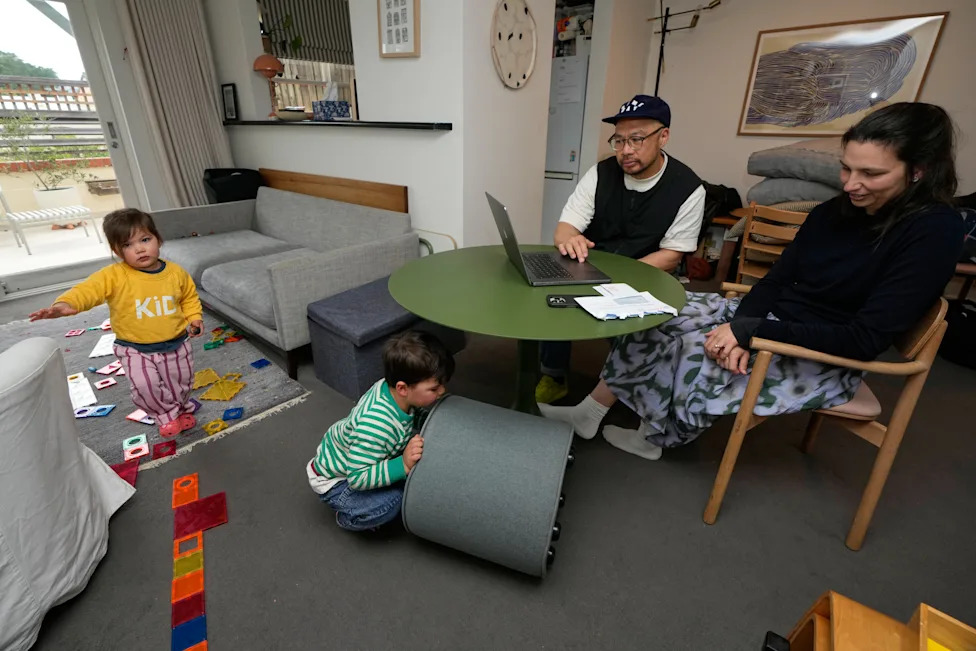
Alex, right, and Sam Lam log onto the census website in Sydney, Sunday, Aug. 9, 2026, as their 2 toddlers, Tobi and Elodie, left, play. (AP Photo/Rick Rycroft)(AP Photo/Rick Rycroft)
Official Rationale
ABS Chief Statistician David Gruen said public consultations revealed a "substantial level of interest" in collecting information on gender and sexual orientation. To respect differing preferences, the ABS made both questions optional: important to some respondents and private to others.
Context And Reactions
Australian National University demographer Liz Allen noted that Australia had lagged behind several comparable countries—Britain (2021), New Zealand (2023) and Canada (recently)—that already include similar questions. Allen also argued the census could go further by asking about intersex status, a category describing people born with biological sex characteristics that do not fit typical male or female definitions.
Participation And Logistics
The ABS asked Australians to return their forms as soon as they received instructions if they already knew where they would be on census night. The bureau expects about 85% of responses to be submitted online, up from almost 80% in 2021. By Tuesday morning the ABS reported more than 5 million forms submitted; it expects nearly 11 million in total. Paper forms remain available on request, and field staff assist people experiencing homelessness and those in remote areas. Failure to comply with an official direction to complete the census can lead to fines of up to 364 Australian dollars (about $257) per day.
"For a proportion of the population … collecting this information is very important. But for other people, it's information that they simply don't want to share," — David Gruen, ABS Chief Statistician.
The inclusion of these items is intended to improve the quality of social and demographic data available to policymakers, service providers and researchers while respecting respondent choice and privacy.
Help us improve.