Extreme weather — heat waves, storms, floods and wildfires — not only damage infrastructure but also disrupt everyday social life by cancelling events, limiting travel and cutting communications. These disruptions reduce informal interactions that support mental health, emergency response and community resilience, and they disproportionately affect older adults and rural residents. Investing in community hubs (libraries, centers, resilience hubs), backup power and targeted outreach can help restore connections and improve preparedness. Strengthening social infrastructure is a critical, and often overlooked, part of climate resilience.
How Climate Change Is Deepening Loneliness — And What Communities Can Do
How Climate Change Could Be Making Us Lonelier
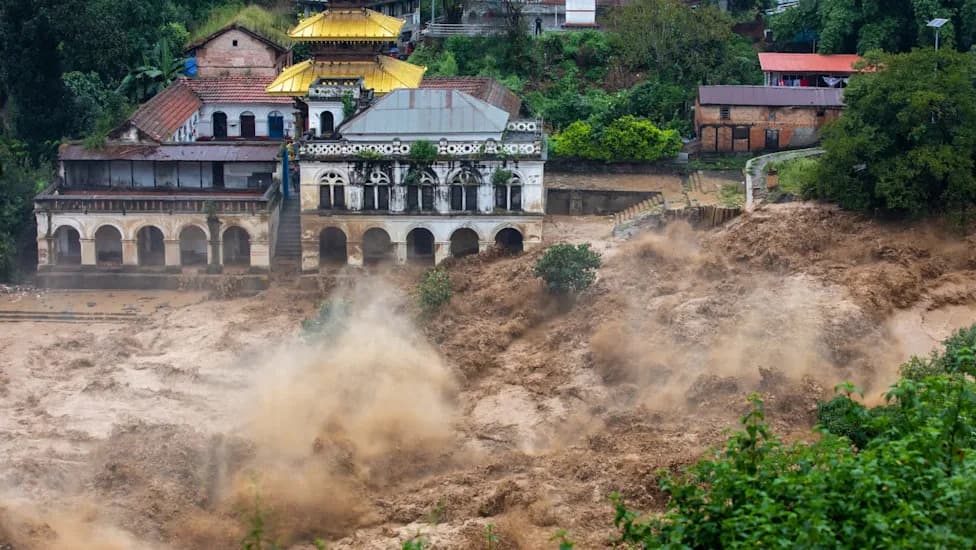
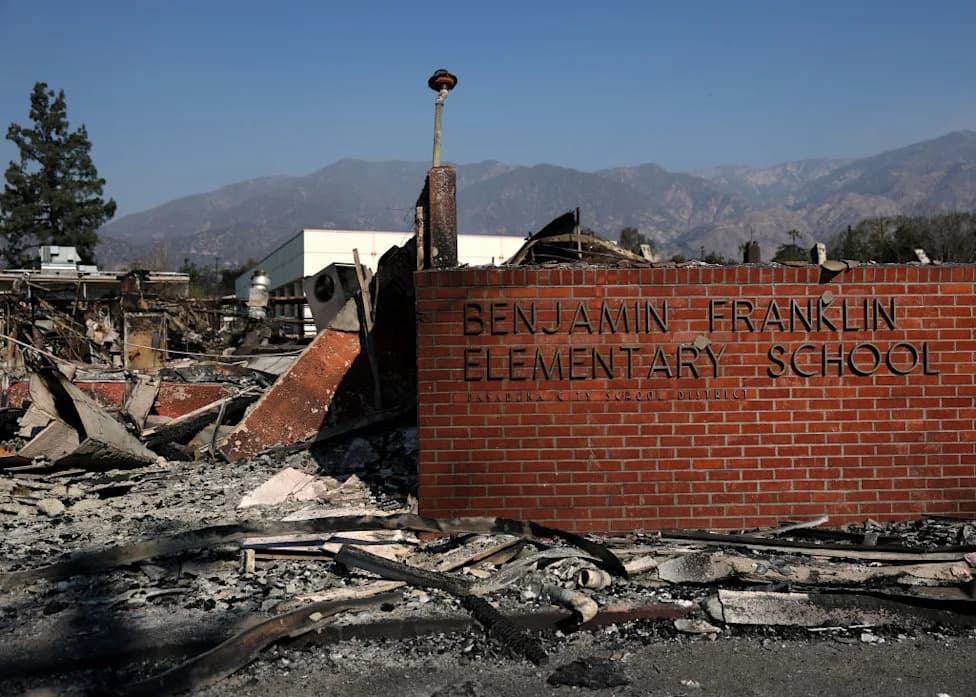
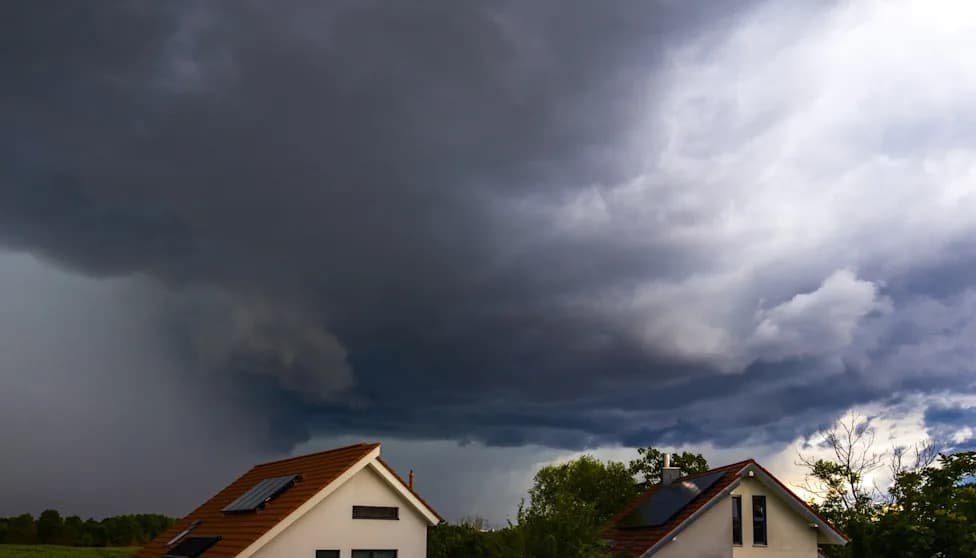
Severe storms, heat waves and wildfires do more than damage infrastructure: they interrupt the everyday social rhythms that keep communities connected. Cancelled festivals, closed events, unsafe roads and prolonged power outages all reduce the informal interactions that support mental health, emergency response and community resilience.
How Extreme Weather Interrupts Social Life
As climate-driven events grow in frequency and intensity, they do more than reshape landscapes — they reshape how people live together. Heat waves push people indoors; storms and floods make travel unsafe; and wildfires force evacuations. These interruptions erode the routine gatherings and chance encounters that build trust and belonging.
Power Outages and Communication Breakdowns
Severe weather often triggers power failures that can last days or even weeks. When electricity goes out, so do internet and cellular services for many households, cutting off texting, calls and social media precisely when communication is most critical. In rural places that rely on Wi‑Fi for cell service, losing power can mean losing almost all lines of connection.
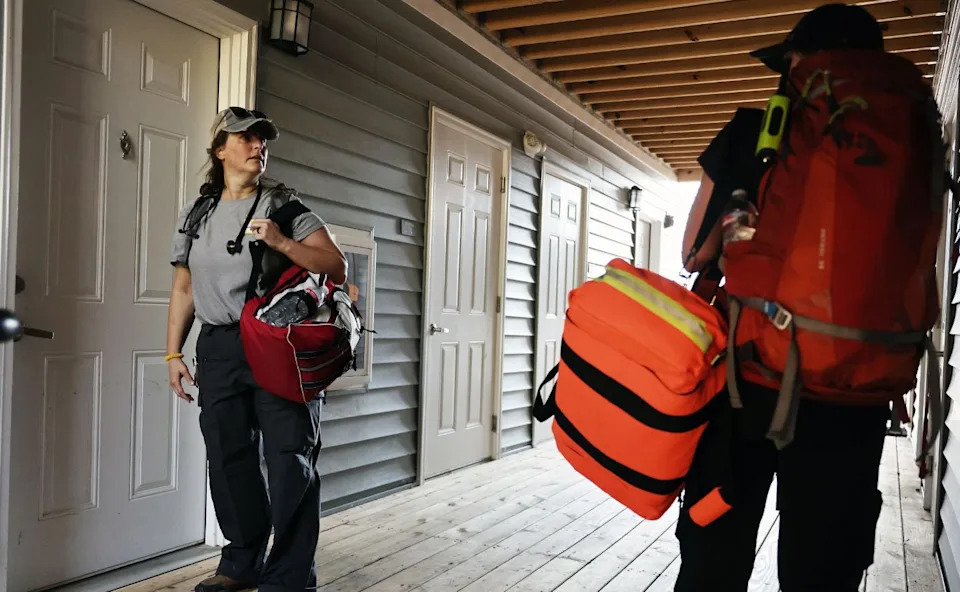
Healthcare workers check in on residents of Swannanoa, N.C., after Hurricane Helene caused devastating flooding in October 2024. (Getty Images)
"We're so isolated. We do not have any cellphone service other than through Wi‑Fi. So when the power's out, we have no cellphone service… without your phone, you really lose all your connections," a 74‑year‑old rural resident told the research team.
Loss Of Places And Traditions
Climate impacts also damage or erase the places and rituals that anchor community life. Flooding in Cherry Valley, New York, after Hurricane Irene and Tropical Storm Lee (2011) emptied a local reservoir that had long been a shared gathering spot. In rural Appalachia, drought and heat have reduced water recreation, damaged forests, and diminished harvests that support festivals and intergenerational traditions.
Compounding, Cascading Effects
Often, disruptions overlap: a heat wave with power outages during a storm, or flooding after wildfire‑cleared slopes saturate. These cascading hazards limit mobility and options for social engagement, and repeated events gradually weaken relationships and community cohesion.
Who Is Most At Risk?
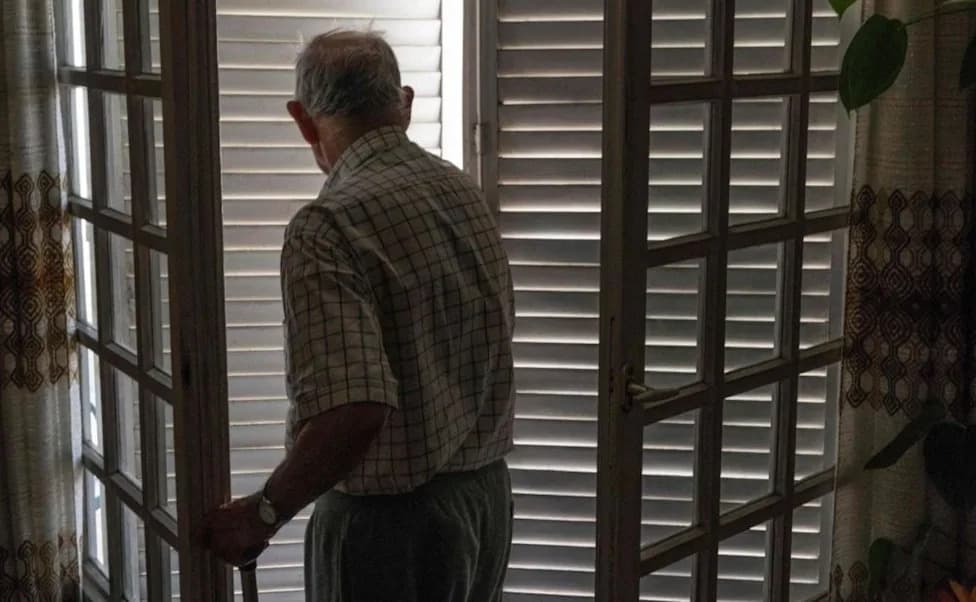
People already socially isolated — older adults, residents of remote rural areas, and households without reliable transportation or internet — are most vulnerable. Climate impacts can push these groups further into solitude, increasing health risks and reducing access to aid when disasters strike.
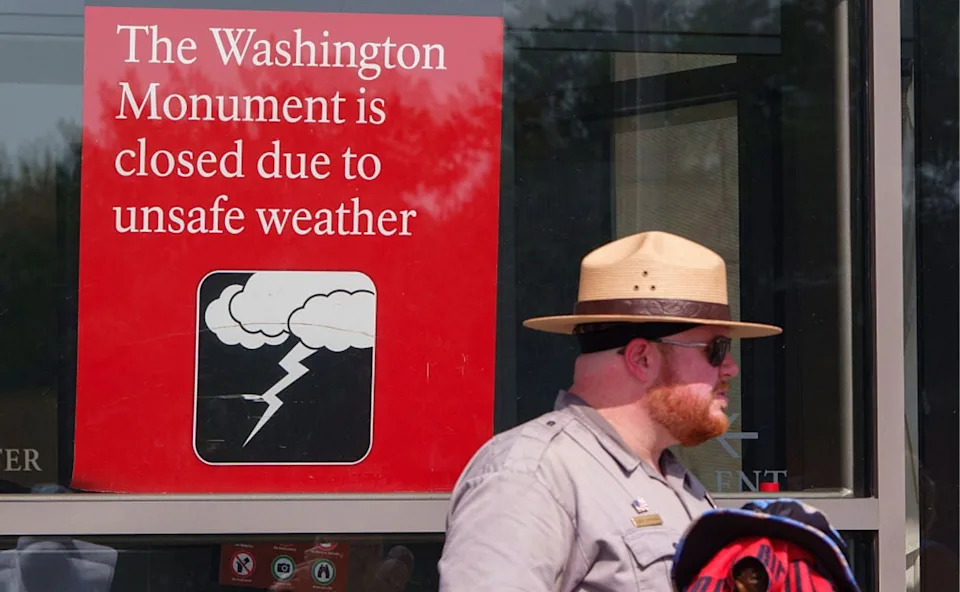
Extreme heat temporarily closed the Washington Monument and American State Fair on July 3, 2026.
Practical Solutions: Community Hubs And Resilience
Investing in community hubs such as public libraries, recreation centers and multiuse resilience hubs can strengthen social ties and provide critical services during crises. When designed inclusively, these spaces can host year‑round social and educational programs while serving as cooling centers, phone‑charging sites, internet access points and places to coordinate mutual aid during outages or disasters.
Local outreach and preparedness — including targeted checks on isolated residents, reliable backup power for critical community sites, and expanded connectivity options — can help reduce the social isolation amplified by climate change.
Why It Matters: Social connection is more than a nicety; it is an essential tool for public health and disaster response. As the climate continues to change, protecting and investing in the social infrastructure of communities will be crucial for resilience.
Fiona Doherty, MSW, PhD, is an assistant professor at the University of Tennessee College of Social Work. Her community‑engaged research focuses on environmental and climate justice, extreme weather vulnerability, intergenerational solidarity, community resilience and health in underserved rural areas.
Help us improve.