Summary: Cafe Basimta on Agrippas Street has become the focal point of six consecutive Saturdays of haredi protests after opening on Shabbat. The demonstrations, often involving teenagers, are tied to broader disputes over a light rail route and proposed yeshiva conscription. Police intervened where they identified risks to public order; the cafe operates under legal exemptions and continues to draw large crowds despite calls for its closure.
Jerusalem’s Basimta Cafe Becomes Flashpoint as Haredi Protests Over Shabbat Enter Sixth Week
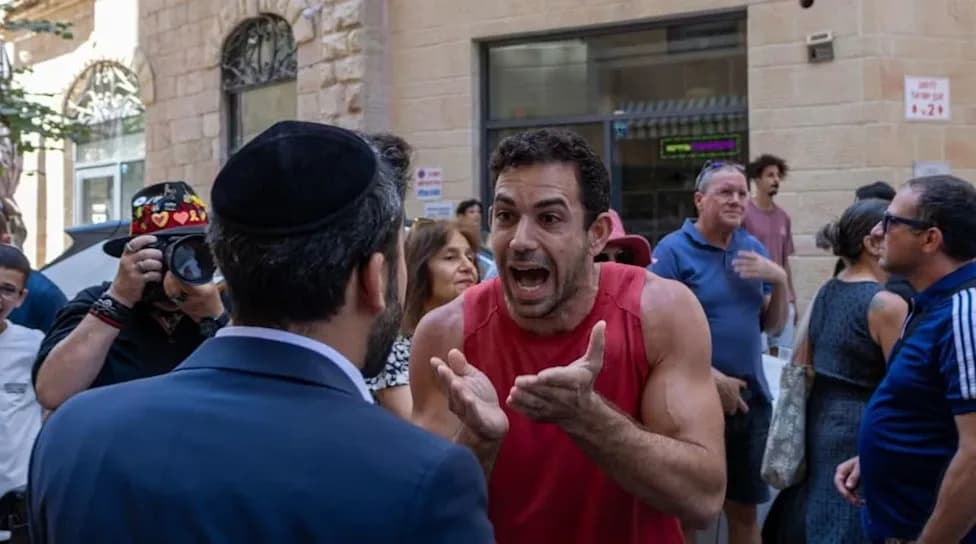
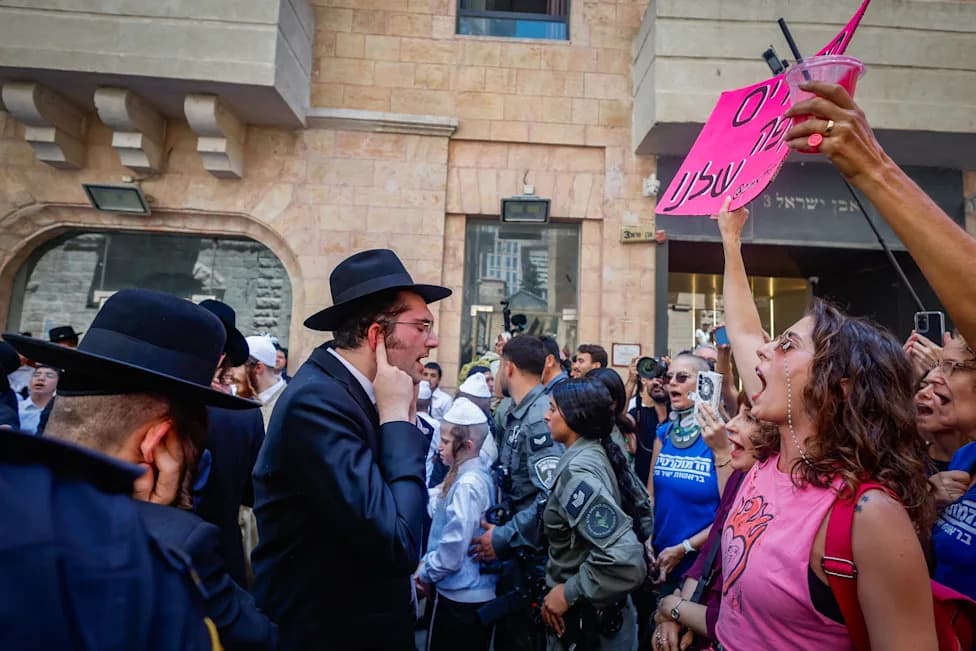
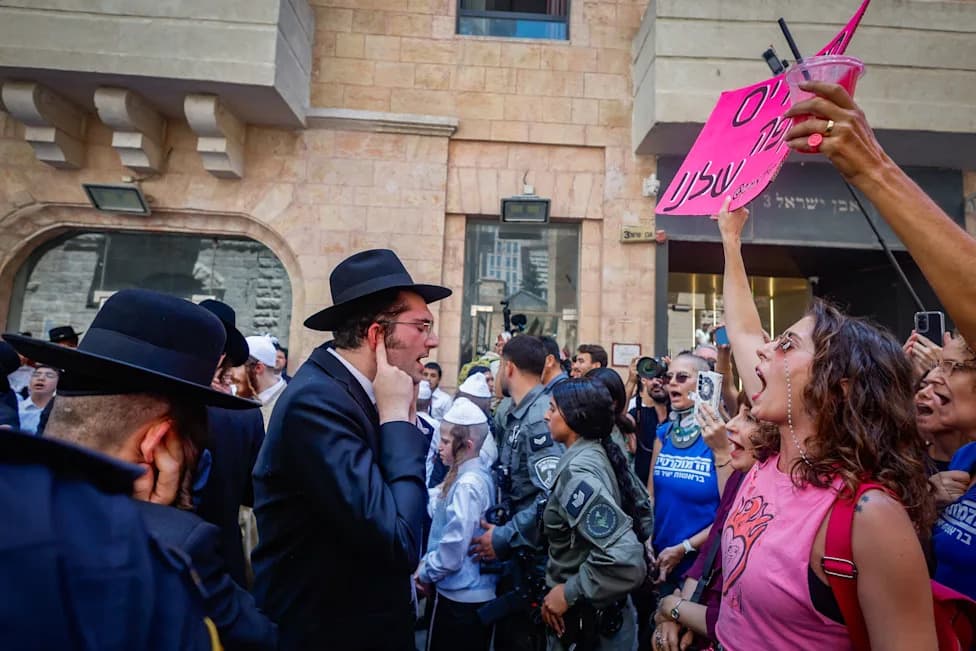
Haredi Orthodox and secular protesters and counter protesters face off outside a Jerusalem cafe open on Shabbat, Aug. 9, 2026 (photo credit: Theia Chatelle)
By mid-morning on Saturday, the narrow alleys around Cafe Basimta on Agrippas Street were filled with haredi Orthodox demonstrators objecting to the cafe’s decision to open on Shabbat. The demonstrations entered a sixth consecutive Saturday, drawing heavy police presence after some protesters breached barricades the previous weekend.
New Cafe, Old Tensions
Basimta opened at the end of May and quickly became the most visible target among nearly 100 Jerusalem restaurants, bars and cafes that operate on Saturday. Laura Wharton, a Jerusalem city council member from the Democrats party and founder of Shabus (a cooperative that runs buses on Shabbat), said Basimta’s novelty and location near an informal border between haredi neighborhoods and the rest of the city explain why it has drawn sustained attention. "There have been weeks when the average age was probably about 16 there," Wharton said, noting that the protests have often involved teenagers on yeshiva break.
Broader Flashpoints: Light Rail And Conscription
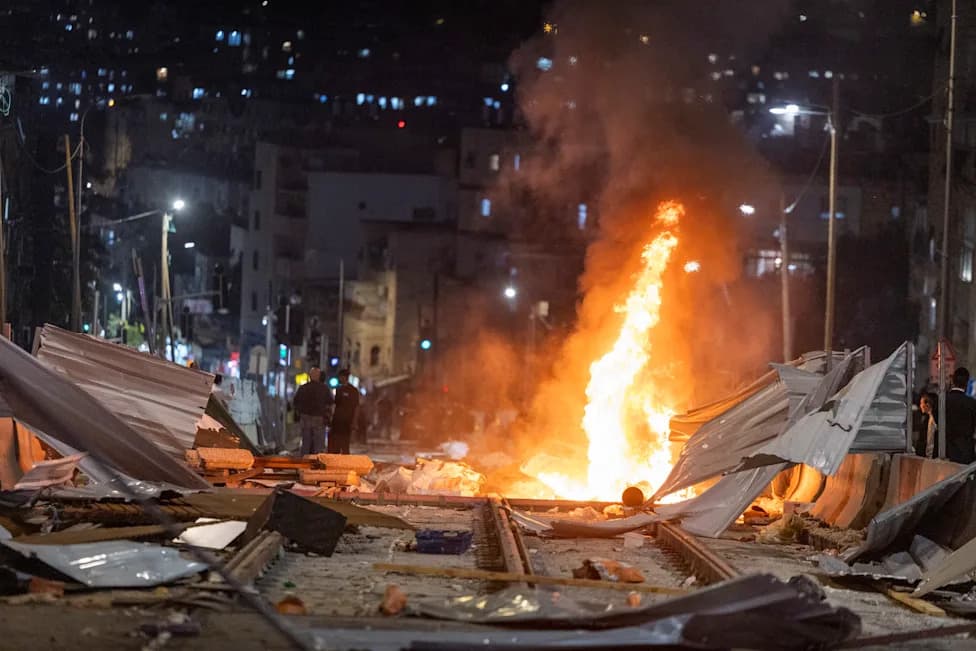
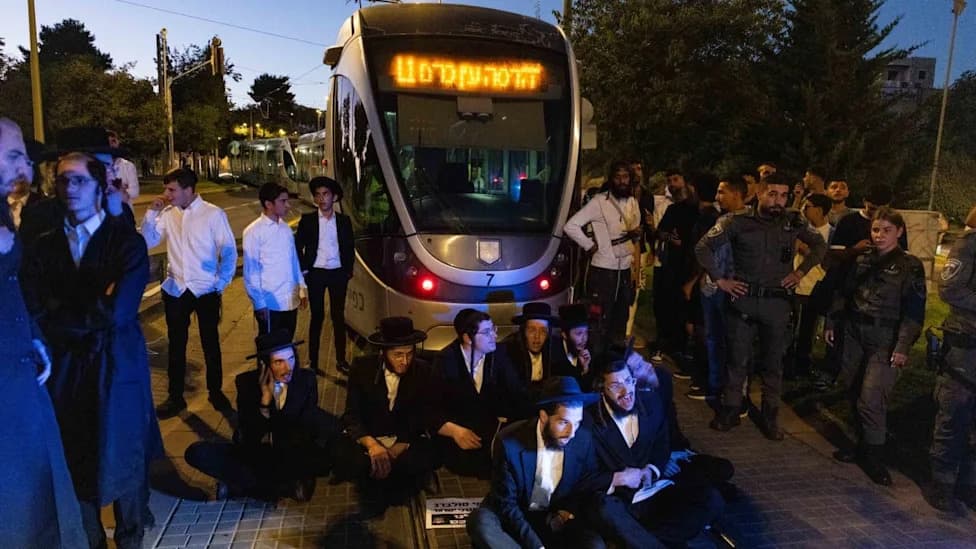
What began as a dispute over a single business has become part of a wider summer of unrest in Jerusalem. Protesters link the cafe to larger grievances, including a controversial light rail route and proposed extensions of mandatory army conscription to some yeshiva students. Hardline haredi demonstrators have opposed the light rail for years, obstructing construction on Bar-Ilan Street, damaging work sites and causing estimated losses of about 400 million shekels.
Because construction halts on Saturdays, Wharton said protesters have used the day to concentrate on Basimta rather than the rail works. National and municipal demographics also sharpen the stakes: nationwide, 44% of Israeli Jews identify as secular and 16% as haredi; in Jerusalem, by contrast, 46% of Jewish residents identify as haredi, 25% as religious-Zionist and 13% as secular, according to the Jerusalem Institute for Policy Research.
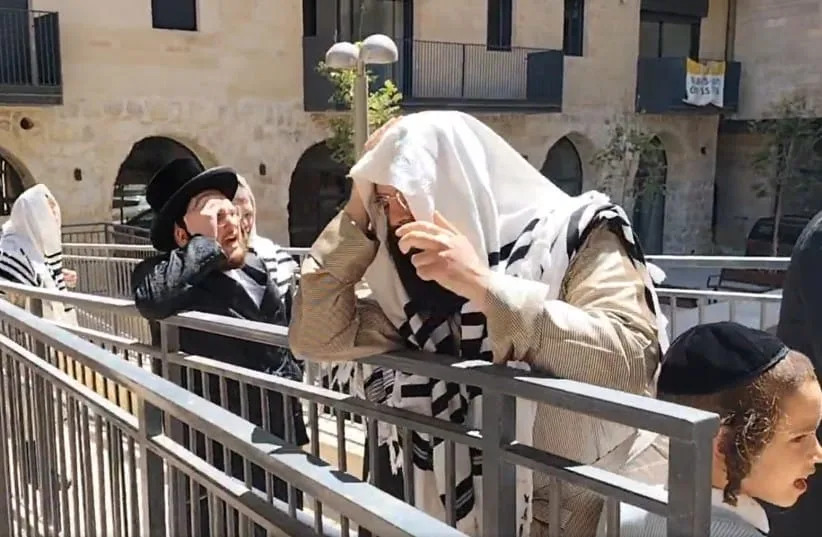
Ultra-Orthodox protesters outside of the Basimta cafe on Saturday, July 4, 2026. (credit: Screenshot/X/@afdirohak)
Confrontations And Policing
Outside Basimta on Saturday, chants and insults alternated with hymns. Some haredi protesters, many teenagers in traditional black attire, chanted a verse from Exodus: "One who desecrates the Sabbath, his sentence is death," and accused others of "destroying Jerusalem." Secular counter-demonstrators returned chants such as "Enlist!" and carried signs saying "Haredim For Our Coffee," a play on a Hebrew word that can mean both ultra-Orthodox and devoted.
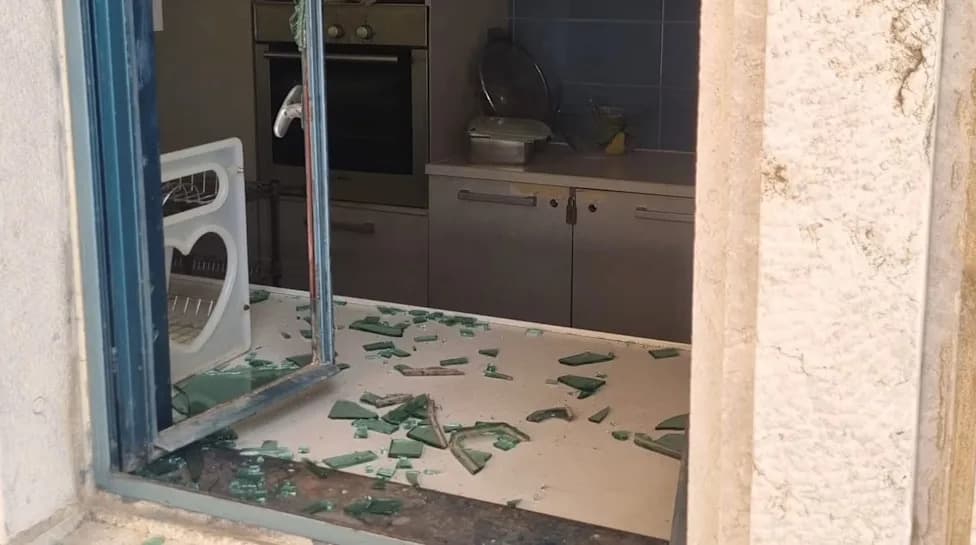
Confrontations escalated over the past weeks. Before dawn on July 25, someone reportedly threw a bag of feces at the cafe entrance, and police announced the arrest of a 15-year-old in connection with the protests. Journalists at the scene said they were spat on, and some residents of buildings above the alley tossed bags of water down onto counter-demonstrators until officers warned those actions could lead to arrests. In a written statement, Israel Police said officers intervened where they identified people "attempting to instigate violence or disrupt public order."
Legal Status, Municipal Disputes And Ownership
Municipal rules exempt entertainment, food service and sports from Jerusalem’s general Shabbat closures; Wharton cited a Supreme Court ruling to explain why cinemas and municipal pools operate on Saturdays and why Basimta is running legally. Yohanan Weitzman, a city council member from the haredi Agudat Yisrael faction, said Basimta violated an unwritten status quo about which businesses open on the Sabbath and described the cafe’s opening as "the straw that broke the camel's back."
The cafe’s owner, Yoel Ben David, confirmed that city officials asked him to remove outdoor tables as a compromise and that he complied. Ben David is a member of the Jews for Jesus community, and that affiliation has drawn additional criticism. An anti-missionary group, Or LeAchim, told JTA it is pursuing municipal channels to close the cafe on licensing grounds; city officials say the only substantive complaint to date concerned outdoor furniture, which has been moved inside.
Impact On Neighbors And Business
Despite the protests, Basimta has reported brisk business, with long lines from opening to closing. For residents in the high-rise buildings around the cafe courtyard, the weekly disturbances have taken away the quiet of Shabbat morning. Liora Bamberger, who observes Shabbat and lives nearby, said she believes the cafe should be allowed to operate but worries the escalation will not end well: "When you have extremism, it's not gonna end. It's gonna be a boom."
Bottom line: Basimta’s case highlights the collision of municipal law, demographic change and competing visions for Jerusalem’s public life—an argument that is now unfolding in the city’s narrow alleys as much as in its courts and councils.
Help us improve.