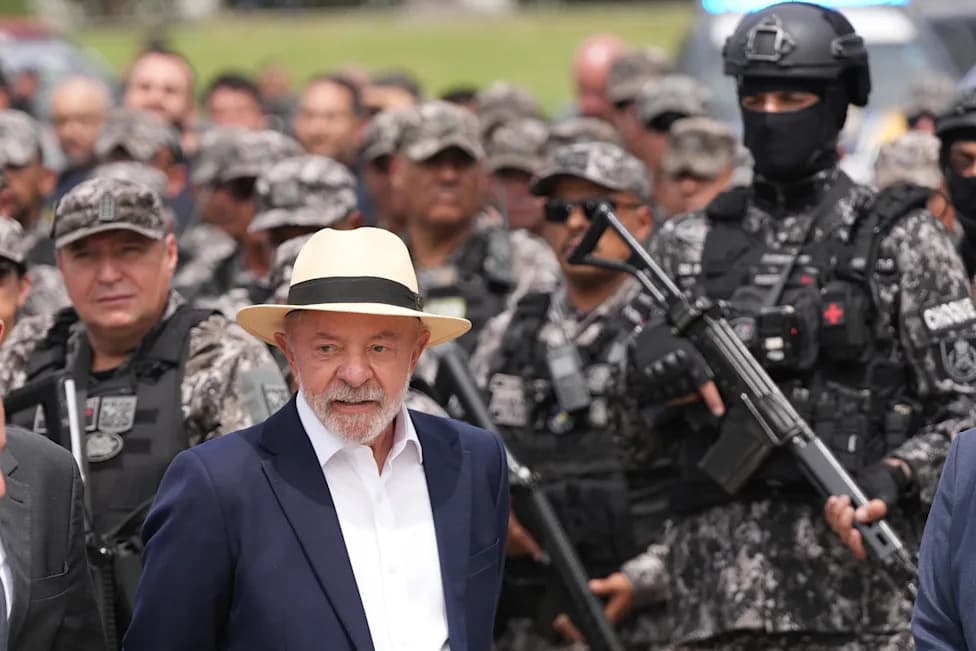
Operation Hidden Carbon in Brazil exposed how fuel businesses, fintechs and investment funds can be used to launder billions, illustrating a broader shift: Latin America’s criminal groups have diversified into legal and illegal markets to spread risk and protect revenue. Heavy-handed security measures deliver quick, visible results but often fail to dismantle the financial and political infrastructure that sustains gangs. Experts argue that financial investigations, asset freezes and cross-border intelligence are essential to weaken organized crime sustainably.
How Latin America's Gangs Diversified: From Drugs to Fuel, Finance and Political Power
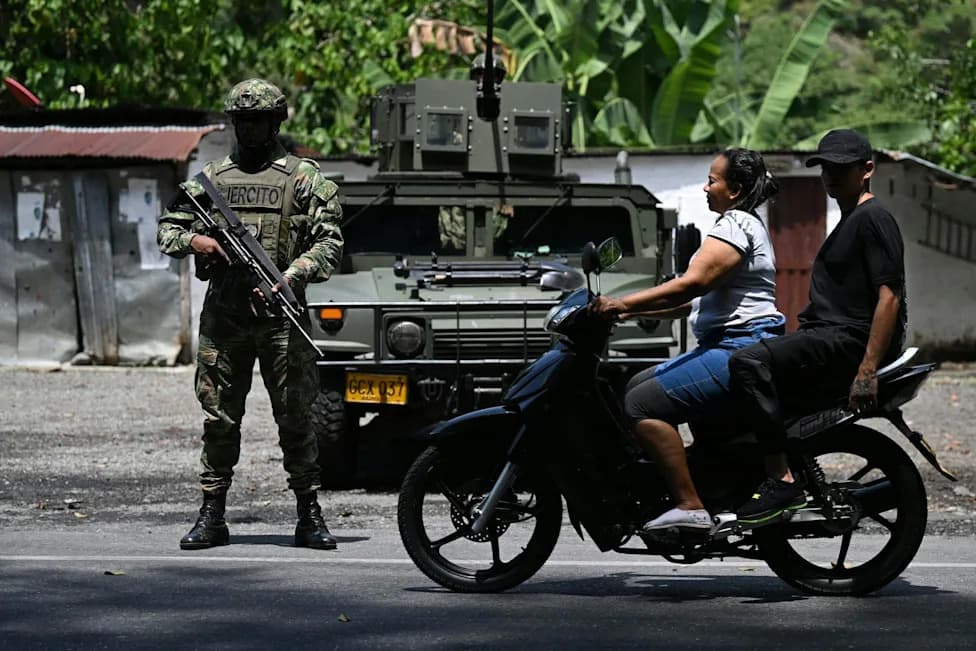
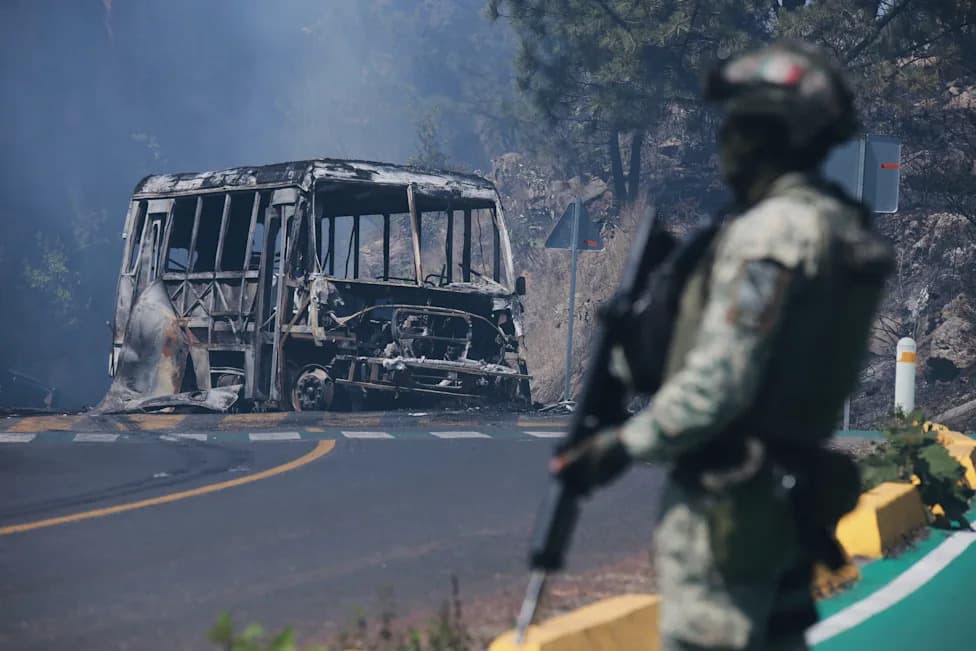
Soldiers guard a road after the Colombian government accused the Gulf Clan criminal organization of supporting attacks by illegal gold miners.Raul Arboleda/AFP via Getty Images
Latin America’s most powerful criminal organizations have broadened their revenue streams beyond narcotics, blending illegal and legal businesses in ways that make them more resilient to traditional police crackdowns. A recent study of organized crime across Latin America and the Caribbean finds that diversification — into sectors such as fuel, mining, logistics and finance — helps these groups hide proceeds, buy protection and embed themselves in local economies.
How Gangs Have Diversified
Criminal networks now generate income from both illicit and licit activities. Many act as informal providers of order or services in neighborhoods, influence local politics, and place funds in legitimate firms. They exploit global transport and financial channels, using shell companies, fintechs and cryptocurrencies to obscure beneficial ownership and launder revenue.
The shift was gradual: international trafficking ties were forged in the 1980s and 1990s, and multi-market networks intensified in the mid-2010s as drug trafficking grew riskier. Groups expanded into migrant smuggling, illegal mining, cybercrime and fuel theft. The COVID-19 pandemic accelerated the trend by weakening state capacity and enlarging informal economies.
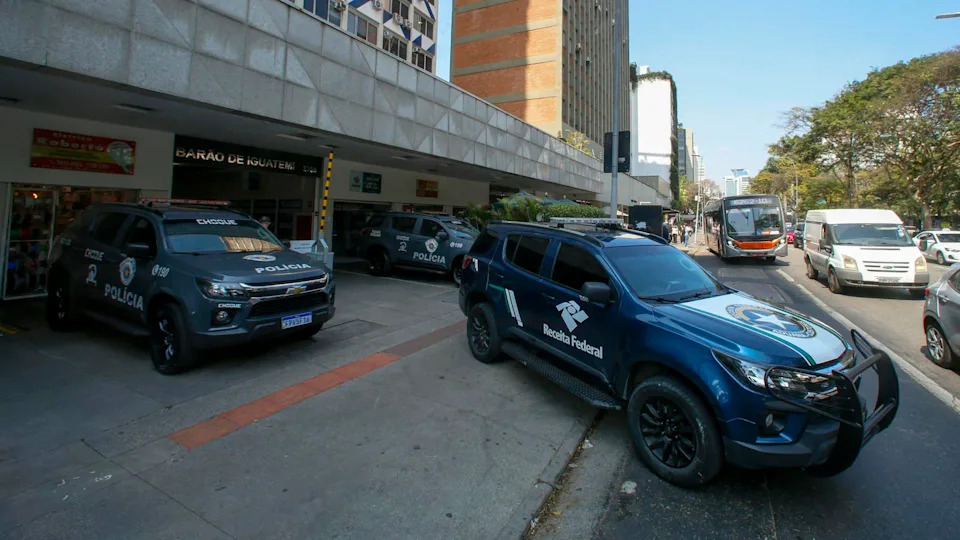
Brazilian police launched a major operation on Aug. 28, 2025, against a vast money-laundering network involving organized crime and the financial sector.Miguel Schincarol/AFP via Getty Images
Operation Hidden Carbon: A Case Study
Brazil illustrates these dynamics. On Aug. 28, 2025, more than 1,400 law-enforcement agents carried out what authorities called the country’s largest-ever operation against organized crime. Named Operation Hidden Carbon, the probe targeted over a thousand gas stations, ethanol plants, a trucking fleet, a port terminal, investment funds and offices in São Paulo’s financial district.
Prosecutors allege the operation exposed a money-laundering apparatus tied to the First Capital Command (PCC), in which fuel businesses and fintechs channeled illicit proceeds through payment companies and investment vehicles that concealed ownership. Authorities initially froze about R$1.2 billion (roughly US$220 million), and investigators traced billions of dollars moving through the motor-fuel sector and a web of financial intermediaries.
Why Firepower Alone Is Not Enough
Traditional raids and militarized crackdowns deliver visible results and political optics, but they rarely dismantle the economic and political infrastructure supporting criminal groups. Police and regulatory agencies are often organized by crime type and national jurisdiction, while criminal networks operate across markets and borders. Pressure on drug trafficking frequently pushes groups into other illicit markets without eliminating their finances or corrupt ties.
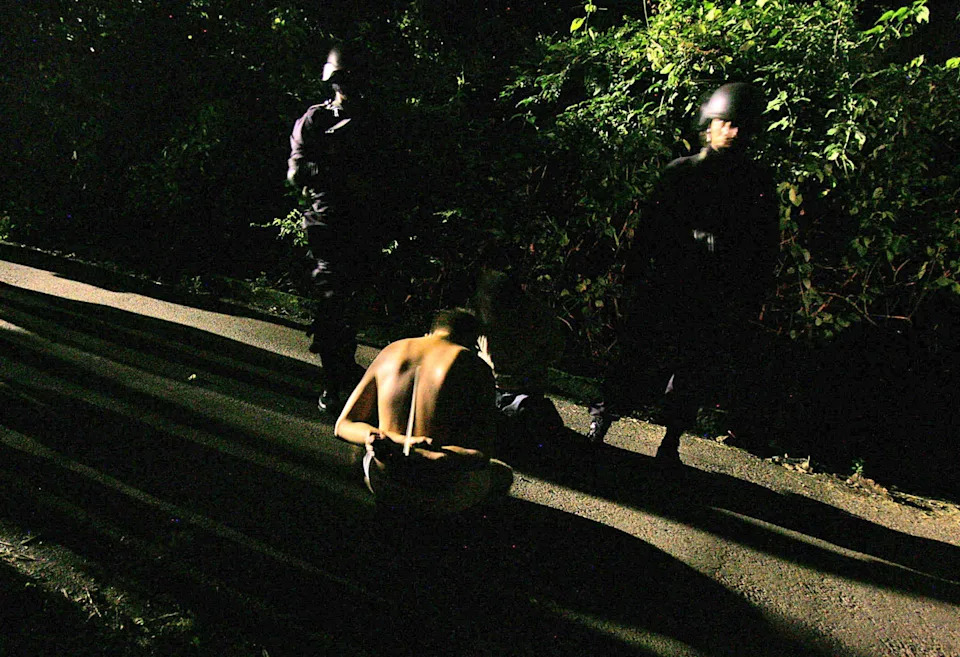
An alleged gang member is arrested by police in El Salvador.Yuti Cortez/AFP via Getty Images
Examples across the region illustrate the limits of force. El Salvador’s harsh "mano dura" approach corresponded with a dramatic drop in the official homicide rate (from roughly 105 per 100,000 in 2015 to about 1.3 by 2025) but also produced mass detentions, suspended legal protections and hundreds of deaths in custody; by June 2026 more than 92,000 people were imprisoned. Ecuador’s 2024 security offensive initially reduced killings, but homicides surged past 9,000 in 2025 as gangs retained control of prisons, ports and corrupt networks.
International Pressure and Recent Developments
Washington has amplified pressure on criminal groups through terrorism designations and maritime strikes: in May 2026 the U.S. State Department designated the PCC and the Red Command (CV) as Foreign Terrorist Organizations (effective June 5), and by July 2026 U.S. forces had carried out at least 67 strikes against suspected trafficking vessels, reportedly killing more than 220 people. Yet available evidence suggests these measures have not clearly reduced cocaine supply, as traffickers shift routes and adapt logistics. In August 2026 the U.S. announced plans for a $1 billion security package for Colombia.
What Works: Follow the Money
Financial investigations and asset-recovery measures target the structures that allow gangs to grow: corporate ownership, payment platforms and cross-border flows. Operation Hidden Carbon shows the value of tracing funds through fintechs and investment funds to expose the intermediaries and legal vehicles that enable laundering. Asset freezes and targeted financial measures can deprive criminal groups of the capital they use to buy protection and expand into new markets.
Policy Implications: Complement visible security operations with long-term financial investigations, judicial reform, corporate-transparency rules and international cooperation on beneficial ownership and fintech oversight.
Author: This article was written by Robert Muggah of the Igarapé Institute and Princeton University. He is co-founder of the Igarapé Institute and a principal at the SecDev Group, and advises governments, private companies and international organizations including the United Nations, the IMF and the World Bank. This piece is republished from The Conversation.
Help us improve.