Seven new diamond frog species from Madagascar were described after combining fieldwork, anatomical study and "museomics" — DNA sequencing of historical museum specimens. The research resolved decades of taxonomic confusion, raised the known Rhombophryne total to 27, and already informs proposals to expand protected areas. Many species remain poorly known and vulnerable to deforestation, so further study and conservation action are urgent.
Hidden in the Leaf Litter: Seven New Diamond Frog Species Discovered in Madagascar

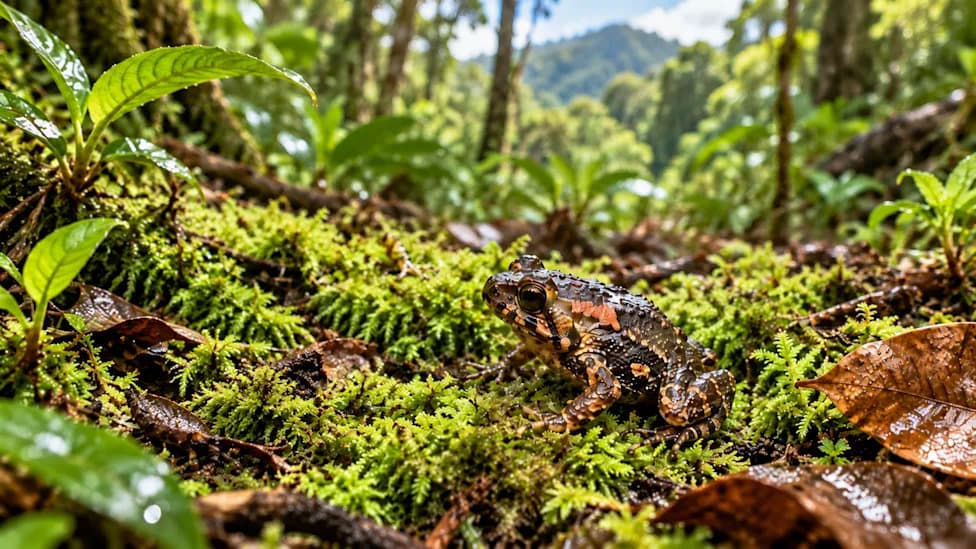
(Photo by Lara Jameson via Pexels)
An international team of researchers has described seven previously unknown species of "diamond frogs" (genus Rhombophryne) from Madagascar, revealing that this secretive group is even more diverse than scientists realized. The findings — published in the journal Vertebrate Zoology — combine fieldwork, museum DNA sequencing and detailed anatomical and acoustic study to resolve long-standing taxonomic puzzles and inform conservation planning.
Discovery and Methods
The project began in 2014 after repeated field encounters with frogs that clearly represented undescribed species. Many diamond frogs live hidden beneath leaf litter or inside the forest floor, and individuals that do appear aboveground can look deceptively similar. That secrecy kept true species boundaries obscured for decades.
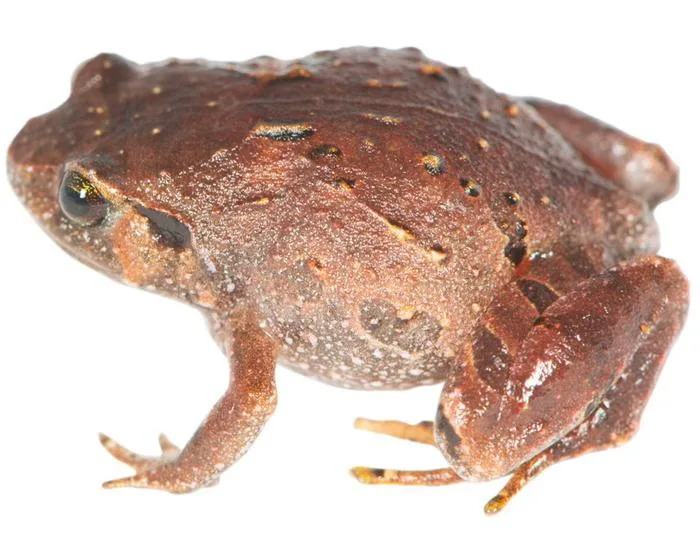
Rhombophryne mavokely, one of the newly described species of diamond frogs from Madagascar. (Mark D. Scherz, Natural History Museum Denmark via SWNS)
Researchers used a three-pronged approach: targeted field surveys, morphological and acoustic analyses, and "museomics" — sequencing DNA from historical museum specimens, including original type material. Combining genetic data from century-old collections with newly gathered samples allowed the team to match historical names to modern genetic lineages and resolve taxonomic uncertainty.
Voices From the Study
Mark Scherz, curator of herpetology at the Natural History Museum Denmark and lead author, said: "Diamond frogs have been hiding their diversity beneath our feet. Many species spend most of their lives beneath the leaf litter, and even when they emerge they can look deceptively similar."
Alice Petzold (University of Potsdam), who led the museomics work, added: "Museum collections are far more than archives of the past — they are essential scientific resources for understanding biodiversity today. By sequencing historical specimens, including original type material, we answered questions that have persisted for generations."
What the Frogs Look Like
Diamond frogs show a surprising variety of forms. Some are compact and round, resembling mainland African rain frogs and adapted for burrowing. Others are long-legged moss dwellers or more robust terrestrial types. While many appear brown at first glance, several species display sudden flashes of orange or striking white or black markings on their thighs and lower backs that may startle predators.
(Photo byGraphic NodeviaUnsplash)
Conservation Implications
The seven newly described species include Rhombophryne mavokely and others that helped raise the number of described Rhombophryne species to 27. Several of the newly recognised taxa, including Rhombophryne quentini, were cited in proposals to strengthen and expand protected areas in Madagascar.
Despite these advances, basic data on many diamond frog species remain scarce: breeding biology, population sizes and precise ecological requirements are still unknown for numerous taxa. Many species occupy small forest fragments threatened by deforestation, so clarifying species identities and distributions is critical to prioritize conservation action.
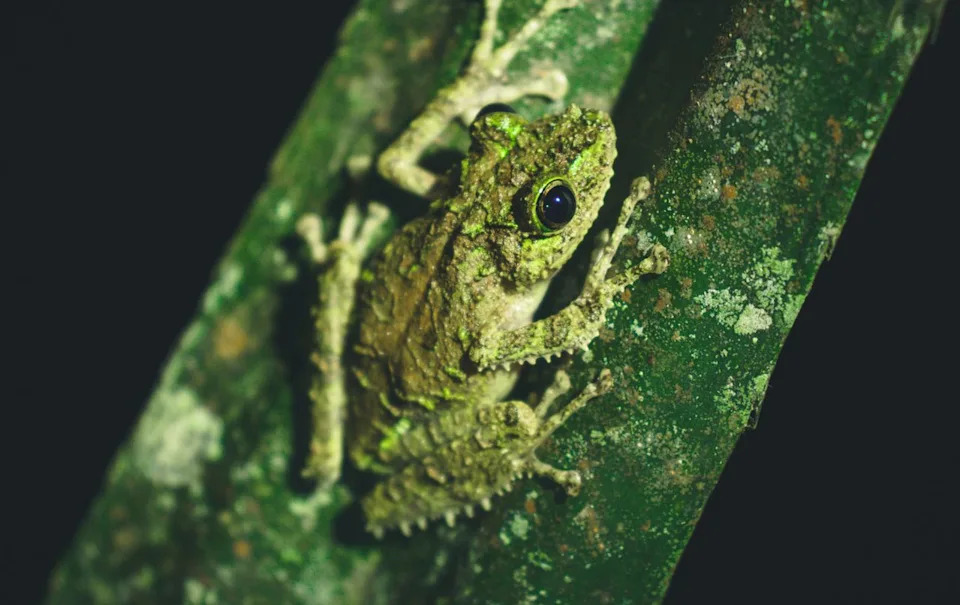
Detailed close-up of a frog showcasing natural camouflage on a leaf in Madagascar, not one of the frogs discovered recently.(Photo by Davidson Free Media via Pexels)
Looking Ahead
The researchers say more undescribed species almost certainly remain to be discovered and formally described. "Every newly described species represents millions of years of unique evolutionary history," Scherz said. The study highlights how combining modern genetic techniques with museum collections and traditional field biology can unlock hidden biodiversity and guide conservation in hotspots like Madagascar.
Study reference: Scherz et al., published in Vertebrate Zoology. Photo credits where noted.
Help us improve.