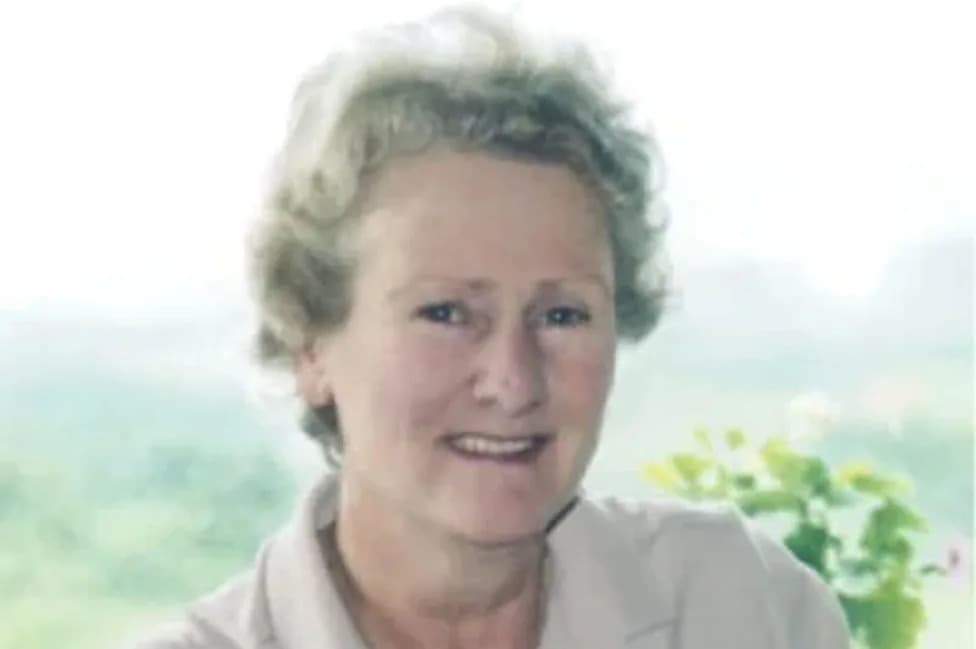
Catherine "Cat" Razzell recounts her mother Linda’s disappearance on 19 March 2002 and the subsequent conviction of her father, Glyn Razzell, for murder in 2003 after forensic tests linked Linda’s blood to a borrowed car. Despite earlier parole refusals under provisions often called Helen’s Law, the Parole Board approved his release in January, triggering a High Court review under a new referral power. Cat, who works with AAFDA, secured a public parole hearing and continues to campaign for answers about her mother’s remains while criticizing early-release policies that she says endanger victims and public confidence.
‘My Father Killed My Mother’ — Daughter Fights To Stop Convicted Killer’s Release As High Court Reviews Parole

Catherine Razzell was 14 when her mother Linda 'disappeared' in March 2002. Her father was charged with murdering his wife in May that year - John Lawrence
Catherine "Cat" Razzell describes the day her mother, Linda Razzell, vanished in March 2002. She was 14 at the time. "She didn’t come to collect the younger children from school, and that was the last time we saw her," Cat recalls.
Background
Linda, a learning support assistant at Swindon College, left the family home in Highworth on 19 March 2002 and was last seen parking near her workplace. Her estranged husband, Glyn Razzell, initially appeared in media appeals for her return but was arrested in May 2002 and charged with her murder. He was convicted in November 2003 and sentenced to life imprisonment.
Evidence And Legal History
Prosecutors said Razzell was motivated largely by financial pressure: four days before Linda disappeared the Family Court had frozen his bank accounts after she secured an order following the stoppage of maintenance payments. The prosecution alleged that on 19 March Razzell borrowed a car from a friend, drove across Swindon, abducted Linda from an alleyway on her way to work, killed her by unknown means and disposed of her body. Forensic tests later found traces of Linda’s blood in the boot of the borrowed car. Razzell denied involvement, but appeals in 2004 and 2005 were refused and the Criminal Cases Review Commission declined to refer the case.
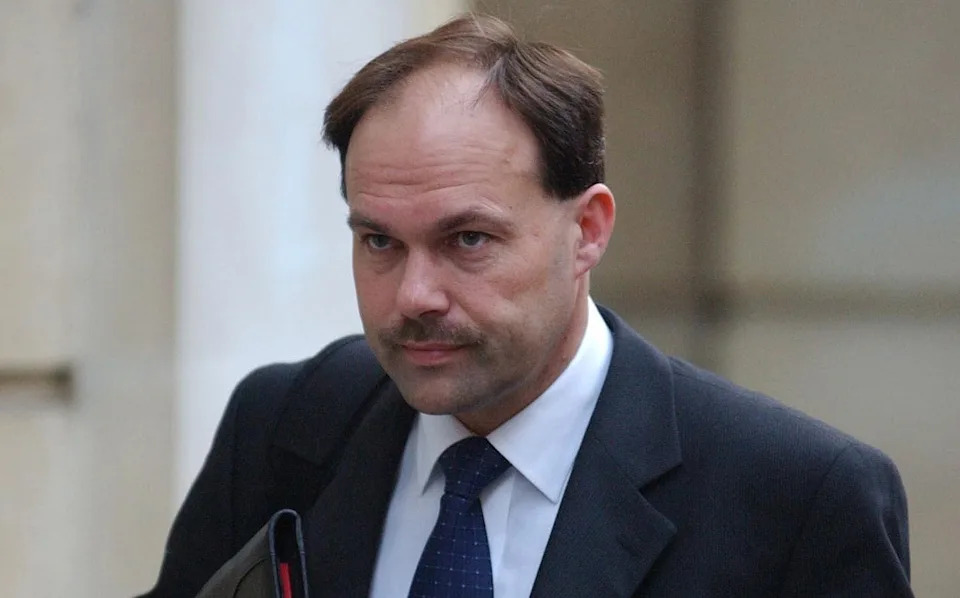
Glyn Razzell in 2003, the year he was convicted of murdering his wife - Barry Batchelor/PA
Parole, Helen’s Law And A High Court Review
Razzell was refused parole on three occasions. In 2021 he became the first prisoner denied parole under the principle commonly known as Helen’s Law, which requires the Parole Board to take into account a prisoner’s refusal to disclose the location of a victim’s remains when considering release. At a 2023 hearing the Parole Board also cited concerns about his behaviour towards female professionals in custody and his continued denial of responsibility.
Despite this history, the Parole Board approved Razzell’s release on licence in January. In December, the Secretary of State for Justice introduced a new parole referral power that allows the government to ask the High Court to review Parole Board decisions where a release might undermine public confidence in the system. Razzell’s case is the first reportable instance to be considered under that power; the High Court is due to review the decision this week and, until then, Razzell remains in custody.
Family Impact And Campaigning
Cat, now a musician and mental health advocate, works with Advocacy After Fatal Domestic Abuse (AAFDA) to raise awareness of the effects of domestic homicide on families. After learning of the parole hearing, she applied to have it held in public; her initial request was refused but was overturned on appeal, and the hearing was allowed to proceed publicly.
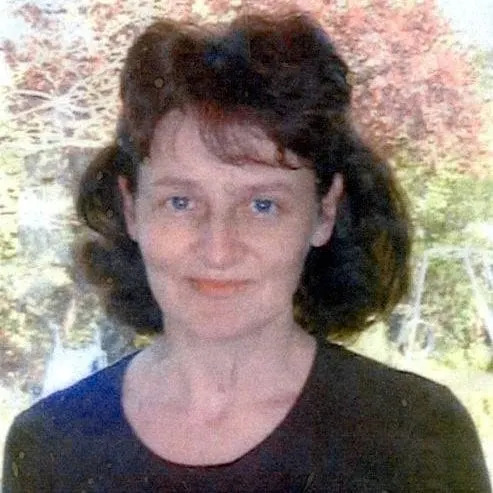
Linda Razzell, who disappeared in March 2002, aged 40 - PA Archive/PA Images
"He isolated her," Cat says of her father. "He deliberately withheld maintenance, intimidated her and made her ever more anxious. We never had the chance to say goodbye."
Cat has studied domestic abuse and cites criminologist Jane Monckton Smith’s book In Control to explain the patterns of coercive control she recognises in her father’s behaviour. The family says persistent public claims of innocence by Razzell — including media attention and a 2019 BBC documentary that examined contested theories about the evidence — have been devastating.
Wider Context
The case has gained renewed public attention amid a wider national debate about early prisoner release following emergency measures introduced by the government to relieve prison overcrowding. Cat is critical of policies that allow early release for dangerous offenders and says the prospect of Razzell’s release leaves the family without its last leverage to discover what happened to Linda and where her remains might be.
As the High Court considers the referral, Cat and her siblings continue to campaign for answers and for protections that prioritise victims’ rights and public safety.
Help us improve.