The blocking of an Iranian-operated Mahan Air flight and a subsequent Saudi strike on Sanaa's runway triggered a new round of attacks between Houthi forces and Saudi Arabia, endangering the 2022 Yemen truce. U.N. envoy Hans Grundberg and regional mediators have engaged parties to prevent further escalation. The exchanges have included strikes on airports, a Red Sea shipping blockade, attacks on oil facilities and damage to key ports, raising the risk of a wider regional confrontation and deepening humanitarian suffering.
Blocked Mahan Air Flight Sparks New Houthi–Saudi Escalation, Threatening 2022 Yemen Truce
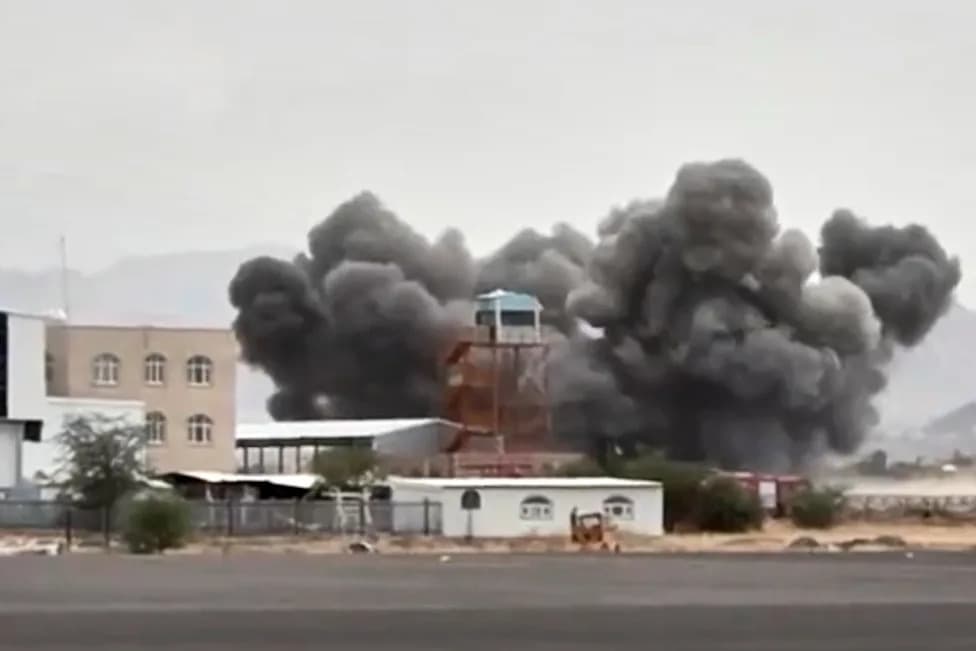
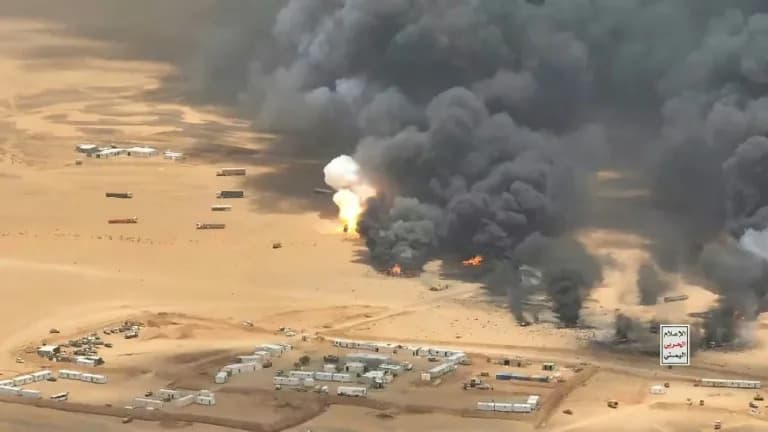
FILE - This image taken from video broadcast by Al-Masirah TV, a Houthi-controlled news channel, shows an explosion at the Sanaa International Airport compound during what the Iranian-backed Houthi rebels in Yemen said were several Saudi airstrikes in Sanaa, Yemen, July 13, 2026. (Al-Masirah TV via AP, File)(AL-MASIRAH TV NEWS CHANNEL via AP)
CAIRO — A Saudi airstrike that damaged the runway at Sanaa airport after blocking an Iranian-operated Mahan Air flight carrying senior Houthi delegates has set off a fresh cycle of attacks between the Iran-backed Houthis and Saudi Arabia. The retaliation and counterstrikes threaten to unravel a 2022 truce and risk widening the conflict into a broader regional confrontation.
U.N. special envoy Hans Grundberg warned that Yemen now faces a greater likelihood of renewed large-scale conflict than at any time since the U.N.-brokered April 2022 truce.
Grundberg said the escalation jeopardizes the gains of the 2022 agreement and could have devastating consequences for civilians. He added that he has held intensive talks with Yemeni factions and regional capitals to prevent further deterioration.
How the Flare-Up Began
The immediate confrontation began on July 13, when a Saudi-led coalition strike disabled Sanaa's runway and prevented the landing of a Mahan Air flight carrying Houthi delegates. The coalition requires prior clearance for flights into Yemeni airspace, a wartime control that the Houthis rejected by operating the flight without approval.
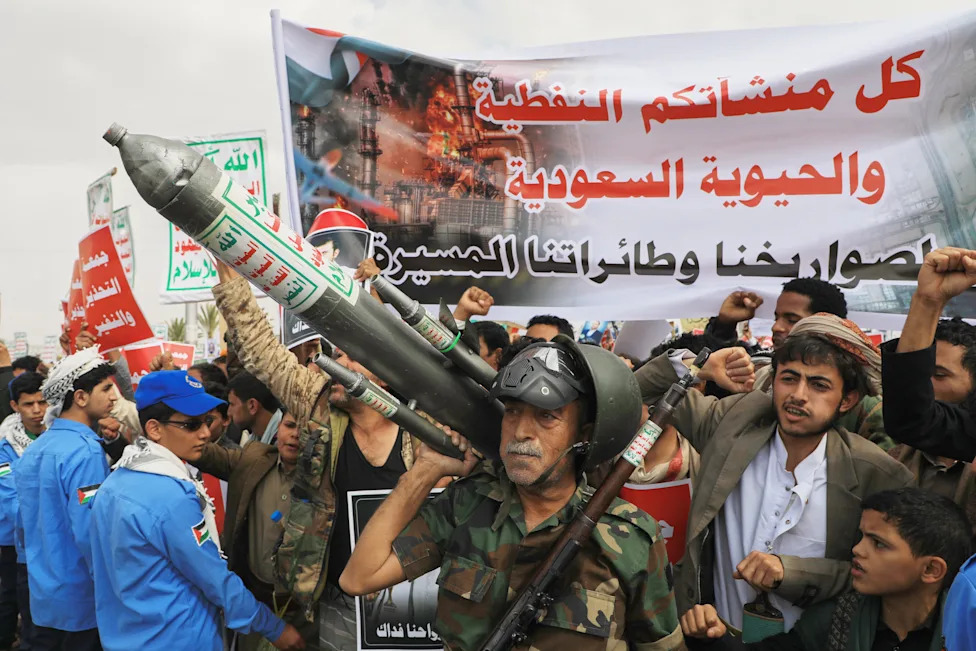
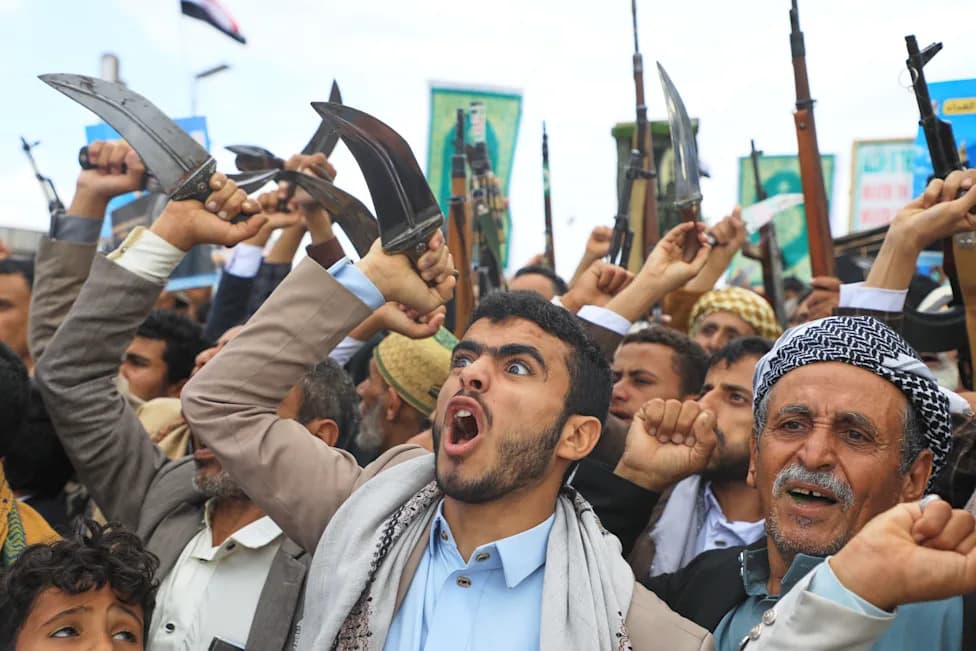
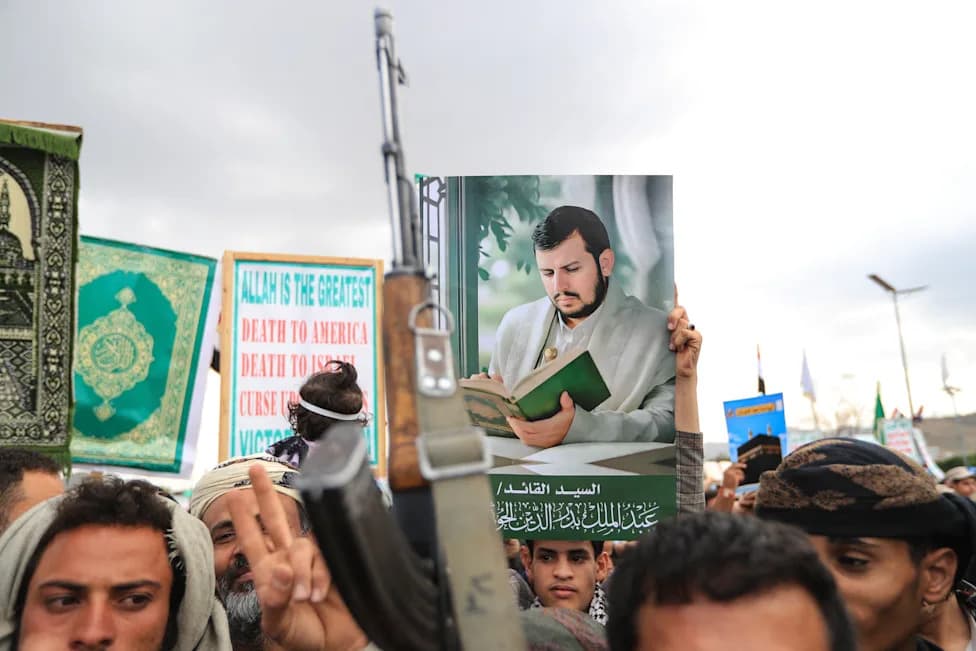
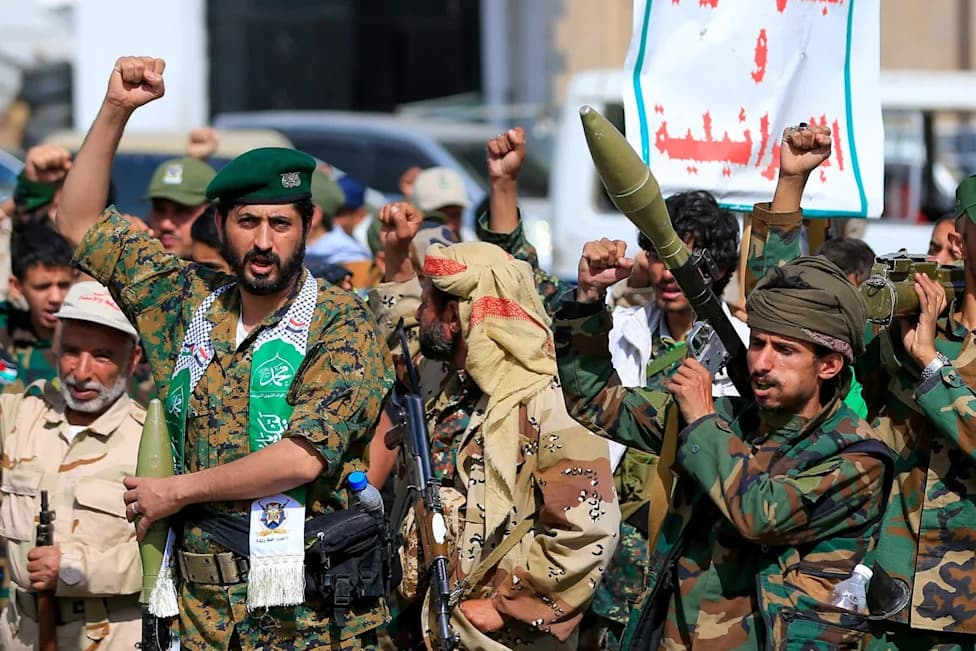
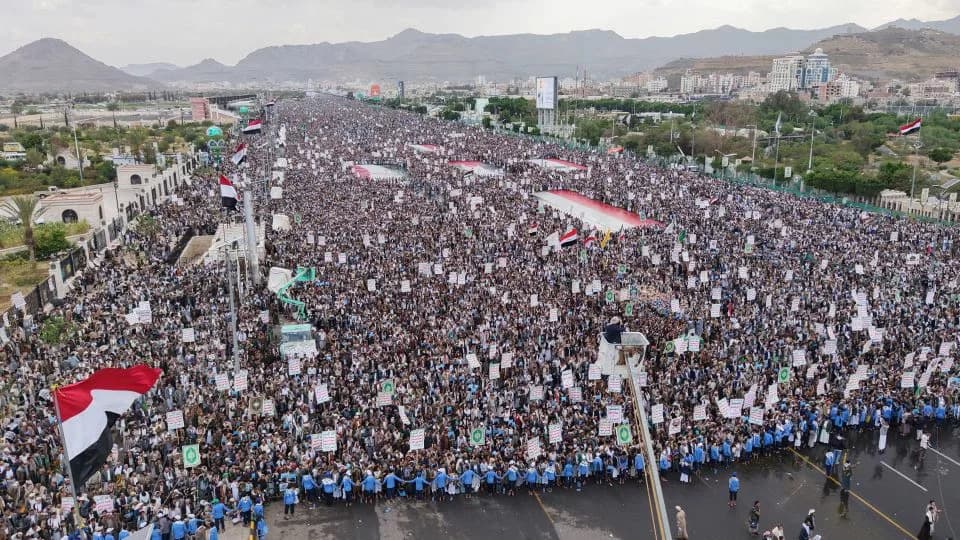
FILE - Houthi supporters hold a rally in Sanaa, Yemen, July 17, 2026, against the Saudi-led coalition. Banner in Arabic reads, "All Saudi oil facilities are targets to our missiles and drones." (AP Photo/Osamah Abdulrahman, File)(AP Photo/Osamah Abdulrahman)
Officials from both the internationally recognized Yemeni government and the Houthi movement, speaking on condition of anonymity about sensitive negotiations, said the Houthis refused a Saudi-backed proposal to send delegates on a non-Iranian carrier. The Houthis then proceeded with the Mahan Air flight, a privately owned Iranian carrier that is under U.S. sanctions, prompting the coalition strike.
In an Omani-mediated effort to avert a larger clash, the coalition later allowed the aircraft to land in Hodeida, a Houthi-controlled port city, a Gulf official said.
Escalation and Retaliation
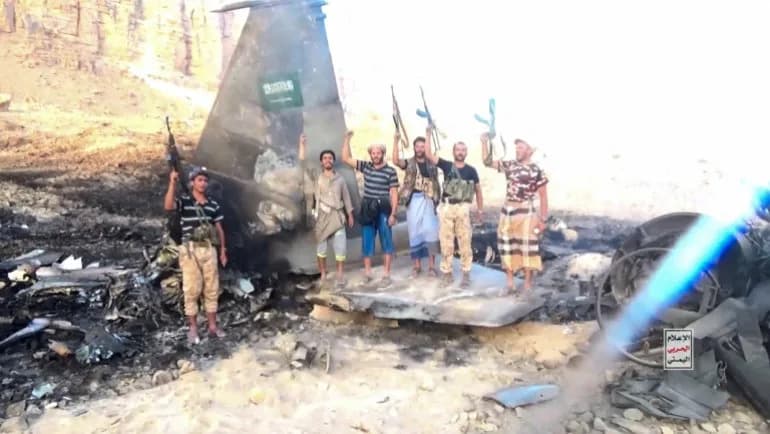
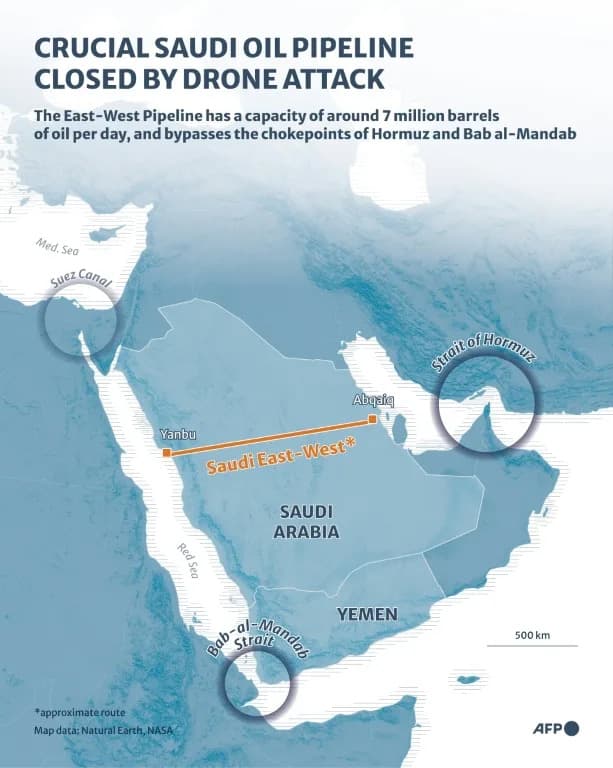
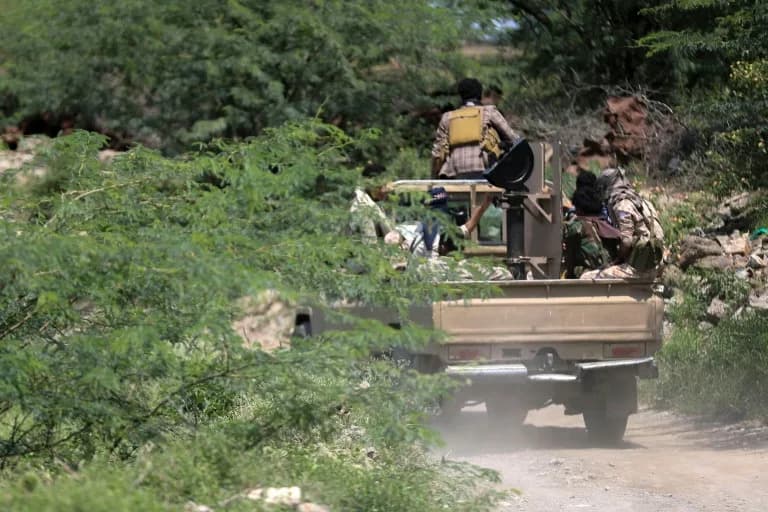
Following the Sanaa airport strike, the Houthis struck Abha airport in southwestern Saudi Arabia, announced a blockade on Saudi shipping in the Red Sea, attacked Saudi vessels and targeted oil facilities inside the kingdom. In response, the Saudi-led coalition launched strikes on Hodeida and Kamaran island and reinforced government forces along front lines as it prepared for a possible ground offensive.
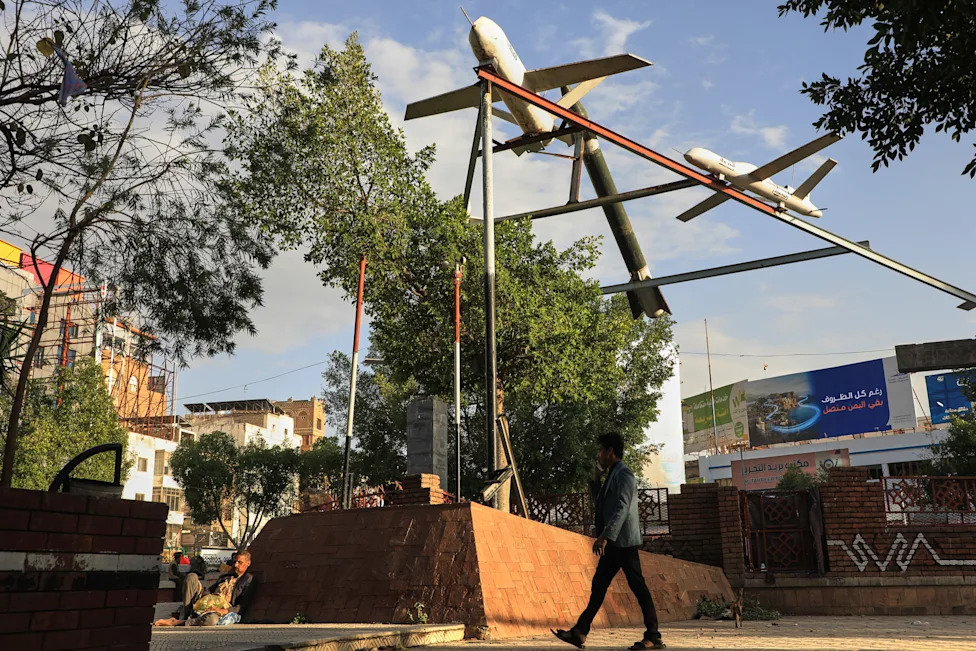
FILE - A Yemeni man walks past a monument featuring mock rockets in Sanaa, Yemen, July 28, 2026. (AP Photo/Osamah Abdulrahman, File)(AP Photo/Osamah Abdulrahman)
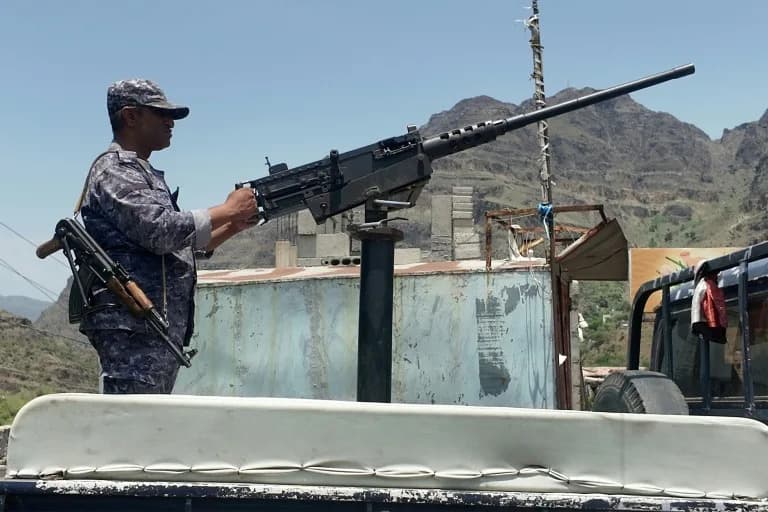
Anticipating a major ground operation, the Houthis also launched dozens of missiles and drones at military camps in central and southern Yemen, actions that local officials say killed dozens of troops and civilians. They struck the Red Sea city of Mokha, severely damaging the port there, which is controlled by the internationally recognized government.
Drivers and Consequences
Analysts say Tehran may be reactivating the Yemeni front to signal that attacks on Iran can produce strategic costs elsewhere, particularly for Saudi Arabia and Gulf states. Yasmeen al-Eryani of the Sana'a Center for Strategic Studies called the Mahan Air incident part of a broader Iranian escalation strategy.
Inside Houthi-held areas, deteriorating living conditions and economic hardship have increased domestic pressure on the movement to deliver tangible improvements after years of a "no war, no peace" stalemate. Researcher Salah Ali Salah said that heightened public expectations have created internal strains that may have contributed to the recent assertive moves.
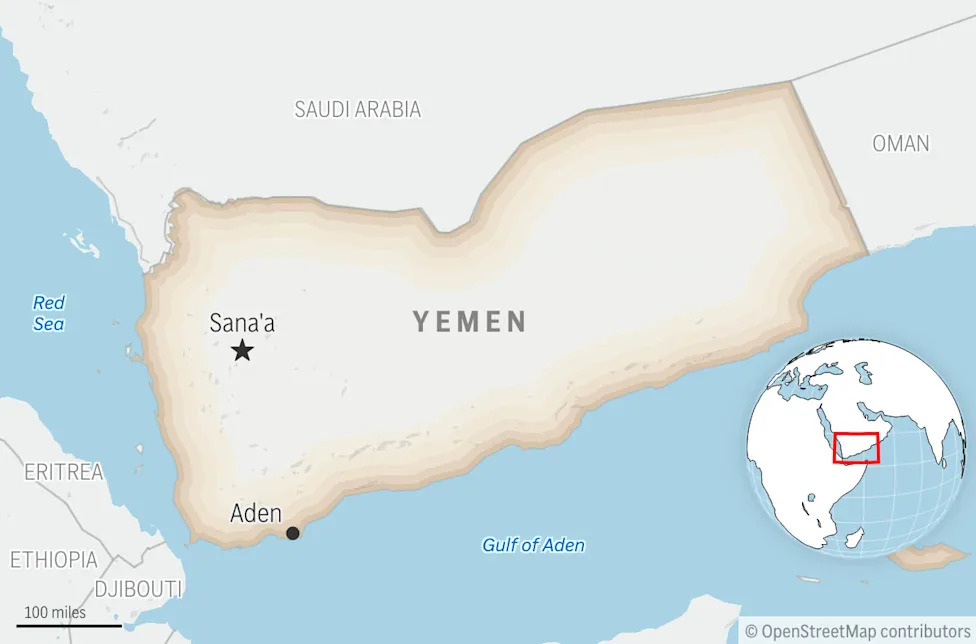
This is a locator map for Yemen with its capital, Sanaa. (AP Photo)(AP Photo/)
Ahmed Nagi of the International Crisis Group said the Houthis appear to be shifting priorities from seeking confidence-building measures, such as salaries for civil servants, to asserting Yemeni sovereignty over airspace, ports and territorial waters—actions that raise the political stakes and make compromise more difficult.
Humanitarian Impact and Diplomacy
The war that began in 2015 has produced one of the world’s worst humanitarian crises, and people in Houthi-held territories remain among the most food insecure. The April 2022 truce had halted major hostilities and curtailed cross-border Houthi missile and drone strikes, but Omani back-channel diplomacy and U.N. mediation have so far failed to deliver a durable settlement.
Diplomats and U.N. officials are urging de-escalation to prevent a broader regional conflagration. With trade routes in the Red Sea at risk and global energy markets sensitive to disruption, the stakes for both regional stability and humanitarian relief are high.
Help us improve.