Key points: Generative AI models trained on viral genomes produced synthetic sequences that were synthesized and shown to replicate in controlled lab tests. Although the viruses in this study are not considered highly dangerous, the method highlights significant biosecurity and detection risks: AI-designed genomes may bypass existing sequence-based screening and lower technical barriers to misuse. Experts urge improved screening at synthesis companies, clearer publication policies, and stronger international coordination.
AI Designs Functional Synthetic Viruses — Raises Urgent Biosecurity and Detection Concerns
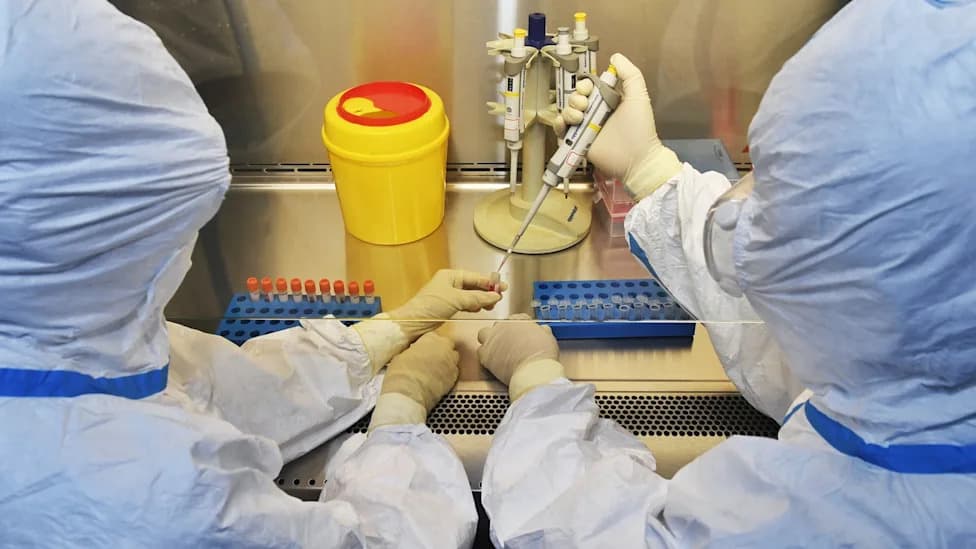
AI designs fully functional synthetic viruses, poses biosecurity and detection risks
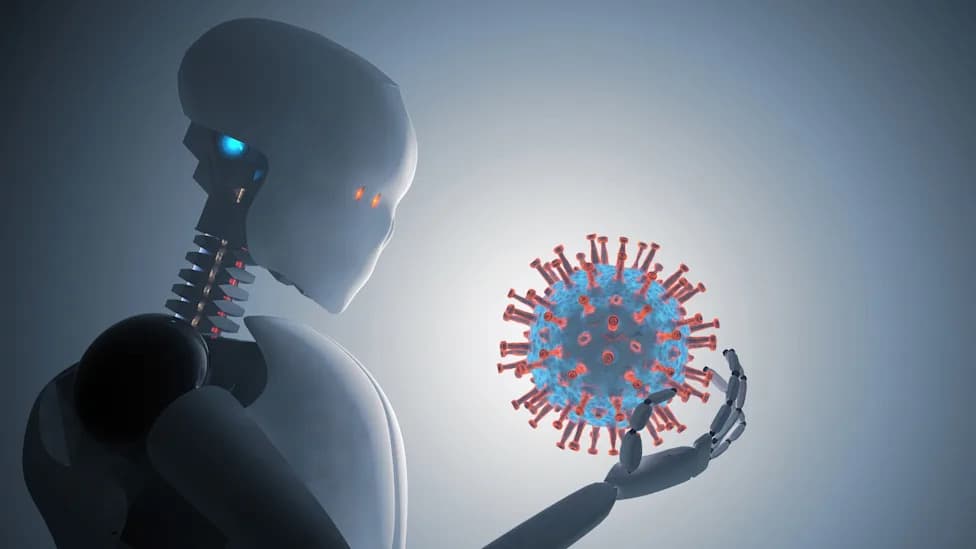
Researchers have used large generative AI models trained on viral genomic databases to design synthetic viral genomes that were synthesized and shown to replicate in laboratory conditions. While the specific viruses reported in the study are not judged to be highly dangerous, the experiment marks a significant shift: AI can now move beyond predicting protein structure or screening drug candidates and into directly designing genomes that behave like real viruses.
How the Study Worked
The team trained generative models—similar in concept to large language models, but predicting nucleotide bases instead of words—on many known viral genomes. The models learned statistical and structural patterns in those genomes and produced novel sequences. Researchers then used standard DNA synthesis techniques to build those sequences and confirmed that the constructs were capable of replication under controlled laboratory conditions.
Why This Is Concerning
Detection and Surveillance: Because the AI-generated genomes were not direct copies of known strains, they could evade biosurveillance systems that primarily search for matches with catalogued pathogen signatures. That gap makes it technically harder to flag novel, computer-designed agents using existing sequence-matching filters.
Dual-Use Risks and Lowered Barriers: Historically, creating and propagating a dangerous pathogen required specialized expertise in virology, microbiology, and cell culture. Generative AI can reduce some of those technical barriers: a user might now craft problematic sequences by prompt and order DNA synthesis, potentially lowering the threshold for misuse.
Oversight and Policy Gaps
Current DNA synthesis screening rules and many oversight mechanisms were designed to detect known threats listed in databases. They were not created to handle novel, AI-derived sequences that do not match existing records. Institutional biosafety committees, the U.S. Select Agent Program, and existing export controls were not written with this scenario in mind.
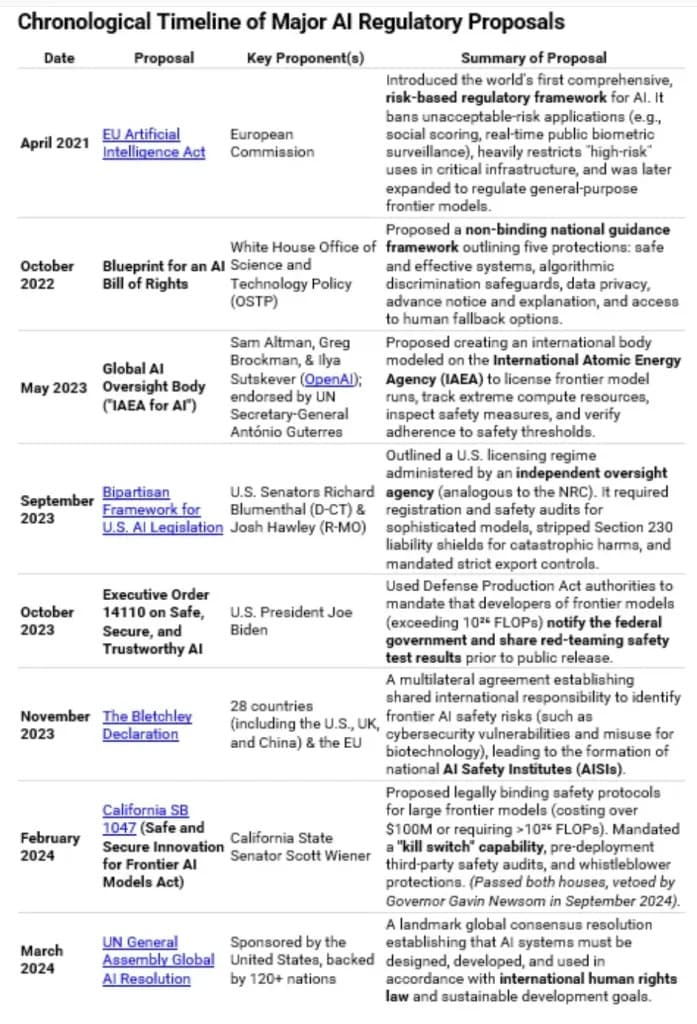
International coordination is also limited: the Biological Weapons Convention lacks a formal verification regime, and there is no global body with routine authority to audit AI-and-biology research analogous to the International Atomic Energy Agency for nuclear programs.
The Publication Dilemma
Open publication of methods supports reproducibility and scientific progress, but detailed protocols can also be misused. The research community is divided: some scientists argue for transparency to inform policy and improve defenses, while others contend that publishing fine-grained methods before safeguards are in place is premature and risky.
Possible Responses and Next Steps
Policy experts have suggested several measures, including mandatory AI-screening pipelines at commercial gene synthesis providers, improved industry-wide standards for sequence screening, and the development of technical tools to detect synthetic or AI-designed genomes. However, reliably detecting novel, computer-generated sequences remains technically challenging and not yet standardized across the sector.
Immediate challenge: Can gene synthesis companies, funders, regulators, and the international community agree on workable screening and governance standards before these capabilities become routine? The pace of AI-driven biology suggests that policy and technical safeguards should be prioritized now.
In short: the capability demonstrated is not necessarily an immediate biological threat from the specific sequences studied, but it highlights urgent gaps in detection, oversight, and international coordination that merit rapid attention.
Help us improve.