Iran has appointed IRGC commander Mohsen Rezaei as secretary of the Supreme National Security Council, replacing Mohammad Bagher Zolghadr. Tehran says it is not holding direct talks with Washington; exchanges are occurring through intermediaries and Oman may mediate a deal to reopen the Strait of Hormuz. U.S. officials say progress is possible, but any agreement would need approval from Iran's security council and Supreme Leader Ayatollah Ali Khamenei.
Iran Appoints Mohsen Rezaei as Security Chief Amid Talks Over Strait of Hormuz
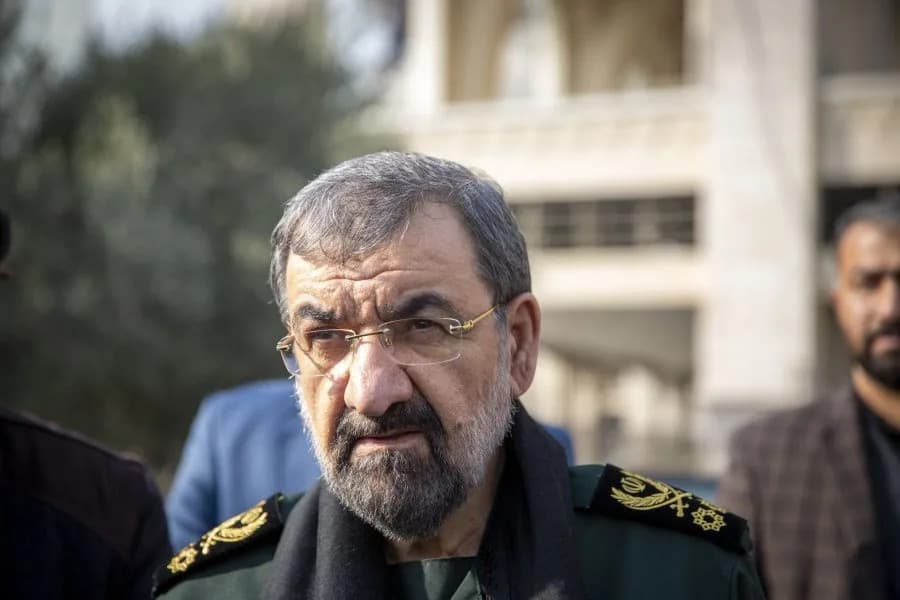
Mohsen Rezaei speaks to media in Tehran on Jan. 3, 2020. File Photo by Maryam Rahmanian/UPI
Aug. 9 — Iran has named Mohsen Rezaei, a commander in the Islamic Revolutionary Guard Corps (IRGC) and a former adviser to Supreme Leader Ayatollah Ali Khamenei, as secretary of the Supreme National Security Council, a spokesman for President Masoud Pezeshkian said late Sunday. Rezaei replaces Mohammad Bagher Zolghadr, who resigned and will serve as a political adviser to the supreme leader.
Zolghadr had been serving in the post since March. The personnel change comes as Iranian officials respond to reports that indirect talks with the United States could lead to an agreement to reopen transit through the Strait of Hormuz.
Diplomatic Signals and Mediation
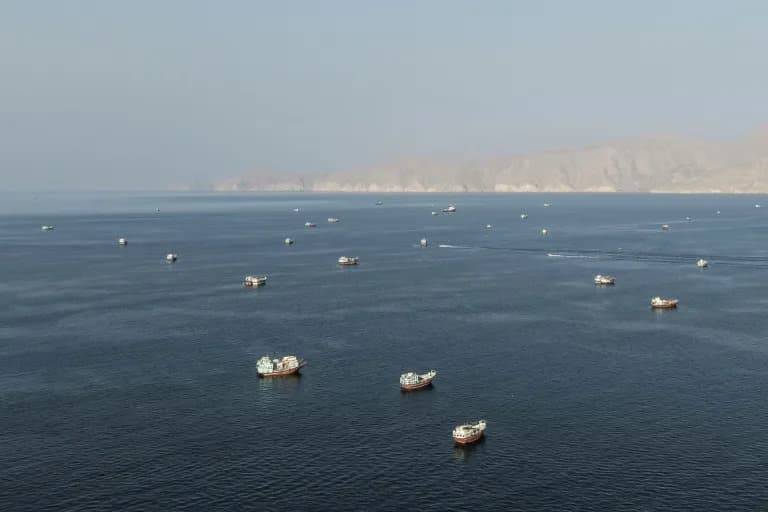
Foreign Minister Abbas Araghchi told the Mehr news agency that Iran is not engaged in direct talks with Washington. Instead, "messages are being exchanged through intermediaries," Araghchi said, suggesting that Oman could play a mediating role if a deal is reached to reopen a trade route through the waterway. He added that any arrangement would have to meet Iran's conditions.
U.S. Response
U.S. officials have indicated progress in negotiating a pathway to reopen the strait. President Donald Trump told Axios on Sunday that his administration is taking a restrained approach to negotiations:
"We are only semi-negotiating with them. We are just watching Iran with its huge inflation and the fact they have no money. It will work out. It always works out. It's like a chess game."
Analysts note that any formal agreement to reopen the Strait of Hormuz would require approval by Iran's Supreme National Security Council and the supreme leader.
Security Demands and Regional Context
On Saturday, Zolghadr called for the withdrawal of U.S. forces from areas near Iran, urged compensation for wartime damages and demanded that sanctions be lifted as part of any settlement. Iranian diplomats also said earlier that Tehran and Oman were close to reaching a new arrangement to manage transit through the strait.
What This Means: The leadership change signals Tehran's continued reliance on IRGC-affiliated figures for security posts while negotiations — described by Tehran as indirect and by some U.S. officials as materially advanced — remain sensitive and contingent on approval from Iran's highest authorities.
Help us improve.