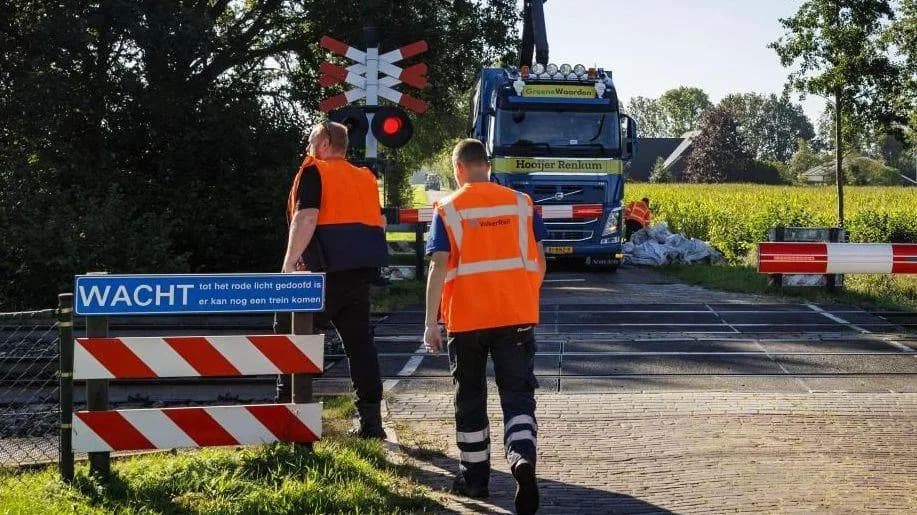
Moerdijk, a medieval Dutch village of roughly 1,150 residents, may be partly or wholly cleared for Powerport, a major energy and industrial hub meant to channel offshore wind power to busy European ports. Residents and local leaders have protested, hanging banners reading "Moerdijk must stay," and warn that prolonged uncertainty is already damaging community life. The new government has proposed a smaller footprint that might spare the village, but no final decision or deadline has been set.
Energy Transition Threatens Historic Dutch Village Moerdijk — Residents Protest Powerport Plan
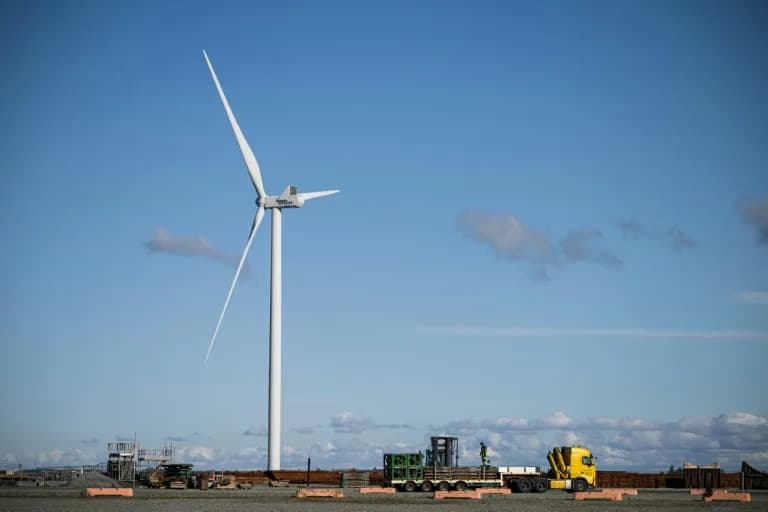
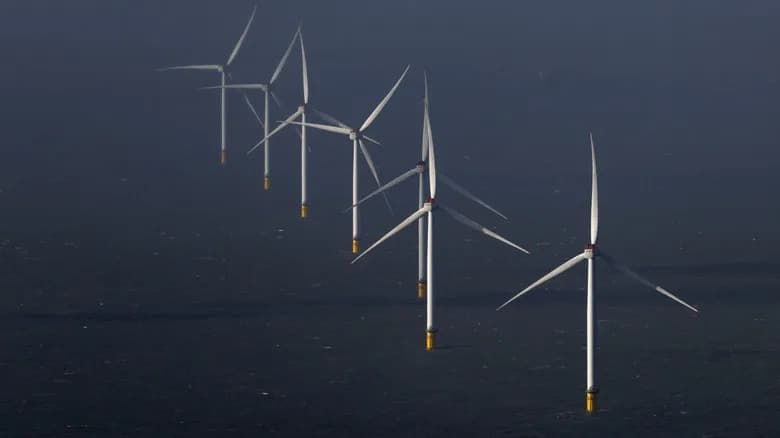
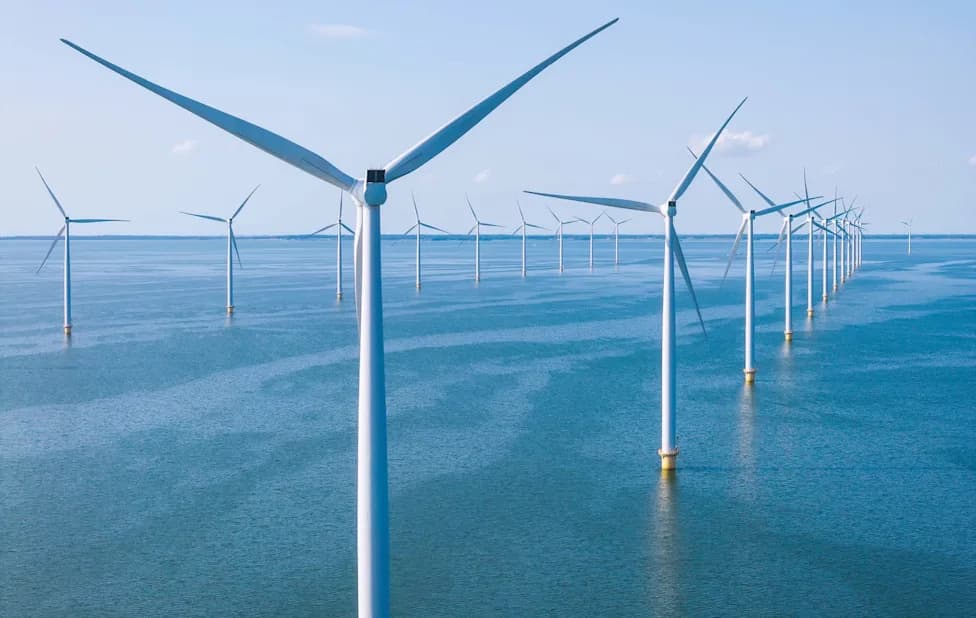
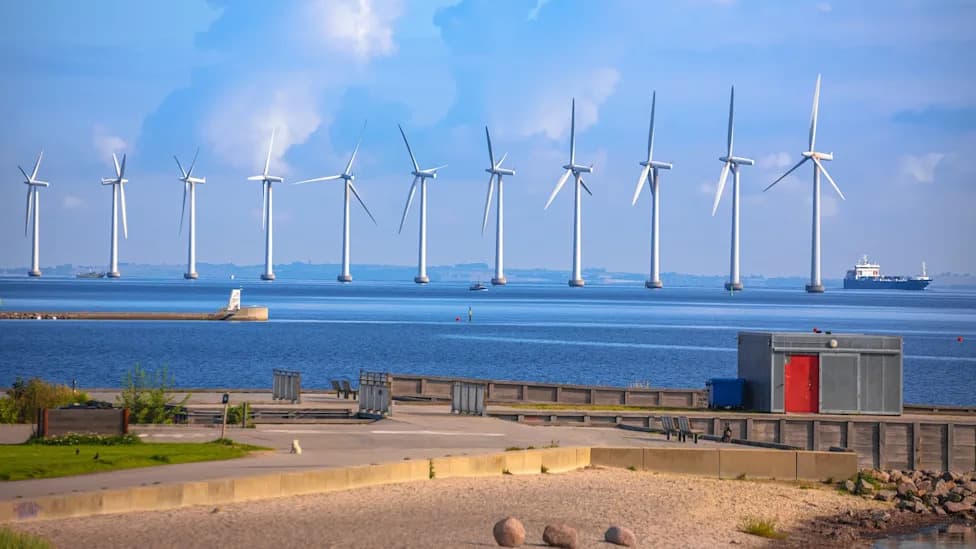
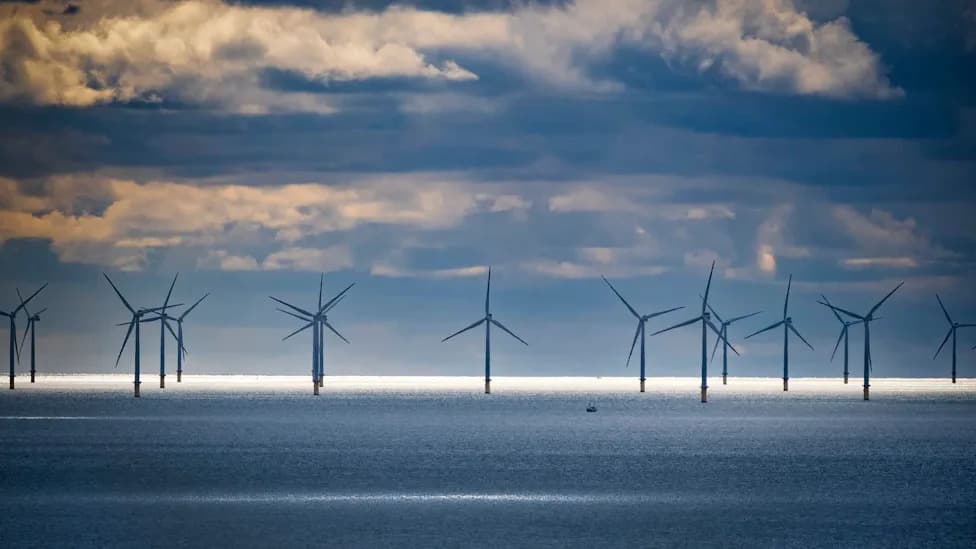
Offshore wind farms are powering the country's ports -- among Europe's busiest -- in a more sustainable way (Jonathan NACKSTRAND)
Moerdijk, a medieval port village of about 1,150 people in southern Netherlands, faces an uncertain future as national planners consider partially or wholly demolishing the settlement to make way for a large clean-energy and industrial hub.
The proposed programme, known as Powerport, would develop several hundred hectares of land for large-scale energy infrastructure, green industry and chemical recycling to channel offshore wind power to some of Europe’s busiest ports. Supporters say the site’s existing sea, rail and motorway links between Rotterdam and Antwerp make it technically ideal for clustering energy and port-related infrastructure.
Residents Say "Why Us?"
Many locals are baffled and angry. Pim Meijer, who represents a collective covering roughly half the village, told AFP:
"Why us? Why their village? There are people who were born and have grown up here — some in their 90s. Some families have lived in Moerdijk for three or four generations... You can't just leave all that behind you."
Protest banners reading "Moerdijk must stay" have appeared on homes as residents voice mistrust toward government plans. Some shopkeepers are curbing investment, properties are being neglected and families with young children have begun to move away amid the uncertainty.
Technical Case and Local Costs
Patrick Witte, an associate professor of land planning, described the location as "perfect" from an engineering standpoint because of its transport links and proximity to major ports. Authorities argue Powerport is needed to connect offshore wind power and relieve grid congestion.
But experts and locals warn of a different cost: even if Moerdijk itself is preserved on a smaller footprint, the village could be effectively surrounded by energy facilities, the port and a motorway, altering its character and quality of life.
Political Back-and-Forth Leaves Life In Limbo
After years of delays at the national level, the local council had reluctantly prepared for compensation and relocation. Recently, the new national government suggested Powerport could be implemented on a smaller site on the village’s outskirts, a revision that might spare Moerdijk. No final decision or timetable has been announced, leaving residents in prolonged limbo.
Mayor Aart-Jan Moerkerke said the municipality needs clear, durable guarantees:
"If the village is to be preserved, it must remain a pleasant place to live. We also need assurances they won’t return in 15 years with yet another plan. Residents have had enough."
Longtime resident Bob Spaans, 72, who raised a family and ran a joinery business in Moerdijk for 50 years, summed up the community’s fear:
"We just hope the village can be preserved. But in my opinion, they'll end up ruining Moerdijk. There’s a neighbourly culture here — that’s what we’re in danger of losing."
The government continues to evaluate options; until it sets a final course, Moerdijk’s residents will face uncertainty over their homes, heritage and way of life.
Help us improve.