Data centres are consuming a growing share of electricity and water, but facility-level disclosures are often unavailable despite EU reporting rules. A Lighthouse Reports and Trouw investigation found that in the Netherlands only a minority of qualifying sites publish usage figures, even though data centres used about 5,100 GWh in 2024. The transparency gap hinders grid planning, local environmental oversight, and public assessment of cloud and AI services. The article calls for mandatory, standardized, facility-level public disclosure and stronger enforcement.
Data Centers Are Hiding How Much Power and Water They Use — Time for Mandatory Facility-Level Disclosure

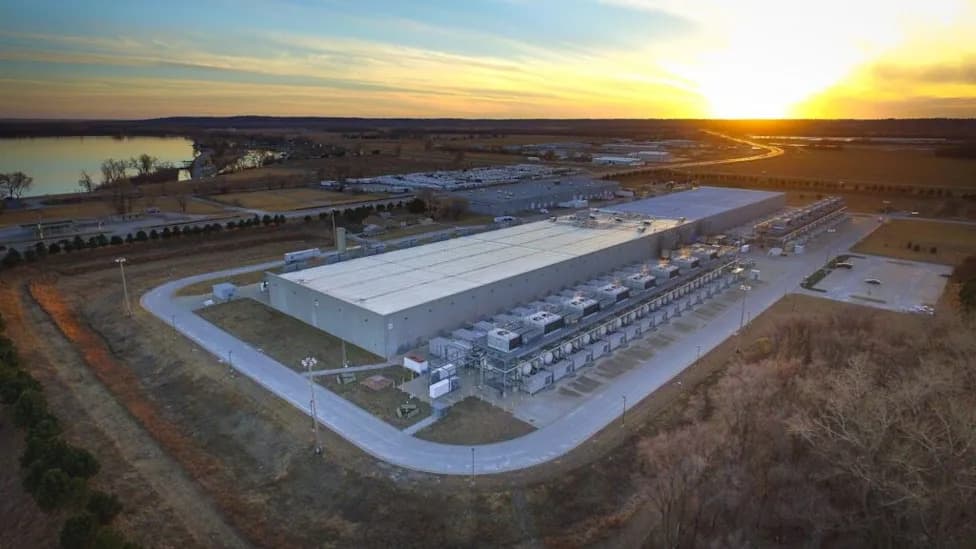
Image: Meta Data Center - Europe
Data centers power the apps, AI tools, and streaming services we use every day, yet much of their electricity and water consumption remains hidden from the public. In the Netherlands alone, data centres used about 5,100 GWh of electricity in 2024 — roughly the annual consumption of nearly two million households — but fewer than one in four qualifying facilities publish facility-level usage figures.
Legal Rules, Limited Access
Under the European Energy Efficiency Directive, data centres with installed IT power of at least 500 kW must report energy and water consumption. The reporting rules were shaped by the 2023 Directive and a 2024 delegated regulation that defined reporting categories and deadlines. Yet a cross-border probe by Lighthouse Reports and Trouw found that much of the required information is absent or effectively inaccessible to the public.
Case Study: The Netherlands
The Dutch Datacenter Association counted 186 commercial data centres meeting the threshold at the end of 2025. The Netherlands Enterprise Agency (RVO) had records for only 104 of those sites, with public electricity figures available for 44 facilities and public water figures for 47. In short: some data exists inside government systems, but the public and local communities often can’t see it.
Rising Demand, Real Consequences
Statistics Netherlands reported that data centres accounted for 4.6% of national electricity consumption in 2024, up from 3.3% in 2021 — a 37% rise in three years. Grid operator TenneT projects that share could rise to 10%–15% by 2030, in a country already facing grid constraints that delay housing projects and new business connections.
RVO records reportedly indicate Microsoft’s largest Dutch facility alone uses roughly 1% of national electricity consumption. Europe-wide estimates compiled from incomplete reporting (cited in Politico’s coverage of the probe) place 2025 consumption at roughly 20.7 TWh of electricity and 8.75 million m³ of water — likely a lower bound because many facility-level disclosures are missing.
Why Transparency Matters
Incomplete disclosure has practical consequences: grid operators need facility-level demand data to plan capacity and avoid costly delays; local water supplies can be stressed when clusters of centres draw from the same potable source during droughts; residents and local planners lack the information needed to assess environmental impacts; and customers cannot easily appraise the environmental footprint of cloud and AI services they use.
Commercial Sensitivity vs. Public Interest
Operators argue that detailed figures can reveal commercially sensitive information — workloads, efficiency and infrastructure details. Authorities sometimes cite confidentiality rules. But commercial sensitivity is not a blank check for near-total opacity. The odd reality is regulators may hold more data than they publish, creating a transparency gap that undermines public trust and planning.
How To Fix It
Mandatory, public, facility-level disclosure — not just reporting to agencies that withhold data.
Enforcement must reconcile the difference between industry counts (186 facilities) and the regulator’s tracked sites (104). Reporting should use standardized metrics that separate potable water from reclaimed or closed-loop sources and distinguish purchased renewable energy from standard grid electricity, so figures are comparable across operators. Local authorities and grid operators should receive timely, machine-readable data to support planning and community oversight.
Conclusion
Transparency about data-centre consumption is not a theoretical policy debate: it’s a near-term planning issue as these facilities claim a growing share of national grids and local water resources. Communities absorbing that growth deserve clear, comparable, and enforceable disclosure so they can plan for — and hold accountable — the infrastructure that underpins the digital economy.
Help us improve.