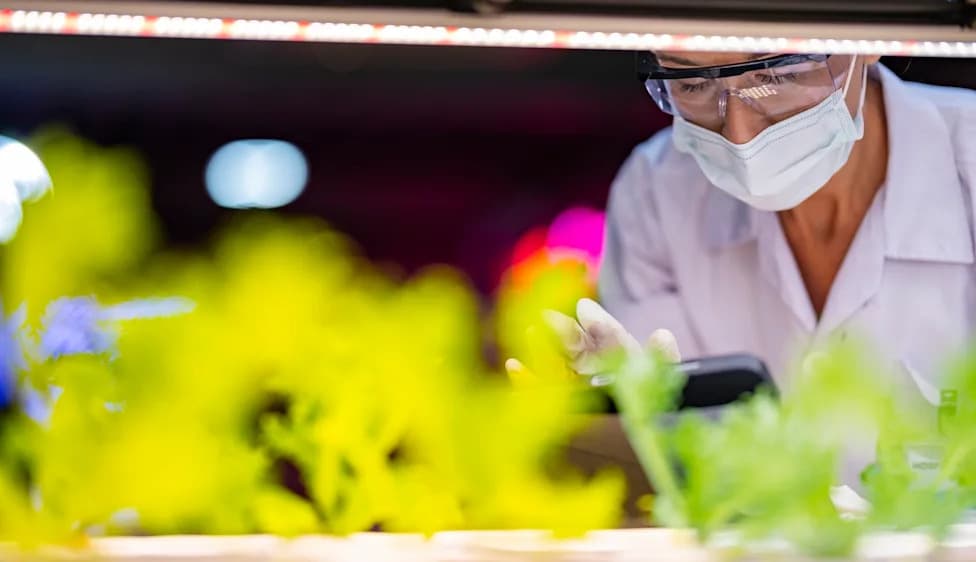
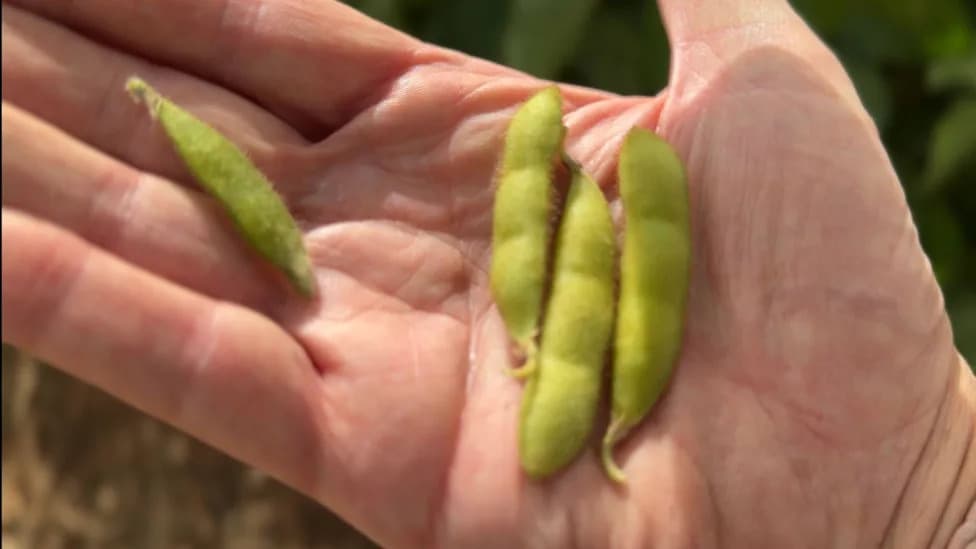
Researchers have engineered lettuce and tobacco chloroplasts to produce the animal protein myoglobin by inserting pig-derived genes using a biolistic "gene gun." The modified plants produced about 800–810 mg of myoglobin per kilogram of dry weight — roughly one-tenth of beef's levels — and passed the trait to their offspring. Authors suggest plant-derived myoglobin could be scaled as an ingredient for plant-based meats, but experts stress safety, regulatory review, and sustainability testing before consumer use.
Scientists Engineer Lettuce to Produce Meat Protein Myoglobin — A Possible Boost for Plant-Based Foods
Shutterstock / Futurism
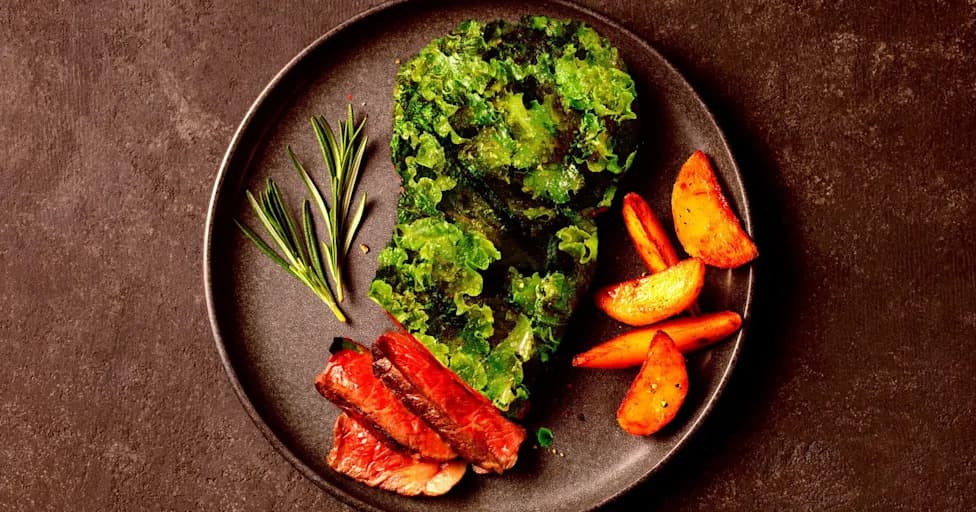
Researchers have genetically modified lettuce and tobacco to produce myoglobin, an animal protein that contributes to meat's color and some sensory qualities. The work, published in Frontiers in Plant Science, demonstrates for the first time that higher plants can stably express myoglobin in their chloroplasts — and pass the trait to offspring.
How They Did It
An international team used a biolistic particle delivery system — commonly called a "gene gun" — to insert pig-derived myoglobin genes into the chloroplast genomes of lettuce and tobacco seedlings. The researchers targeted chloroplasts because their bacterial ancestry and high copy number per cell make them well suited for producing large amounts of protein compared with the cell nucleus.
Results
Transformed plants incorporated the pig DNA into the chloroplast genome. Mature plants produced seeds whose progeny retained the inserted gene, demonstrating stable inheritance across generations. The engineered lettuce and tobacco yielded approximately 800 mg and 810 mg of myoglobin per kilogram of dry weight, respectively — roughly one-tenth the myoglobin content typically found in beef on a dry-weight basis.
Why This Matters
Although the myoglobin levels are lower than in meat, plant cultivation is far more resource-efficient than livestock production. The authors argue that, on a per-hectare basis, plant-derived myoglobin could be competitive due to lower water use and greenhouse gas emissions. If scaled and processed (for example, dried and incorporated into plant-based meat formulations), plant-produced myoglobin might help improve the color, flavor cues, and protein content of meat alternatives.
"This is very relevant at a time when the demand for sustainable food production platforms is greater than ever," said lead author Alexia Groff, a plant biotechnology researcher at Imperial College London.
Other experts welcomed the advance but urged caution: the safety of food products containing heterologous animal proteins must be thoroughly evaluated, and the environmental and economic sustainability of large-scale production still needs assessment. Rodrigo Ledesma-Amaro of Imperial College London's Bezos Center for Sustainable Protein described the study as an important step toward using plants as scalable, low-input production platforms alongside microbial fermentation.
In short, the study opens a new path in food biotechnology that could complement microbial fermentation and broaden options for producing meat-like proteins with a smaller environmental footprint — provided regulatory approval, safety testing, and public acceptance can be achieved.
Help us improve.