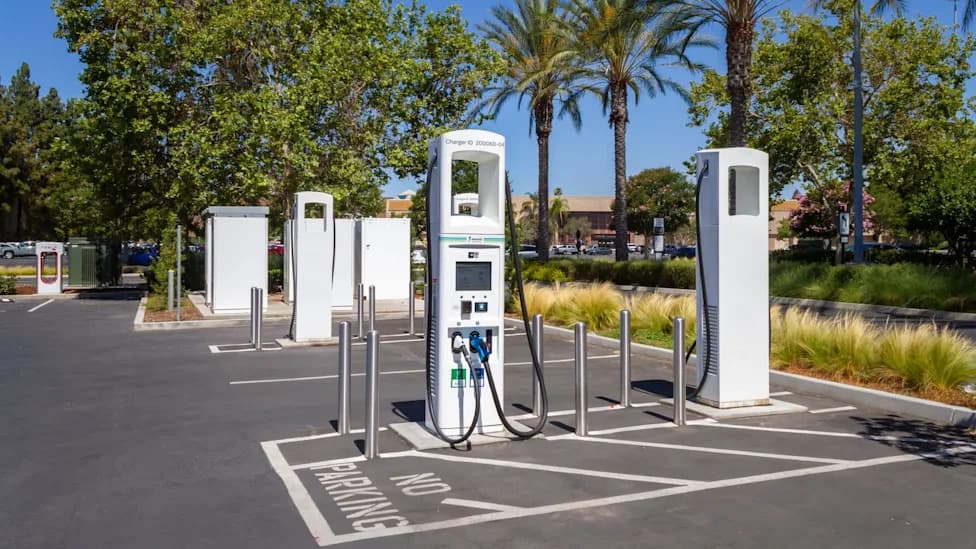
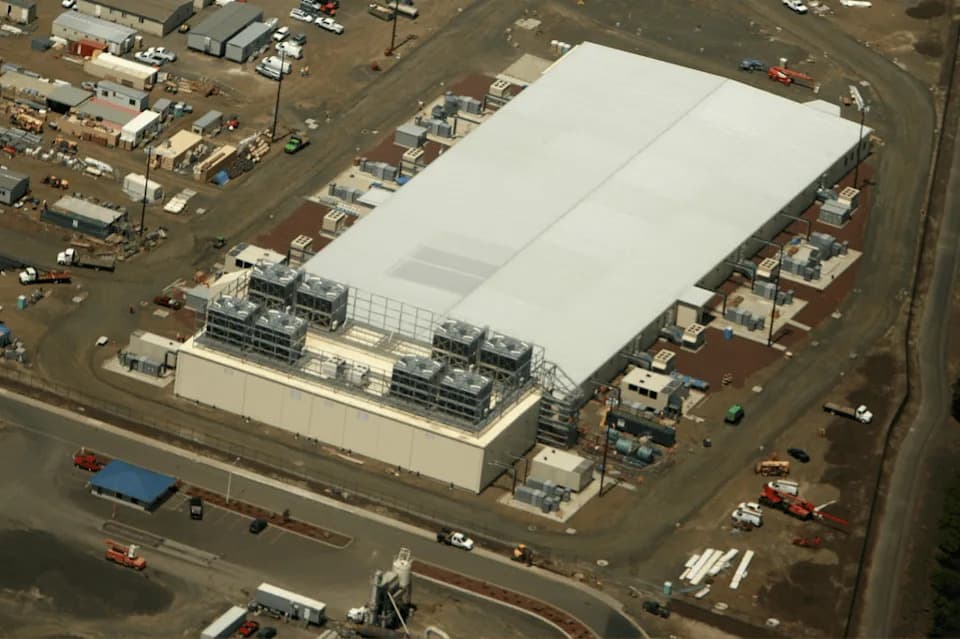
Florida Is Considering Redirecting $198M In NEVI Funds To eVTOL Vertiports. FDOT proposes installing chargers at 32 vertiports at an estimated $5.6 million per site, potentially sited at airports, military bases, luxury residences, and golf courses. Critics warn the move could divert funds from public highway fast chargers intended to serve rural and underserved areas, even as Florida has over 450,000 EVs and 452 fast-charging stations. eVTOLs remain experimental, and the shift raises equity and pollution-reduction concerns tied to public spending priorities.
Florida Wants to Reallocate $198M in EV Charger Funds to Build an ‘Aerial Highway’ for eVTOLs
Photo Credit: iStock
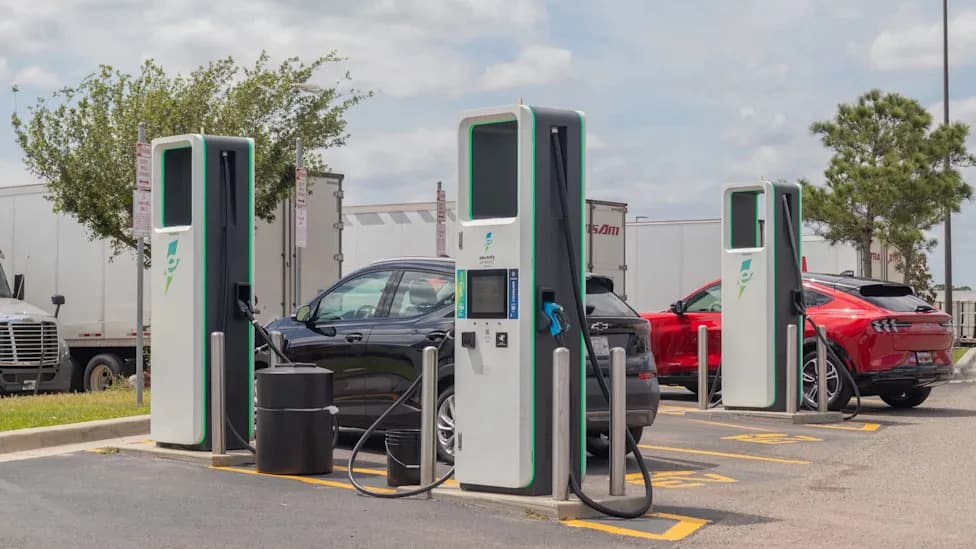
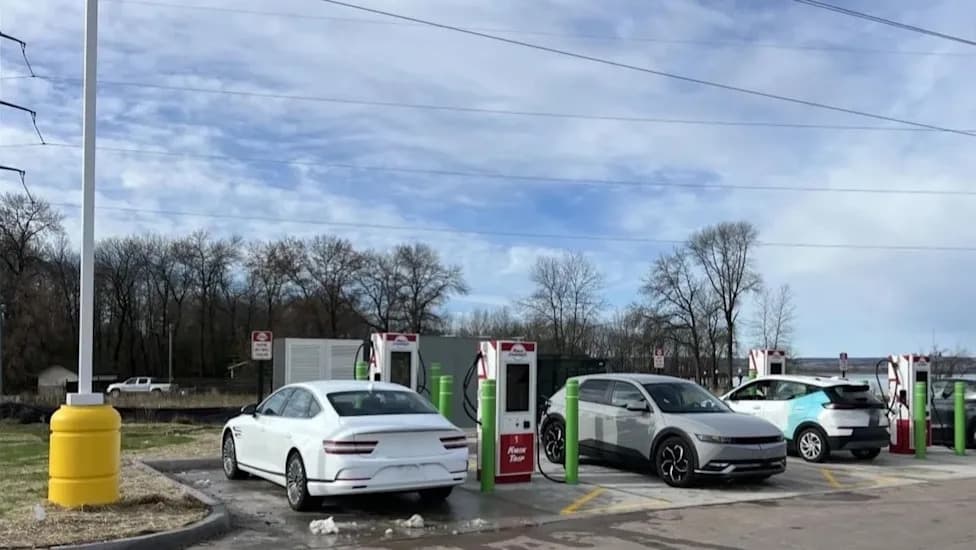
Florida officials are weighing a controversial plan to repurpose nearly $198 million in federal National Electric Vehicle Infrastructure (NEVI) funds—originally intended to expand highway fast chargers for everyday drivers—toward building charging infrastructure for electric vertical takeoff and landing aircraft (eVTOLs).
What’s Proposed
The Florida Department of Transportation (FDOT) has proposed installing charging equipment at 32 so-called vertiports—takeoff and landing hubs for electric air taxis. Planning documents reviewed by the Miami Herald estimate roughly $5.6 million per site. Potential locations include airports, military bases, luxury apartment complexes, and golf courses.
Why It’s Controversial
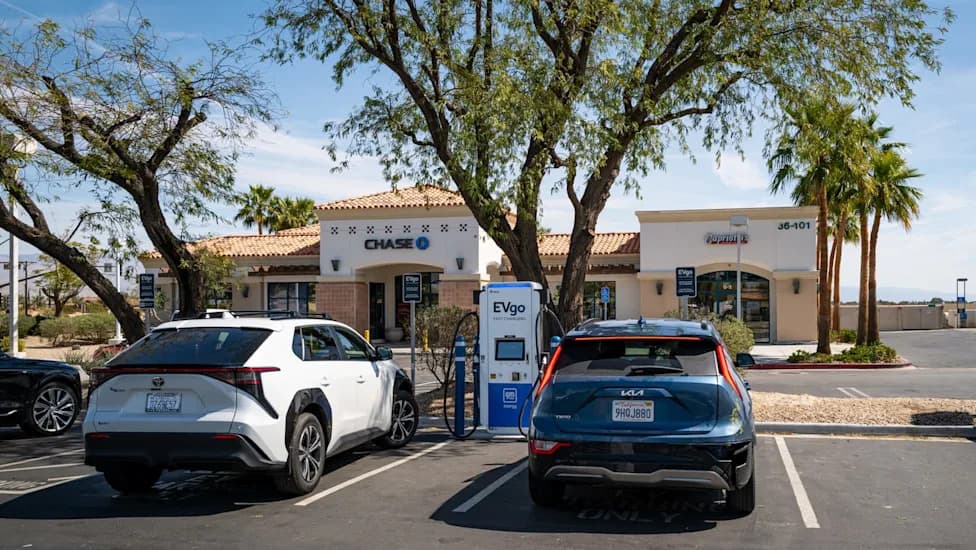
NEVI funds were created to fill public charging gaps—especially along highways and in rural or underserved areas where private companies may not build fast chargers. Critics say shifting nearly $200 million to vertiports risks leaving many Florida drivers without reliable access to public fast charging, even as the state has more than 450,000 registered electric vehicles and about 452 fast-charging stations.
FDOT documents state the agency "will not waste taxpayer dollars and spend it on everyday passenger vehicles" and instead wants to support "a new emerging mode of transportation that provides passenger service and fulfills the transportation needs in our state."
Unproven Technology
Proponents point to the potential of air taxis and private investment. But eVTOL aircraft remain experimental: companies such as Joby Aviation have completed test flights and demonstrations, but no eVTOL has launched commercial air-taxi service in the United States to date.
Equity, Public Benefit, And Environmental Stakes
Opponents argue the plan could prioritize affluent users—vertiport sites at golf courses and luxury towers—over broader public needs. A robust public fast-charging network makes cleaner transportation practical for families, commuters, and long-distance travelers, and helps reduce tailpipe pollution. The Environmental Protection Agency has estimated that stricter vehicle emissions rules could prevent roughly 40,000 premature deaths and keep tens of thousands out of hospitals over time.
Rules, Private Investment, And Next Steps
Under federal NEVI rules, states must meet corridor deployment requirements before applying remaining funds to other priorities; FDOT says this is the basis for its proposal. Private networks—including Tesla, Electrify America, ChargePoint, Ionity (Ionna), and retail partners such as Walmart—are expanding charging coverage, but public programs were specifically designed to fill gaps private builders often leave behind.
The proposal highlights a broader policy choice: should limited public dollars shore up proven public needs—highway fast chargers and underserved communities—or be used to seed infrastructure for an emerging transport mode that has not yet demonstrated commercial viability or equitable public benefit?
Help us improve.