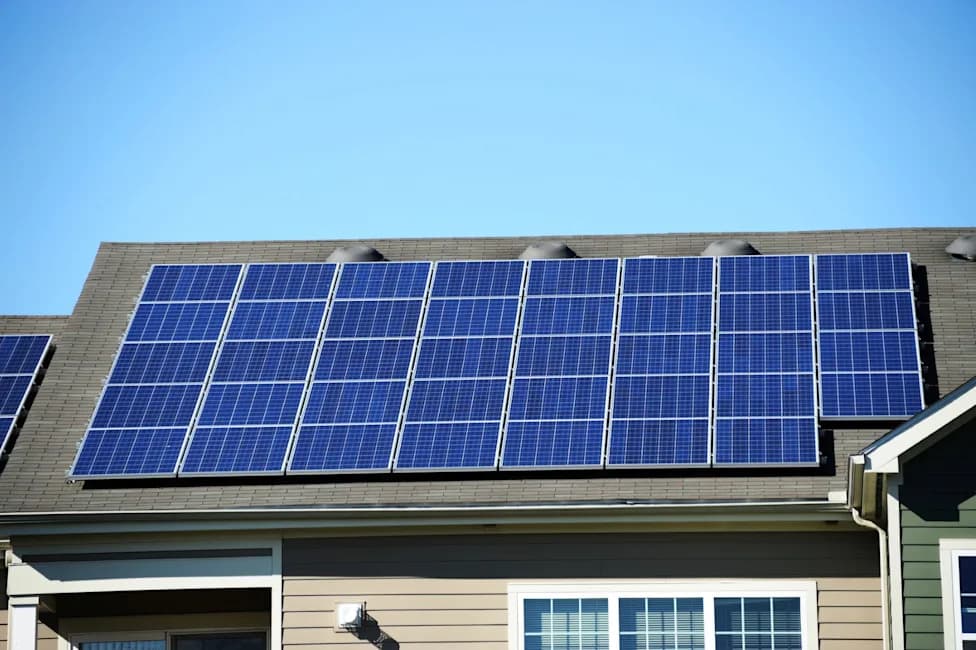
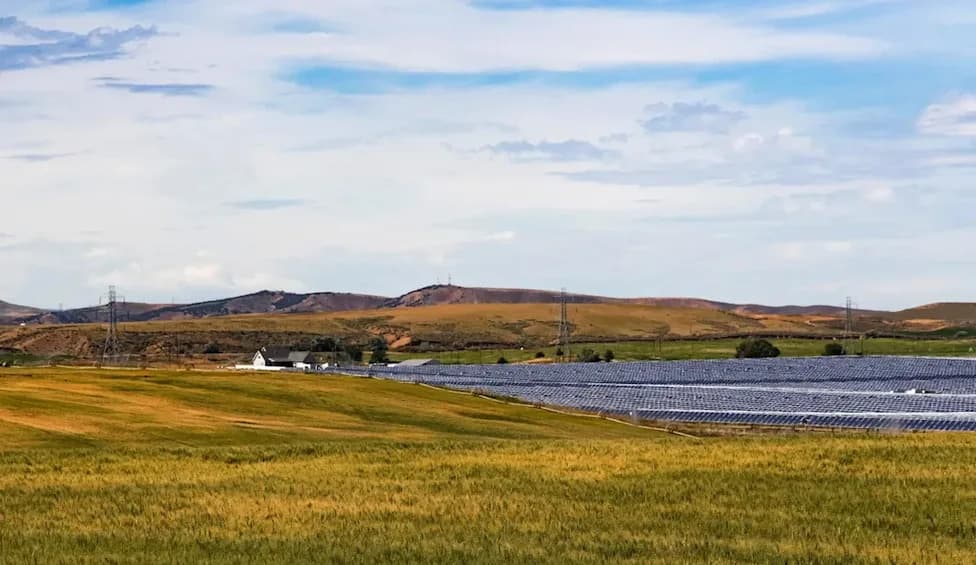
In May 2026 Utah generated more electricity from solar than from any other source for the first time, producing nearly 1 terawatt-hour and about one-third of the state's output. Major projects such as the Green River Energy Center (400 MW solar + 400 MW storage), Faraday Solar (up to 685 MW to Meta) and Elektron substantially boosted capacity. The change has driven job growth, attracted significant investment, and pushed coal's share from as high as 78% in 2017 to under one-third by spring 2026. Experts say solar, paired with wind and battery storage, improves air quality, grid reliability and economic opportunity even as some policy and planning uncertainties remain.
Utah’s Solar Output Tops Coal and Gas in May 2026 as Major Projects Drive Rapid Shift
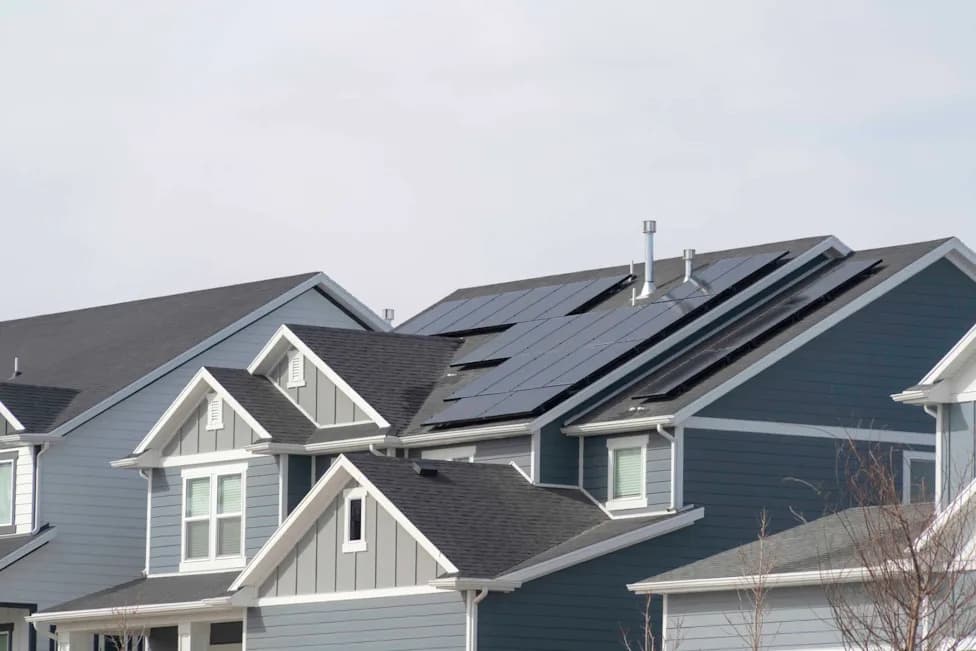
Photo Credit: iStock
In May 2026 Utah generated more electricity from solar than from any other single source for the first time, marking a major milestone in the state's transition away from coal. Data compiled by Ember and reported by Grist show Utah's utility-scale solar facilities produced nearly 1 terawatt-hour of electricity that month, accounting for roughly one-third of the state's generation.
What the Numbers Show
Ember's monthly breakdown placed natural gas at about 32% of generation, coal at 28%, wind at roughly 2%, and solar at approximately one-third of Utah's power mix for May 2026. The shift reflects a broader multi-year trend: coal supplied between 64% and 78% of Utah's electricity in 2017 but fell to less than one-third by spring 2026.
Big Projects, Big Impact
Large-scale solar and storage projects have driven much of the recent growth. The Green River Energy Center — a 2,500-acre development that came online in spring 2026 — added 400 megawatts (MW) of solar paired with 400 MW of battery storage. Excelsior Energy Capital's Faraday Solar began delivering up to 685 MW to Meta's Utah data center in fall 2025, and the Elektron Solar Project has supplied power to Salt Lake City, Park City and Summit County since June 2024.
Complementary Wind And Storage
Wind additions across PacifiCorp's regional system are also changing seasonal generation patterns. New turbines, including the 400 MW Rock Creek II project, helped make wind the leading source across the larger portfolio in December 2025 and January 2026. Analysts note that wind tends to produce more in winter while solar peaks in summer, and battery storage helps shift daytime solar output into evening hours.
"The trend of more and more solar in Utah is wonderful news for air quality, it's wonderful news for the climate, and it's wonderful news for jobs and the economy," said Dan Schroeder, a physics professor at Weber State University who closely follows energy data.
Economic And Environmental Benefits
Expanding solar and storage reduces reliance on volatile fuel markets and cuts pollution associated with burning coal and natural gas. According to the Solar Energy Industries Association data summarized by Grist, Utah's solar industry supports nearly 8,000 jobs and comprises about 132 companies, including developers and manufacturers. Investors committed around $1.5 billion to Utah's solar market in 2025 alone.
By contrast, federal labor figures show roughly 1,291 Utah jobs in oil and gas extraction (2025) and about 1,059 coal mining jobs (2023, the most recent available figure), underscoring the shifting employment landscape as clean energy scales up.
Challenges And Outlook
Despite rapid growth, challenges remain: some federal support for wind and solar has been reduced and PacifiCorp has delayed or re-evaluated portions of its renewable development plans. Utility resource plans and market conditions continue to evolve.
Still, analysts and advocates expect milestones like May 2026 to become more common as solar, wind and storage continue to reshape the grid. "Utah still has room to grow its solar percentage," Schroeder said, and Logan Mitchell of Utah Clean Energy predicted the regional transition will keep producing similar milestones.
Help us improve.