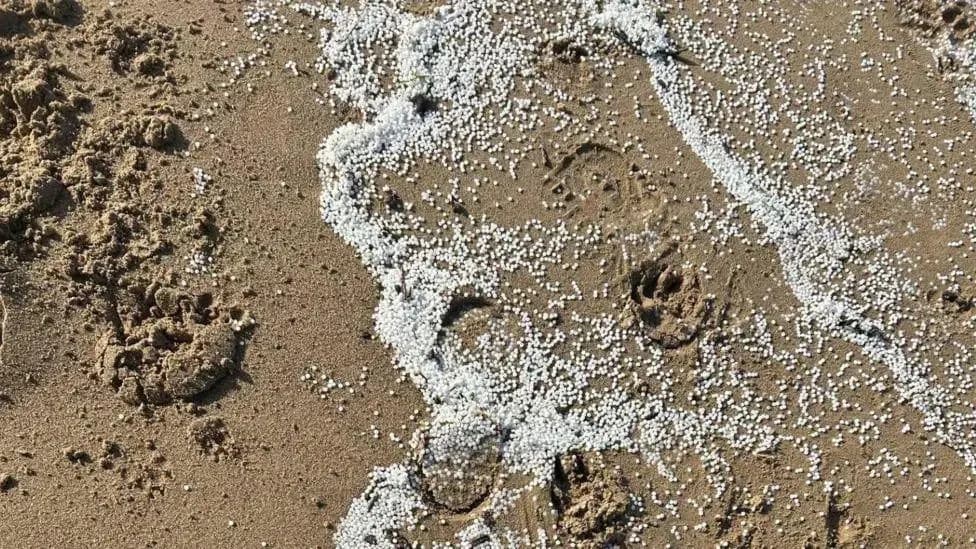
Tiny plastic pellets called nurdles spilled into the North Sea after a collision at the Port of Tyne, and footage shows seabirds apparently picking them up on Tynemouth's Low Lights beach. The RSPB warns birds risk choking or starvation and that pellets can enter the wider food chain, with fish already found carrying nurdles. An Environment Agency investigation is under way while campaigners and local officials debate the speed and coordination of the clean-up. Conservationists stress the pellets are highly persistent and long-term impacts may take years to appear.
Port of Tyne Nurdle Spill: Seabirds Seen Eating Plastic Pellets, RSPB Warns Of Long-Term Harm
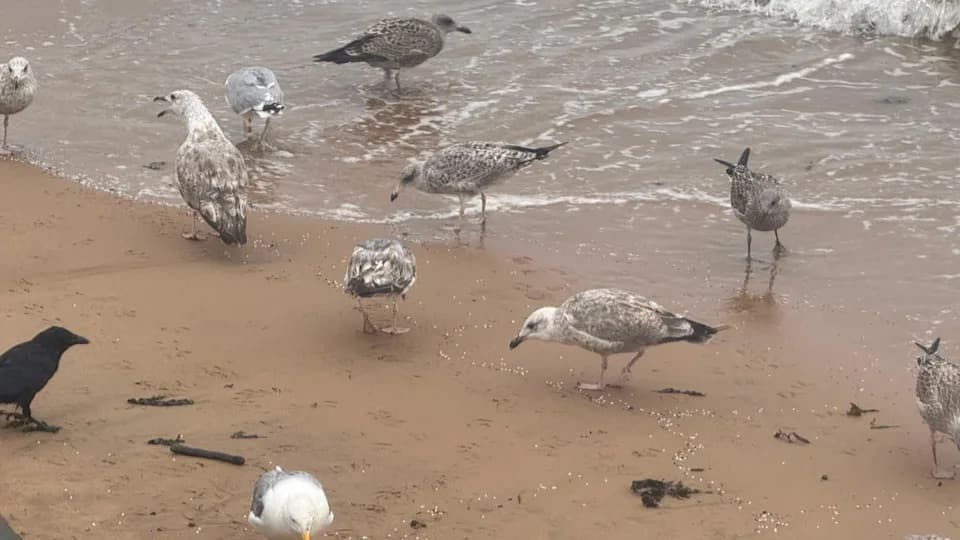
The RSPB said birds risked choking or starving by eating small plastic pellets [UGC/Sonja Bär]
Birds have been seen apparently ingesting nurdles — tiny plastic pellets — on Low Lights beach in Tynemouth after tonnes of the pellets washed into the North Sea following a collision at the Port of Tyne. Conservation groups warn the spill could have immediate and lasting impacts on seabirds and the wider marine food chain.
What Happened
Two vessels collided at the Port of Tyne, damaging two shipping containers and releasing large quantities of nurdles into the sea. In the days after the incident, pellets were reported along stretches of coastline as far afield as Northumberland and Sunderland. An investigation by the Environment Agency (EA) is under way.
Risks To Wildlife
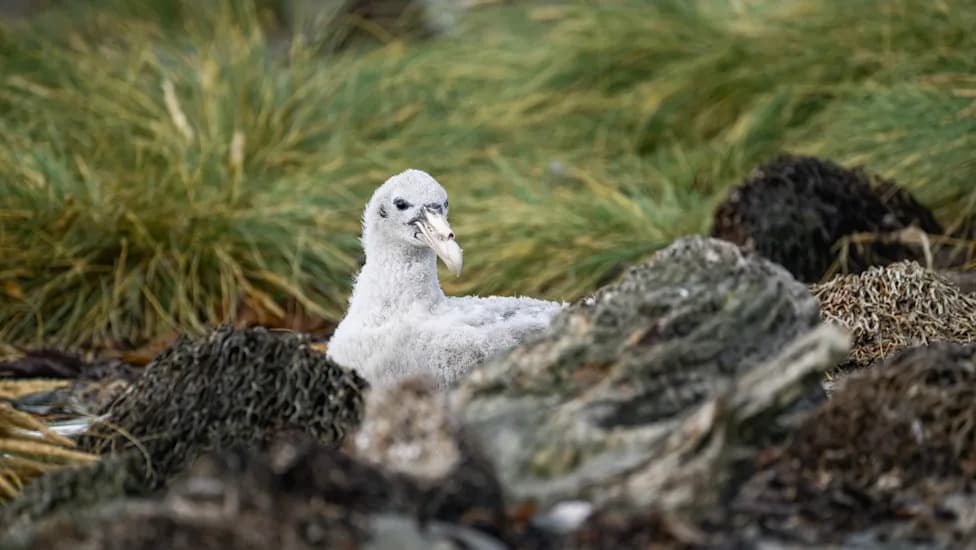
The Royal Society for the Protection of Birds (RSPB) warns the timing is particularly worrying because many species are actively feeding both themselves and their chicks. RSPB marine policy officer Zia Fikardos explained that birds that swallow hard plastic pellets risk choking, and that stomachs filled with plastic cannot hold nutritious food, potentially causing starvation. She also noted that predators can ingest nurdles indirectly by eating fish that have already taken them in.
Plastics are already widespread in our seas, and nurdles are highly persistent: if not recovered they can remain in the marine environment for decades and may take years to reveal their full impact.
Local Findings And Response
The Tyne Rivers Trust reported finding fish with nurdles in their guts and described the event as an environmental disaster. The RSPB said it had not yet recorded sick or dead birds at its North East reserves, Saltholme and Coquet Island, but cautioned that monitoring pollution effects is not its primary role. Seabird populations are already under pressure from climate change, declining prey, disease, bycatch and habitat loss, which could compound the effects of this spill.
Cleanup And Controversy
Volunteers have taken part in nurdle collection along affected beaches, but campaigners say the clean-up response has been too slow. North East Mayor Kim McGuinness criticised the Environment Agency for an allegedly limited presence, while the Port of Tyne says it acted quickly to contain the spill. The EA states it has been actively involved from the outset and is working with local authorities, the port and community groups.
What Comes Next
The EA investigation will examine the scale and cause of the release and inform further clean-up and mitigation efforts. Conservation groups urge continued monitoring of wildlife, coordinated removal of pellets where practical, and improved safeguards to reduce the risk of similar incidents in the future.
Help us improve.