Researchers estimate nearly 18 tonnes of plastic nurdles spilled into the River Tyne after a ship collision, but only about 5.14 tonnes (28%) have been recovered. Scientists say pellets have likely dispersed into the North Sea and may continue to wash ashore depending on weather and tides. An independent review has been commissioned and officials are pushing for changes to international rules on transporting nurdles.
Only 28% Recovered After Tyne Nurdle Spill — Pellets Likely To Keep Washing Ashore
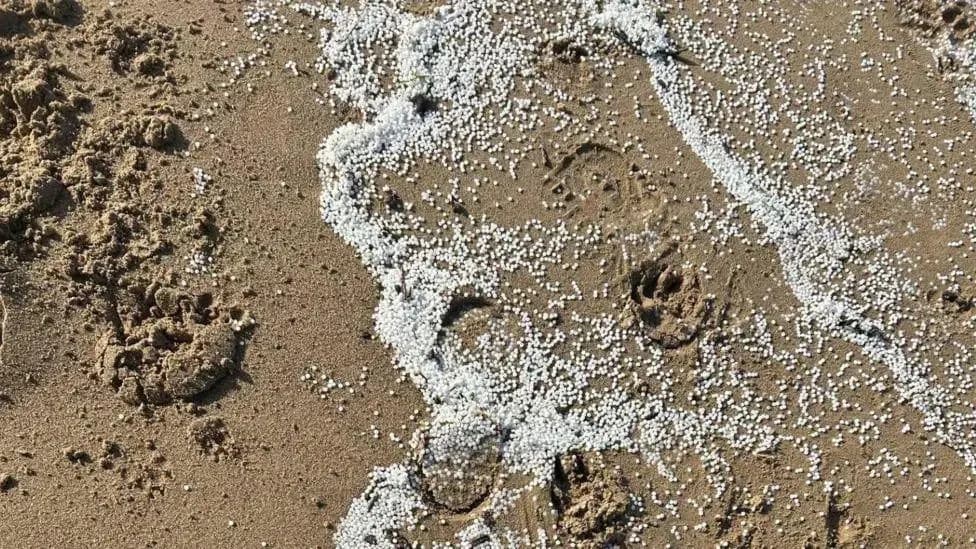
Millions of plastic nurdles washed up on beaches following the ship collision [BBC]
Researchers say only around 28% of the plastic nurdles that spilled into the River Tyne have been recovered, and many more are expected to continue washing up on beaches for weeks or months. An estimated 18 tonnes of nurdles entered the river in July after a collision between ships at the Port of Tyne; volunteers and agencies have so far collected about 5.14 tonnes.
What Happened and What Has Been Recovered
Newcastle University and the Centre for Environment, Fisheries and Aquaculture Science (Cefas) combined recovery data with modelling to estimate the scale of the spill. Despite thousands of volunteer hours cleaning shorelines across the region, only 5.14 tonnes have been retrieved — roughly 28% of the estimated 18 tonnes lost.

McGuinness said she is backing calls for a change to international rules on how nurdles are carried [BBC]
Where The Nurdles Went
The researchers warn that many pellets are likely to have dispersed beyond the Tyne estuary into the North Sea, while some may remain within the river system and continue to appear on beaches depending on weather, wind and tidal patterns. Nurdles have been recorded washing ashore as far as about 30 miles from the incident site.
Response, Review and Policy Calls
North East mayor Kim McGuinness has commissioned an independent review of the response and recovery effort and is backing calls for changes to international rules on transporting plastic pellets. South Tyneside Council's director of community operations, Gary Kirsop, said the multi-agency group leading the clean-up "remained committed" to ongoing recovery work.
Dr Robert Bradburne, chair of the Scientific and Technical Advice Cell (STAC), noted that modelling cannot pinpoint exactly when and where individual nurdles will wash ashore and that full recovery of every pellet is not considered achievable: "Ongoing monitoring remains important and the situation should continue to be reviewed as further evidence becomes available."
Ongoing Efforts and Environmental Concerns
Volunteers and community groups have continued beach-clearing operations. Authorities and environmental organisations stress that long-term dispersal depends on seasonal weather, prevailing winds and tidal movements, so more nurdles are likely to arrive on beaches in the coming weeks and months. The incident has renewed calls for stronger international safeguards and better practices for transporting small plastic pellets to prevent similar spills.
Help us improve.