Iran is pressing military pressure to compel U.S. acceptance of de facto control over the Strait of Hormuz. Tehran believes U.S. logistical limits, domestic opposition to the war and the economic pain caused by a restricted strait strengthen its hand. Officials say they are close to an arrangement with Oman but demand the U.S. end the war, lift blockades and sanctions, and release frozen assets before reopening passage. Analysts warn the move would boost Iran’s regional leverage but risks severe economic strain and domestic unrest.
Iran Bets Military Pressure Will Force U.S. Acceptance Of Control Over The Strait Of Hormuz
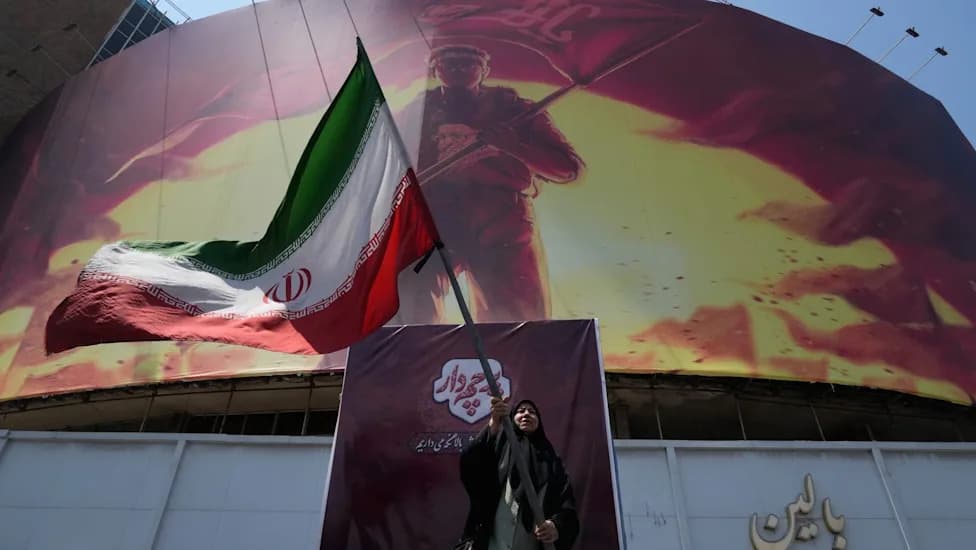
Iran bets military pressure will force US to accept control of the strait
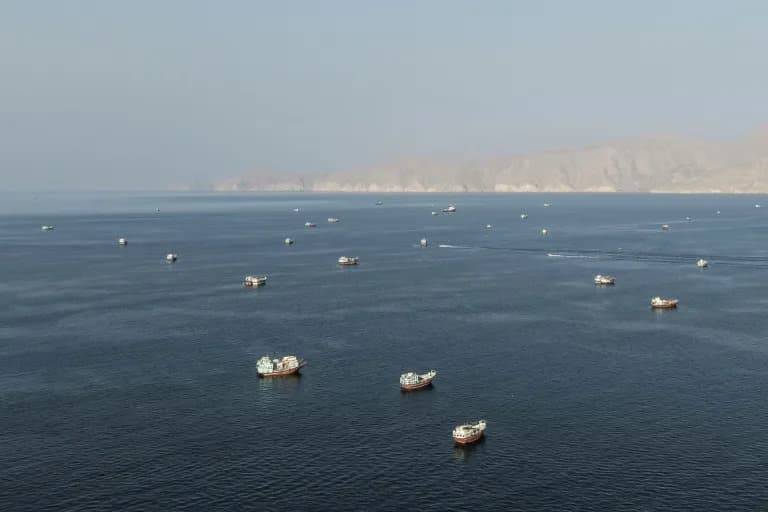
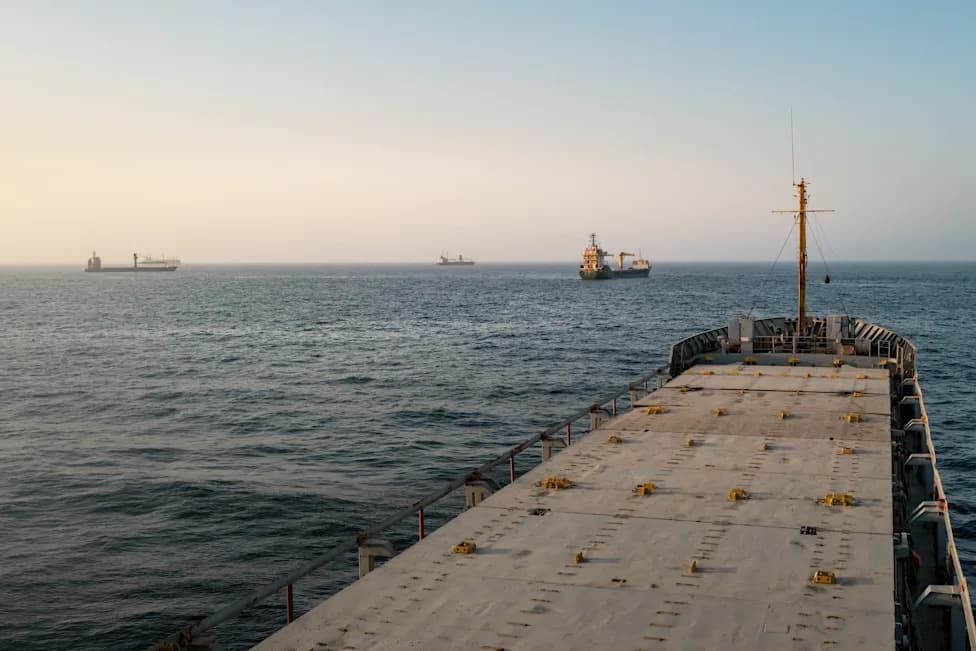
The Strait of Hormuz — a narrow but vital maritime chokepoint that once carried roughly one-fifth of the world’s traded oil and gas — has become central to Iran’s strategy in the conflict with the United States. Tehran appears to be using sustained military pressure to try to compel Washington to accept de facto control over the waterway.
Iran’s Calculations
Iranian leaders are wagering that a mix of military pressure and diplomatic maneuvering will create conditions the U.S. cannot ignore. Their calculations include dwindling U.S. stockpiles of key defenses such as advanced missile interceptors, strong domestic opposition to prolonged conflict in the United States, the economic cost of a partially closed strait that keeps fuel and goods prices high ahead of U.S. elections, and the high human and political cost of any U.S. effort to reopen the waterway by force.
Tehran also counts on allied groups such as Yemen’s Houthi movement to widen the conflict and disrupt other trade routes, amplifying global supply-chain pain and increasing pressure on Washington and its partners.
What Tehran Wants—and What It Demands
Iran says it is close to reaching an arrangement with Oman to manage the strait, which lies between the two countries. But Tehran insists the strait will remain effectively closed until the United States "corrects its behavior" by taking several concrete steps: permanently ending the war, lifting the naval blockade of Iranian ports, withdrawing foreign military forces from the region, paying full compensation for wartime damage, lifting sanctions and releasing frozen assets unconditionally. The White House did not immediately comment.
"More than revenue from the strait, Iran wants to confirm its management and sovereignty over the strait," said Abdolreza Davari, a Tehran-based analyst who advised a former Iranian president.
Regional And Global Implications
Formal or effective Iranian control of the Strait of Hormuz would be a major strategic victory for Tehran and a setback for U.S. objectives. It would challenge long-standing international norms of freedom of navigation and set a worrying precedent that a state can constrict global trade by closing a choke point. China, an important regional partner and oil buyer, has urged the restoration of "normal and safe passage" through the strait.
Risks And Constraints
Iran’s approach carries serious risks. U.S. and allied strikes have damaged Iran’s military capabilities and leadership, and Iran’s economy has been battered by blockades, strikes and sanctions. Inside Iran, triple-digit food inflation, a drained industrial base and recent large-scale protests—followed by a forceful crackdown—highlight the potential domestic cost of prolonged confrontation.
Analysts are divided: some argue Iran can sustain pressure for some time and use control of the strait as diplomatic leverage, while others warn that economic collapse or mounting social unrest could force Tehran back to the negotiating table.
What Comes Next
The situation remains fluid. Tehran’s use of the strait as a lever complicates efforts to end the war and could push nuclear diplomacy to the back burner. Both sides face hard choices: Iran can press for strategic gains while risking economic and domestic turmoil; the U.S. must weigh the political and military costs of attempts to reassert open navigation against the global economic consequences of a prolonged closure.
Associated Press reporter Hend Kortam in Cairo contributed to this report.
Help us improve.