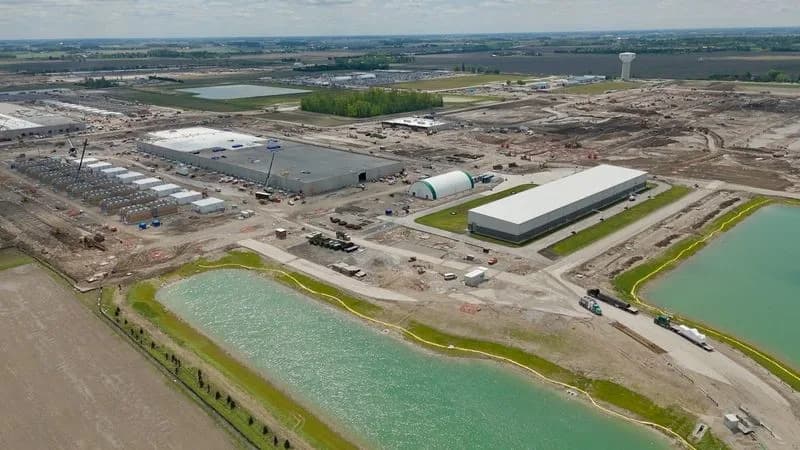
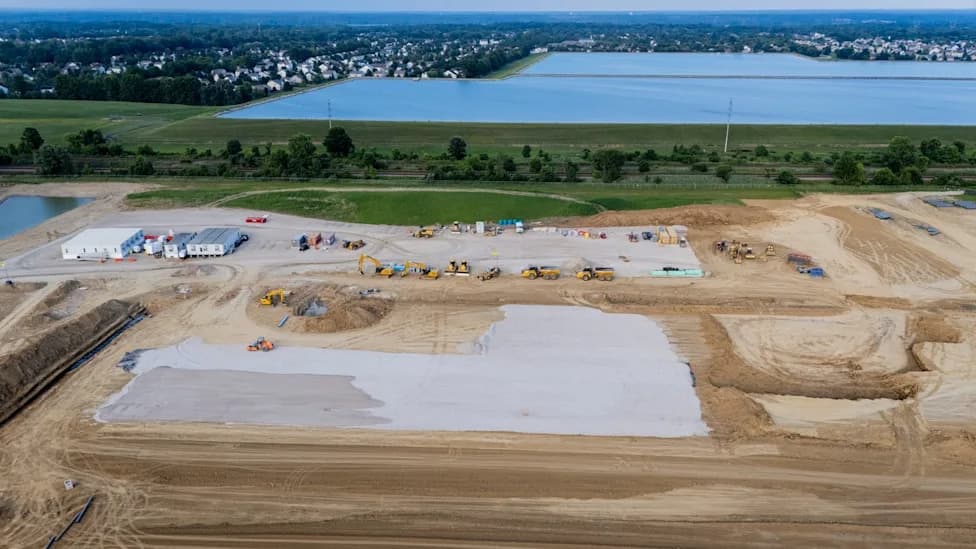
House Bill 983 would require voter approval for data center projects with peak loads above 1 megawatt, extending that vote to all municipalities and townships within 5 miles of a proposed site. The bill adds liability for water impacts, new limits on PFAS, glycols, metals and other discharges, and would bar local property tax breaks while increasing contract transparency. Supporters cite resource and community protections; opponents warn the rules could stall projects and cost the state economically.
Ohio Could Let Neighbors Block $40B Data Center Boom — New Bill Adds Pollution Limits and Bans Local Tax Breaks
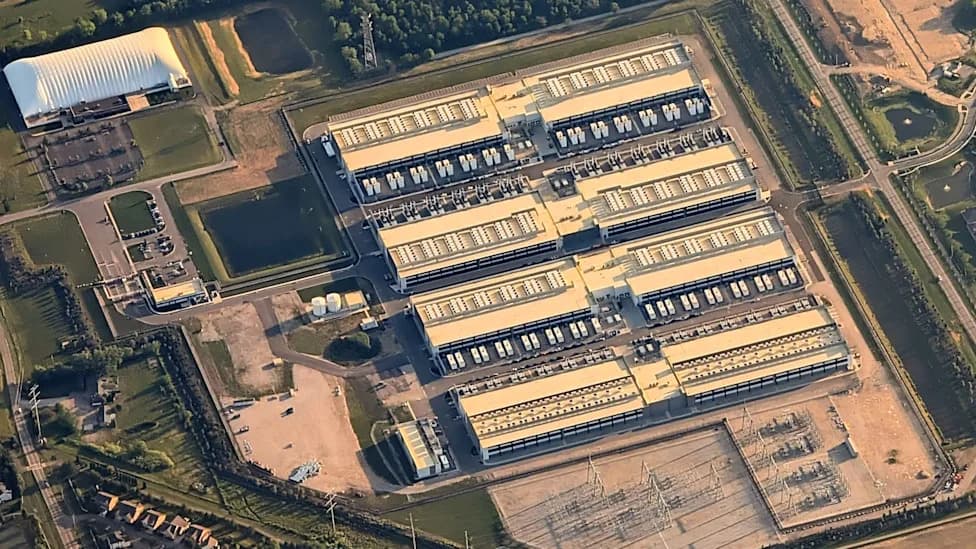
Photo Credit: iStock
Ohio lawmakers have introduced House Bill 983, a sweeping proposal that would give nearby communities unprecedented control over the construction and operation of data centers while adding stricter environmental and transparency rules.
What the Bill Would Do
Under the proposal, any data center project with a peak electric load above 1 megawatt — including expansions of existing facilities — would require voter approval before proceeding. That approval would not be limited to the host jurisdiction: it would be required in every municipality and township within 5 miles of the proposed site, and any permit issued without those approvals would be invalid.
The bill also imposes new environmental and public-resources requirements. Developers would be held liable for impacts to local water supply and pressure, and the law would set limits on air emissions and water discharges for contaminants such as PFAS, glycols, metals and other organic compounds. According to reporting, the provisions would apply to existing data centers after 18 months.
Taxes, Transparency and Public Oversight
House Bill 983 would bar local governments from granting property tax breaks to data centers and associated power plants and would require public disclosure of development agreements and power-supply contracts. Supporters say these measures protect taxpayers and local services; opponents say they could chill investment.
Why This Matters
Ohio is projected to attract roughly $40 billion in data center investment over the next four years. Supporters of the bill argue that large facilities can strain electricity and water systems and that increased demand could raise utility bills — disproportionately affecting lower-income households. Critics warn that repeated communitywide votes and tighter regulation could block most new projects, slow development and cost the state significant economic activity.
Whether or not House Bill 983 advances, its introduction signals that data center growth in Ohio is now a debate about energy, water, pollution and local control — not just about jobs and investment.
The Ohio debate could become a national test case for how states balance rapid data-infrastructure growth against environmental protections and local decision-making.
Help us improve.