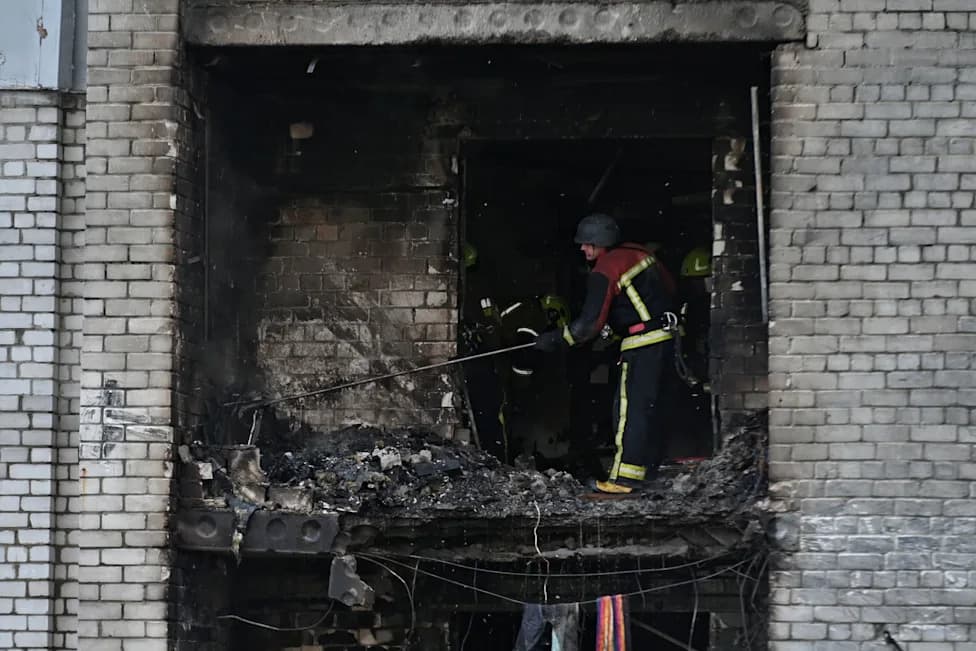
Ukrainian President Volodymyr Zelensky warned that Vladimir Putin may prepare a mass mobilisation of up to 500,000 men this autumn, which could be used beyond Ukraine to pressure European countries. He said Putin seeks symbolic gains to justify heavy domestic losses and remains unwilling to end the war on fair terms. After intensified Ukrainian drone strikes, Moscow has reportedly set up three air-defence rings around Moscow by reallocating systems from across Russia.
Zelensky Warns Putin May Mobilise Up To 500,000 — Move Could Target Europe, Not Just Ukraine
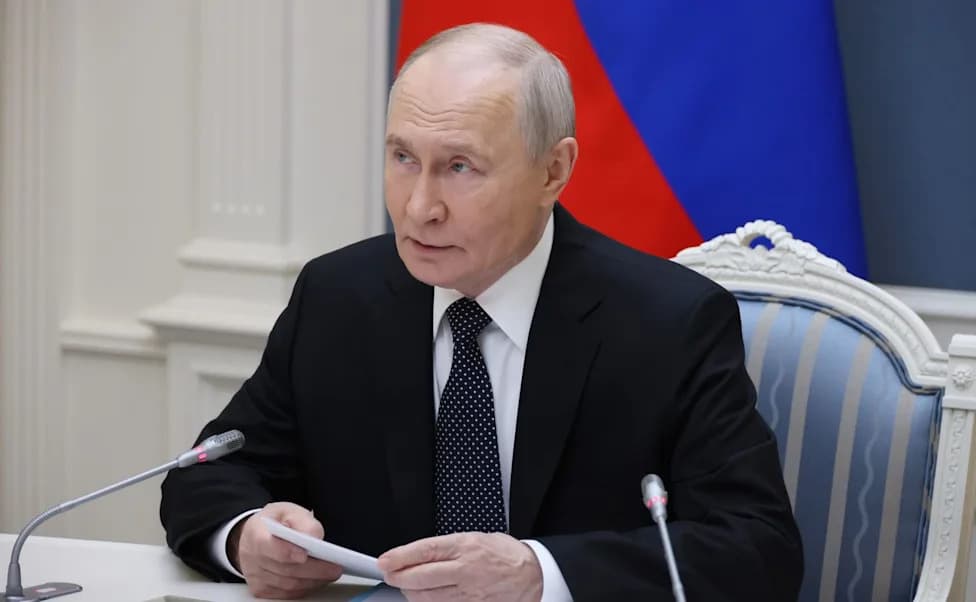
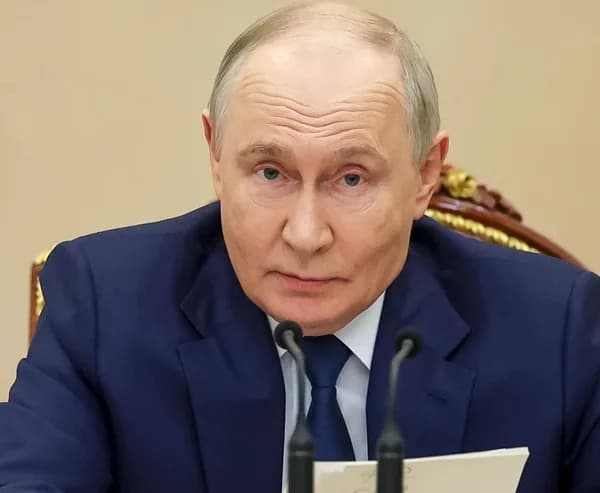
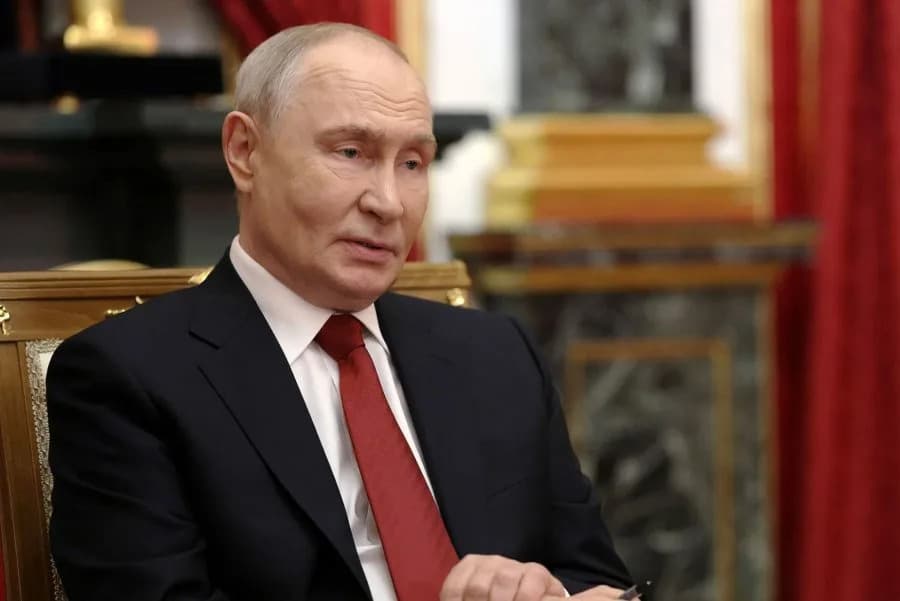
FILE PHOTO - Russia's President Vladimir Putin observes a nuclear exercise conducted by the Russian and Belarusian armed forces via video link from the Kremlin. (is associated with: «Zelensky: Putin set to mobilize hundreds of thousands more Russians») -/Kremlin/dpa
Ukrainian President Volodymyr Zelensky has warned that Russian leader Vladimir Putin may be preparing a large-scale mobilisation this autumn, potentially involving up to half a million men. In an interview with Ukrainian broadcasters on Saturday, Zelensky suggested such a covert call-up could be aimed not only at replacing battlefield losses in Ukraine but also at exerting psychological pressure on European countries.
Zelensky argued that Putin remains unwilling to end the war on fair terms and is seeking at least symbolic victories to justify the heavy human and material costs to the Russian population. "Why? To show that I will mobilize half a million people in the autumn. And I will not necessarily deploy this half a million solely in Ukraine," he said.
Following a recent intensification of Ukrainian drone strikes targeting sites deep inside Russia, Zelensky said Moscow has responded by creating three concentric air-defence rings around the capital. "On top of their air force, on top of everything else they have," he said. "Essentially, they are protecting everything they use to attack us, knowing full well that we will repay them in kind."
To build this shield, the Russian military had to pull together air-defence systems from across their vast territory, Zelensky added.
The warnings underline growing concerns in Kyiv and among Western security officials about potential escalatory steps by Moscow, and the wider geopolitical signal such a mobilisation could send to European allies. Analysts say a large, partially hidden call-up would complicate diplomatic calculations and could be used as leverage even if many of the conscripts are not immediately sent to the front.
Help us improve.