Transport Secretary Heidi Alexander sets out a practical plan to improve everyday journeys: a record £7.3bn for road repairs, stronger council accountability and new data on long-term fixes. On rail, fares are frozen for the first time in 30 years, the 16–17 Saver Railcard expands half-price travel for young people, and Great British Railways will integrate track and train to boost reliability. Measures to tackle fare evasion and protect holiday travel are also highlighted.
Better Roads, Reliable Trains, Family Getaways — How Labour Plans to Fix Everyday Travel
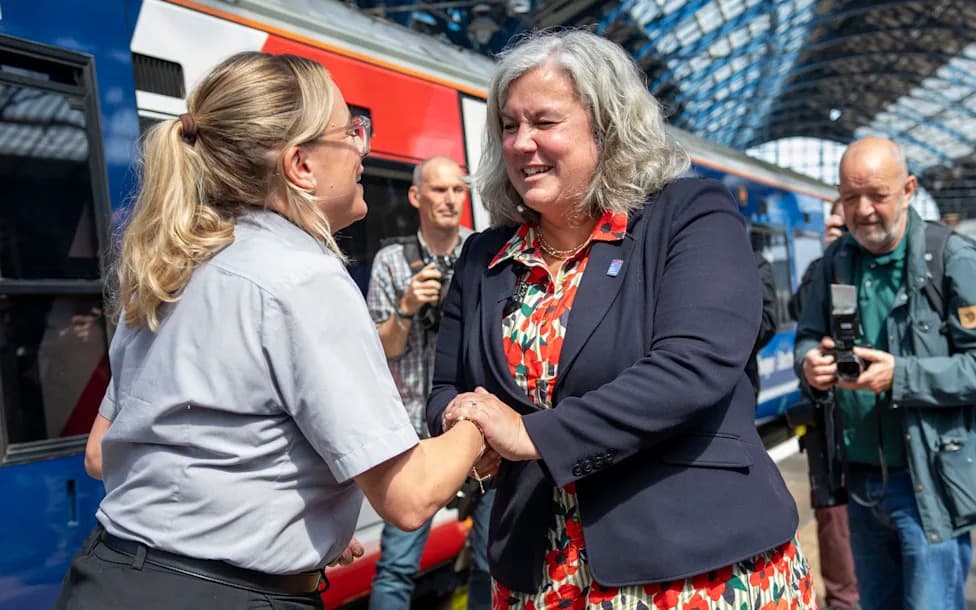
Heidi Alexander, Transport Secretary, has set out a £7.3bn investment to fix potholes and a system to hold councils accountable - Charlotte Coney/Getty Images
When the Prime Minister says many people feel politics does not work for them, he is right. For too long transport has borne the brunt of that frustration. I am determined to change it by building a reliable, practical transport system that gets people where they need to go, makes everyday life simpler and offers clear value for every taxpayer pound.
Why Everyday Journeys Matter
Improving daily travel is about more than convenience. It can be the difference between someone getting a job or missing one; between a high street alive with small businesses or boarded-up shops; between neighbourhoods that thrive and those that decline.
Roads: Fixing Potholes For Good
Potholes blight communities and can cause expensive repairs — a single strike can cost around £500. That is why we have pledged a record £7.3bn to bring our roads up to standard. After nearly a decade of decline, the percentage of roads receiving maintenance rose last year, and we are determined to keep that momentum going.
Holding Councils To Account
Money alone will not solve the problem. The Telegraph's “Fix Our Potholes” campaign rightly calls out temporary repairs. To drive lasting change I introduced rules requiring councils to show clear progress on road repairs — or risk losing nearly a third of certain funding. A traffic-light rating system removes hiding places for failure, and for the first time councils will publish new data next month showing how they prioritise long-term repairs over repeated patching.
Protecting People’s Plans
When conflict in the Middle East threatened disruption, we gave airlines flexibility to keep flights running — protecting people’s holidays and increasing certainty for passengers. Latest figures show more flights operating than at the same point last year.
Rail: Cheaper, More Reliable, Less Confusing
People rightly complain that rail travel can be expensive and unreliable. That is why fares have been frozen for the first time in 30 years, saving many passengers hundreds of pounds. We have also expanded access to half-price travel for young people through changes to the 16–17 Saver Railcard.
Fare evasion undermines confidence and costs the railway up to £400m a year. We are rolling out new ticket gates and other measures to crack down on those who flout the rules.
Great British Railways: One Railway, Better Service
To tackle timetable chaos and fragmented decision-making we are creating Great British Railways (GBR). Bringing track and train together will reduce bureaucratic delays, make fares easier to understand via a planned GBR app and align the whole railway behind innovation and reliability. This is not ideological nationalisation — it is a practical move to put rail experts in charge, give mayors a stronger voice and run GBR as a world-class, passenger-focused organisation.
Conclusion
Britain must work better for more people in more places. By backing the everyday priorities that matter — better roads, reliable trains and protected family getaways — we can deliver growth in every postcode, power aspiration and help communities thrive.
Heidi Alexander MP
Secretary of State for Transport
Help us improve.