Mark Fowler, a Tennessee physician, was publicly identified after a failed lethal-injection attempt at Riverbend prison left Tony Carruthers injured and the execution halted. Fowler acknowledged he had not placed a central line in about 13 years; Carruthers endured repeated punctures for roughly 1 hour 15 minutes before the procedure was stopped. The disclosure has prompted subpoenas, complaints to health authorities, and renewed debate over physicians' ethical roles in executions and the risks posed by inadequately trained medical staff.
Unmasked: The Tennessee Doctor Who Took Part In A Botched Lethal Injection

Illustration: Guardian Design / Getty Images / Alamy
Mark Walton Fowler, a 68-year-old physician from Union City, Tennessee, has been publicly identified as the doctor who participated in a failed lethal-injection attempt that left condemned inmate Tony Carruthers injured and the execution halted.
What Happened At Riverbend
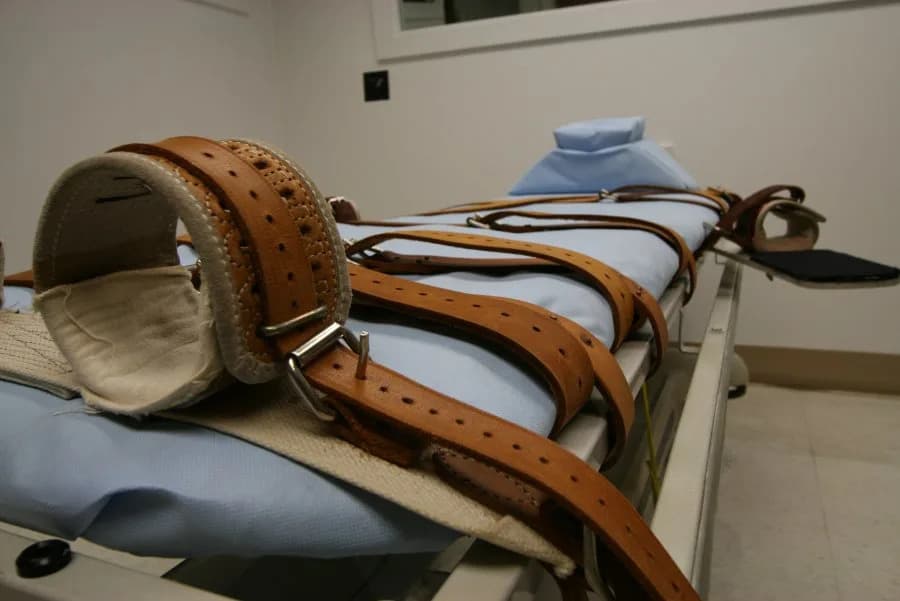
The attempted execution at Riverbend Maximum Security Prison in Nashville was called off after Carruthers, 57, endured about 1 hour and 15 minutes of repeated punctures to his arms, feet and shoulder while prison medical staff and Fowler tried — and failed — to secure intravenous access. Fowler attempted to place a central venous catheter beneath the collarbone to deliver a lethal dose of pentobarbital. Observers say he asked whether "the patient" had any allergies before applying lidocaine, language that jarred attorneys who argued the man was not a patient but a condemned prisoner.
"He called Tony 'the patient.' And he was trying to kill him," said Maria DeLiberato, senior counsel at the ACLU Capital Punishment Project, who was present in the chamber.
Who Is Mark Fowler?
Fowler trained first in public administration and law, worked for a time as a public defender, and later retrained as a physician, graduating from the University of Tennessee Health Science Center's medical school in 1999. Over roughly 25 years of clinical practice he has worked in emergency medicine and family medicine and now earns much of his income as a medical director of several clinics.
Fowler has written opinion columns for his local paper and syndicated conservative outlets; some columns and remarks have generated controversy and internal complaints, according to deposition testimony and public records.
Unmasked And Under Scrutiny
Unlike most execution physicians, who remain anonymous under state secrecy rules, Fowler's identity was revealed inadvertently by a Tennessee corrections warden announcing the execution of another inmate. Two months later he was subpoenaed by lawyers challenging Tennessee's lethal-injection protocol and questioned at a deposition about his role and qualifications.
During the deposition Fowler acknowledged that he had not placed a central line in roughly 13 years — a fact that alarmed medical experts and defense attorneys. Critics argue that central venous catheter placement is a technically demanding procedure that requires frequent practice to maintain proficiency.
Consequences And Complaints
Carruthers survived the failed attempt and later described pain and shock to his attorneys. His sister filed a complaint with state health authorities alleging violations of medical ethics and extreme pain. Attorneys for other death-row prisoners have asked courts to disclose whether Fowler will be present at upcoming executions, arguing that his return would pose an "intolerable risk" of severe suffering.
"They want to make this a medical procedure, but it's not. It's premeditated murder. There's really no way to kill a person humanely, with or without a doctor. What I witnessed was torture," said DeLiberato.
Broader Ethical Debate
The case has reignited debate over the medicalization of executions in the United States. The American Medical Association forbids physician participation in executions, but a small number of doctors — described by some observers as "dissenters" — have participated. Critics say inviting medical professionals into the death chamber masks the violent nature of execution and risks medicalizing harm.
Financial And Procedural Details
Fowler disclosed he is paid $3,000 per execution attended — less than reported fees in some other states — and said he accepted invitations from a predecessor execution doctor to observe and eventually take over the role. He has defended his conduct in interviews, but legal teams continue to press for transparency and review.
The controversy remains active as Tennessee approaches another scheduled execution and courts consider whether to block or limit physician involvement. The debate touches on legal, ethical and medical standards and raises questions about training, oversight and the human cost of capital punishment.
Help us improve.