Jeffersonville has enacted a one-year moratorium on new data center projects to give planners time to rewrite zoning rules that many say were not designed for large-scale server farms. The pause—mirrored by New Albany—responds to resident concerns about noise, pollution, tax incentives, traffic and possible property damage. City officials will draft new zoning language, hold public hearings, and aim to finalize changes before the state legislative session begins in January.
Jeffersonville Imposes One-Year Moratorium on New Data Centers Amid Resident Pushback

Photo Credit: iStock
Jeffersonville, Indiana, has approved a one-year moratorium on new data center projects as residents and officials seek time to rewrite local land-use rules to address concerns about noise, pollution, tax incentives and proximity to neighborhoods.
Why the Pause?
City leaders say the moratorium will give planners a full year to update Jeffersonville’s development ordinance because many older zoning codes were not written to regulate warehouse-scale server farms. A similar one-year pause was recently approved in nearby New Albany, underscoring a broader regional debate over where data centers should be sited.
What’s Covered — And What Isn’t
Under the city’s current code, facilities classified as "internet server" uses are allowed in industrial districts. City Attorney Les Merkley warned that the existing language could still permit projects close to residential areas, limiting the city’s ability to set clear protections and setbacks for nearby homes.
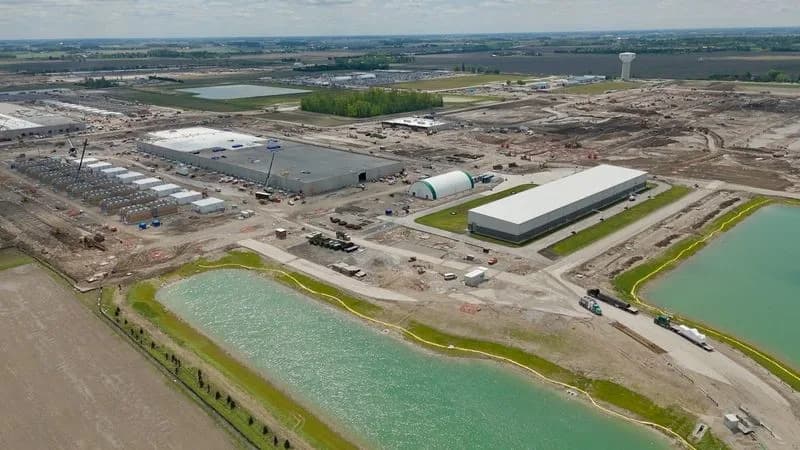
The moratorium does not apply to River Ridge Commerce Center, where Meta is nearing completion on a facility. The commerce park is governed by its development authority, which controls land use in that area; Jeffersonville retains the ability to approve development plans but does not set the underlying land-use rules there.
Resident Concerns
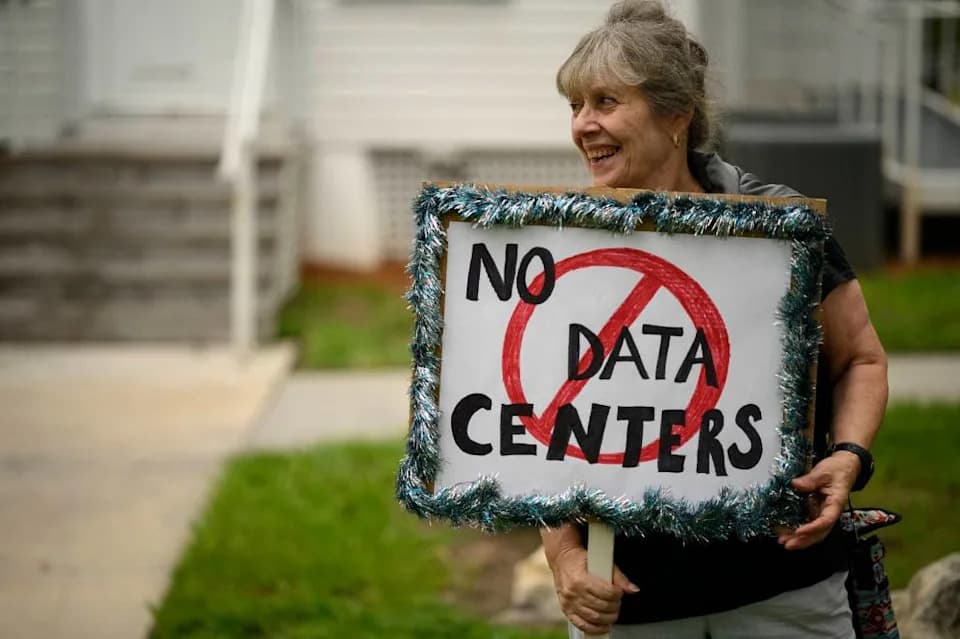
Public comment recorded by Louisville Public Media and LPM News highlighted a range of concerns: the economics of tax incentives that may yield few local jobs; noise, light and air pollution; heavier truck traffic and strain on local infrastructure; and reports of foundation damage near construction sites. Neighbor Rachel Wurfel, who lives less than 1.5 miles from Meta’s site, described increased light pollution, traffic and alleged damage to nearby properties.
Susan West: "Data centers should be at least a half-mile away from residents, farms, schools and state parks."
Rachel Wurfel: "So we've sacrificed a lot in our neighborhood for one of the richest corporations in the world."
Next Steps
Council members originally considered a six-month pause before voting to extend it to a full year. Council Member Evan Stoner said the longer timeline will allow staff to "examine how municipalities across Indiana and the country are responding to the influx of data centers being proposed or built," while Council Member Scott Hawkins urged quick action to prevent developers from filing applications before the moratorium took effect.
City planners will draft revised zoning language, send it to the City Plan Commission for review, and then return it to the city council. Officials expect public hearings at both stages and hope to complete the revisions before the state legislative session begins in January.
Proposals Under Consideration
Proposals being discussed include larger buffers between data centers and nearby homes, farms, schools and state parks; clearer setback and permitting standards; and stricter rules tied to power supply, infrastructure capacity and environmental impacts. The moratorium is intended to give Jeffersonville time to craft regulations that balance investment opportunities with community quality-of-life concerns.
Help us improve.