The Wildcat Sanctuary in Minnesota is treating Taras, a lion rescued as a four-month-old cub from Odesa during the Ukraine war, for blastomycosis, a rare fungal infection. After evacuation to Poland and relocation to the U.S. in November 2022, Taras became ill at age four and underwent extensive testing, including a lung biopsy in Minneapolis. Intensive early IV antifungal therapy helped him improve, and he has rejoined his pride, but he remains on oral medication and may need weeks or months to fully recover.
From Odesa Station to Minnesota: Rescued Lion Taras Battles Rare Fungal Infection
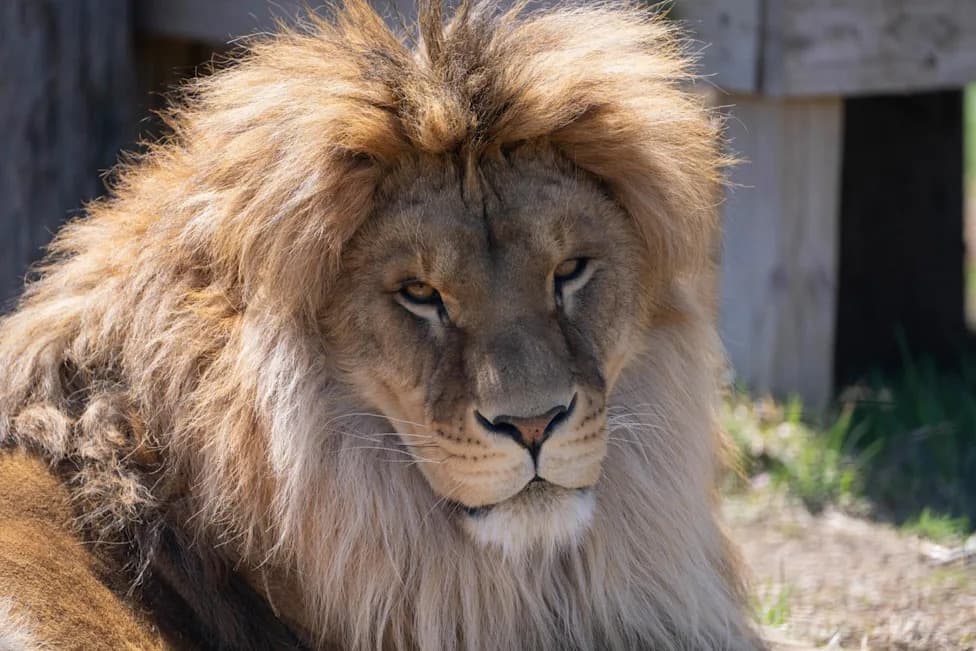
Taras the lionPhotograph: Wildlife Sanctuary
A lion that was discovered as a four-month-old cub inside a duffel bag at Odesa railway station during the war in Ukraine is now fighting a serious medical battle at a secluded sanctuary in Minnesota.
Background and Rescue
Taras, his two sisters Lesya and Stefania, and an unrelated, slightly older cub from Kyiv named Prada were brought to the United States in November 2022 by The Wildcat Sanctuary, a private reserve near Sandstone, Minnesota. The rescue was arranged in cooperation with the International Fund for Animal Welfare (IFAW).
An American veterinarian working in Kyiv evacuated the cubs amid periods of missile and drone strikes and drove them to safety in Poland on a 36-hour overland journey while they awaited U.S. import permits.
Illness and Diagnosis
Now four years old, Taras had been an energetic leader of the small Ukrainian pride at the sanctuary until May, when keepers noticed he was lethargic and had lost his appetite. After multiple tests—including an expensive 180-mile round trip to a specialist clinic in Minneapolis for imaging and a lung biopsy—veterinarians diagnosed him with blastomycosis, a non-contagious fungal infection typically contracted from soil. The disease is also known as Gilchrist's disease and can be fatal in animals and humans if not detected and treated early.
The same fungal infection was implicated in the June death of a white tiger named Ginger at a wildlife sanctuary in Wisconsin, underscoring the seriousness of the condition.
Treatment and Recovery
Sanctuary founder and CEO Tammy Thies said Taras responded to intensive early care, which included twice-daily intravenous injections of a high-strength antifungal medication. He has since been reunited with his pride but still requires oral antifungal medication twice daily. Staff said it may be weeks or months before they feel confident he has fully recovered.
"He was in a fight for his life," Thies said. "Usually when big cats are diagnosed with blastomycosis it's when they are showing respiratory distress, and by that time the disease is so advanced that even aggressive antifungal treatment can be life-threatening. There's a very low chance of survival."
Thies described the lions' survival after evacuation from Ukraine as a "second miracle." The sanctuary team initiated controlled reunions so Taras could safely reconnect with his sisters. Because his medicated food is more attractive to other pride members, he must be separated twice daily at feeding time to ensure he receives the full dose.
Origins and Wider Context
The cubs' exact origins are unknown, but Thies said they were likely taken from their mother shortly after birth and intended for the illegal international exotic-animal trade. The outbreak of war and subsequent border closures disrupted those trafficking routes, and traffickers reportedly abandoned some animals during the chaos.
Sanctuary staff remain cautiously optimistic but realistic about Taras's prognosis. "We know this was going to be an uphill battle," Thies said. "He has a fight on his hands but still has a lot of life to live, and we were all going to come together and fight for him."
Help us improve.