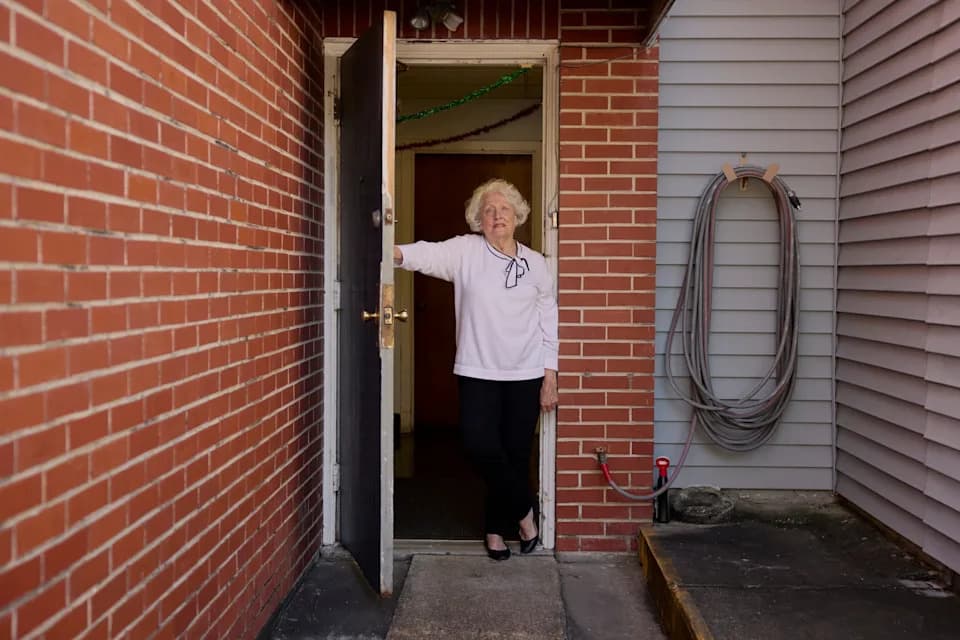
Judith Sherwood, 62, spent 13 years caring for her paralyzed mother and continued living in the family home after her mother's death in 2022. On July 2, she received notice that a reverse mortgage balance exceeded $540,000 and that foreclosure proceedings could follow. Sherwood and her daughter are pursuing an appraisal and looking for more affordable housing, while worrying about the impact on the grandchildren's schooling. The case highlights how long-term caregiving can leave families financially vulnerable.
After 13 Years Caring For Her Mother, She's Facing Foreclosure Over A $540,000 Reverse Mortgage
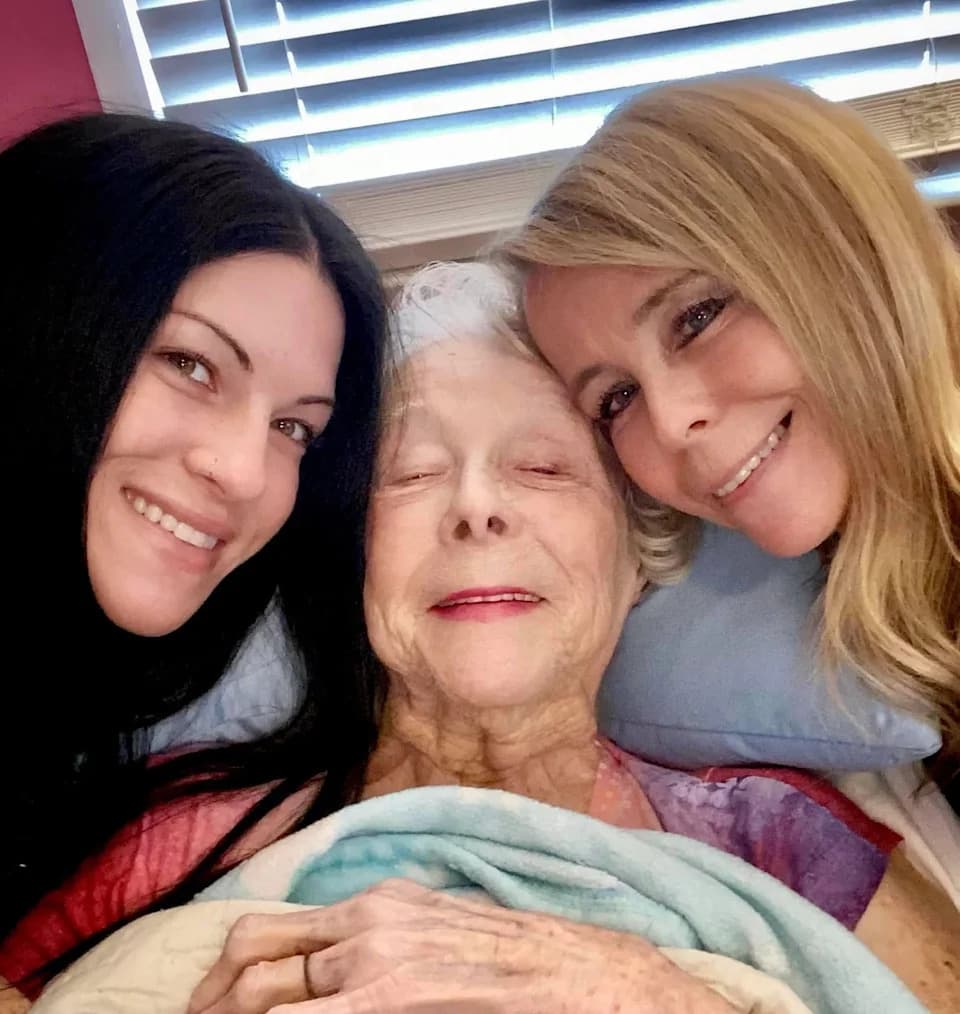
Olga Kleinertz (center) with her daughter Judith Sherwood (right) and granddaughter Shaylynn Jones (left).
Judith Sherwood, 62, spent 13 years as her mother's primary caregiver after moving back into the family's ranch-style home in New Jersey in 2009. Her mother took out a reverse mortgage years earlier to cover medical costs, and when she died in 2022 Sherwood and her family continued to live in the house. On July 2, Sherwood received a notice from a contractor for the U.S. Department of Housing and Urban Development saying the balance tied to the loan exceeded $540,000 and warning of possible foreclosure.
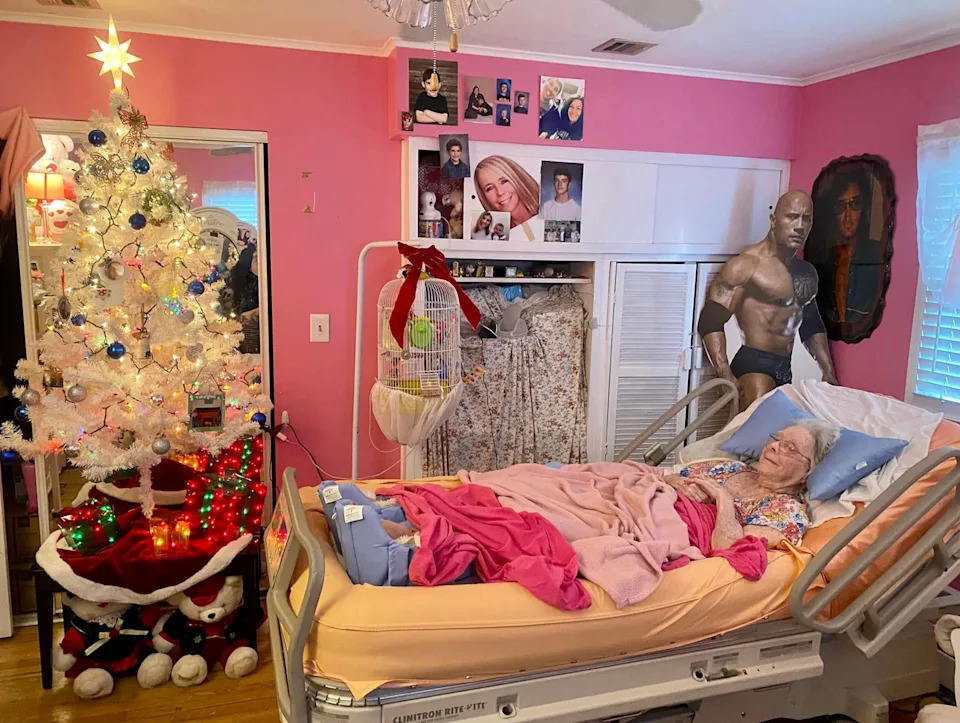
Olga Kleinertz was paralyzed in 2009. Her daughter, Judith Sherwood, moved in with her shortly afterward to help with Kleinertz's 24/7 care needs. They tried to make things fun, Sherwood said, even when Kleinertz's health was deteriorating.
The Aftermath Of Long-Term Care
Caregiving took a heavy toll on Sherwood and her family. Sherwood quit her job to provide full-time care after her mother was paralyzed following an epidural in 2009. She handled catheter changes, medication, bathing, meals, medical appointments and frequent repositioning to prevent bedsores. Her daughter, Shaylynn Jones, later moved her own family into the house to help share caregiving responsibilities.
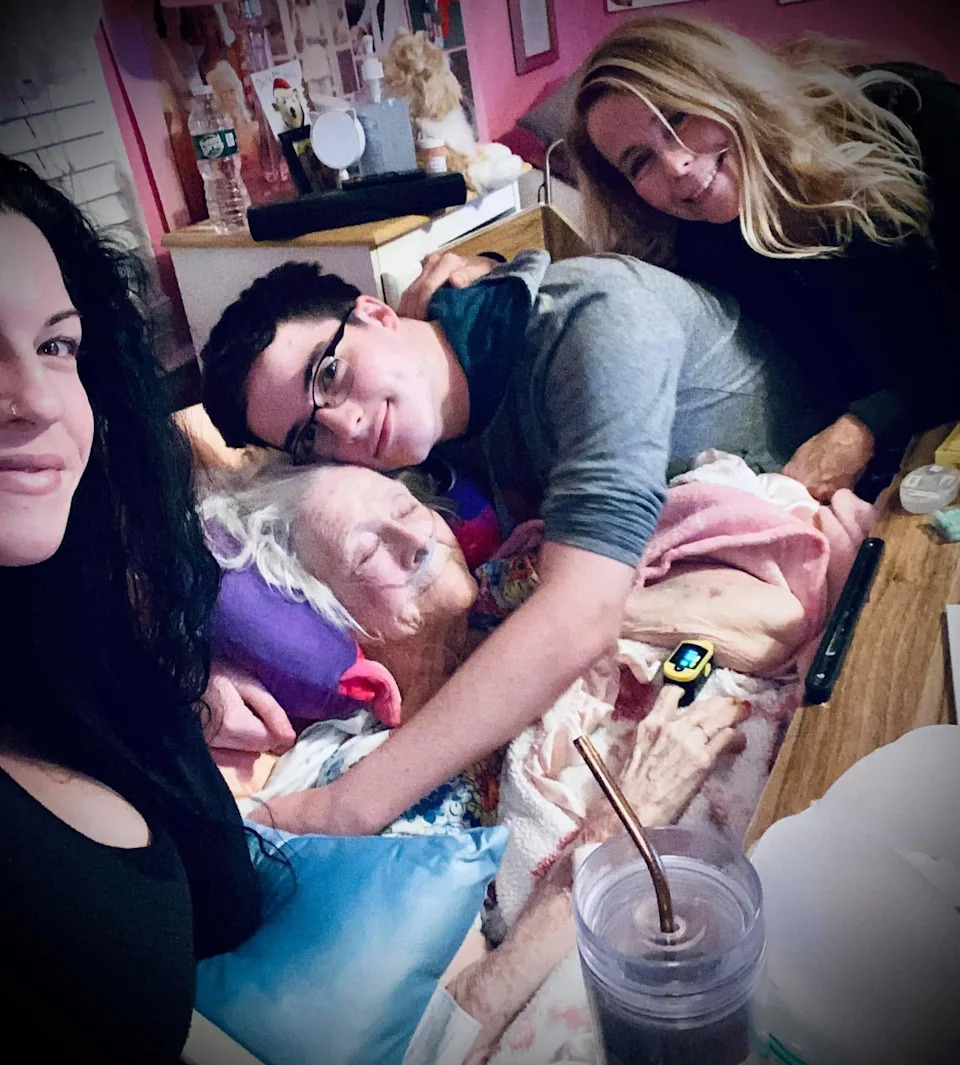
Olga Kleinertz receives a hug from her great grandson, Austin Jones, and surrounded by her granddaughter Shaylynn Jones (left) and her daughter Judith Sherwood (right).
"(The first year of losing my mom) it was a big change, you know, for me and for everybody," Sherwood said. "We just thought, well, we're going to work, we're going to save, and then when they ask us to leave, we'll have enough money to be able to go somewhere."
Why The Debt Matters
A reverse mortgage lets older homeowners convert home equity into cash while remaining in the house; loans typically become payable when the homeowner dies, sells the home or permanently moves out. Sherwood says that although she has worked since her mother's death — currently as a paraprofessional and part-time in real estate — her income is far short of what would be required to refinance or pay the balance now claimed by the lender.
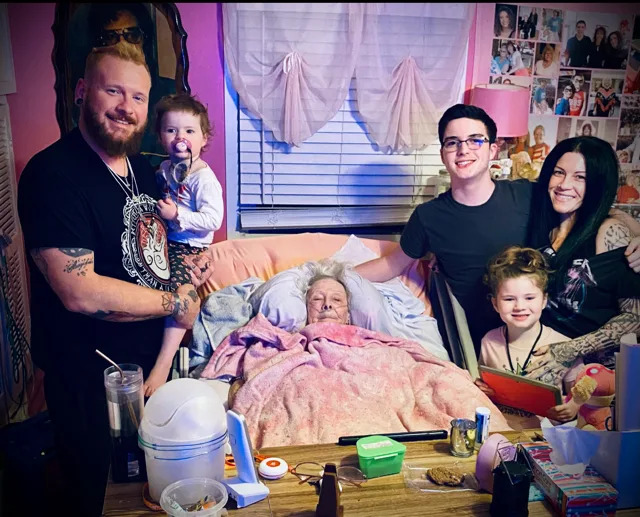
Olga Kleinertz (center) with her granddaughter Shaylynn Jones (right) and Jones's family: (L-R) Paul Jones, Amber Jones, Austin Jones and Kylee Jones.
National Context
The family's experience echoes a broader caregiving crisis. The Caregiving in the US 2025 report (AARP and the National Alliance for Caregiving) estimates about 63 million caregivers in the United States and finds roughly 36% of caregivers for older adults live with the person they care for. Surveys show many caregivers make financial and workplace sacrifices: one study found 70% reported financial sacrifices and 74% reported workplace sacrifices while caring for a loved one.
What The Family Is Doing Now
Sherwood has scheduled an appraisal to determine whether the home's market value is lower than the balance claimed. Meanwhile, Sherwood, her daughter and son-in-law are searching for more affordable housing options in case they must leave. The family worries about how a move would affect Sherwood's grandchildren, who receive specialized services at their current school.
"I'm just trying to weigh out all my options," Sherwood said. "It's a little scary, because I don't know what's going to happen."
The article was reported by Madeline Mitchell of USA TODAY. Her reporting on this story was supported by a partnership with Pivotal and Journalism Funding Partners; funders did not provide editorial input. Reach Mitchell at [email protected] and @maddiemitch_on on X.
Help us improve.