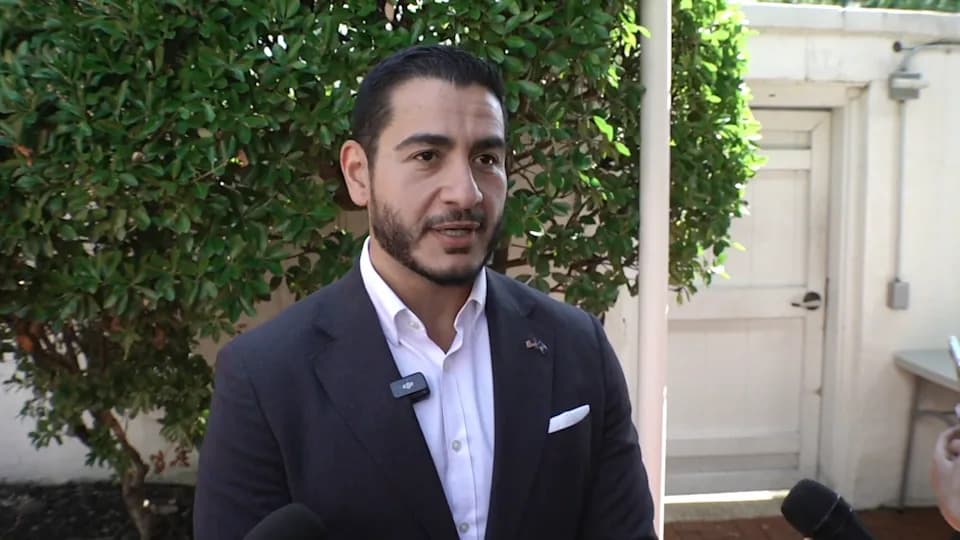
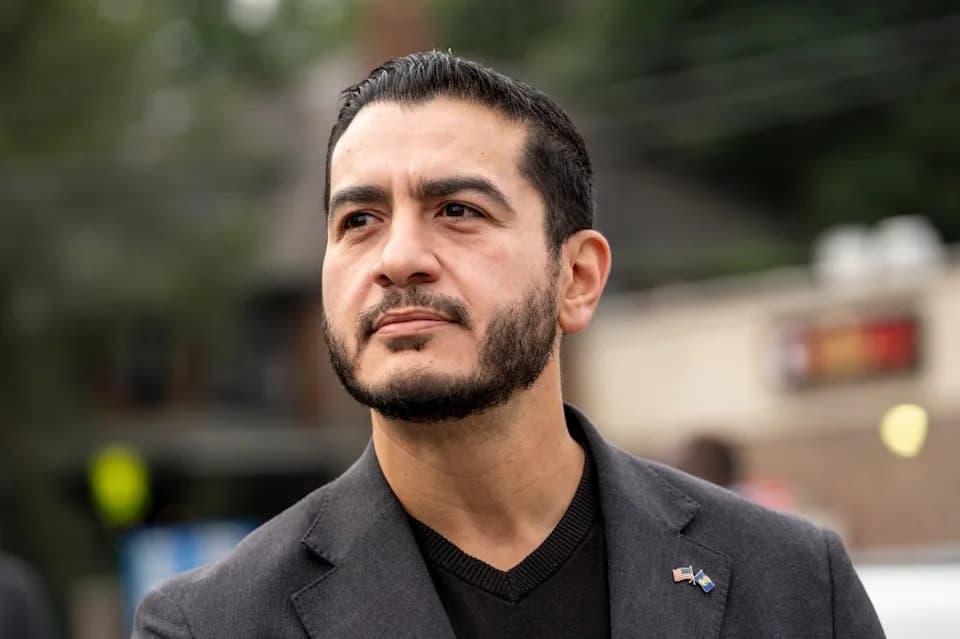
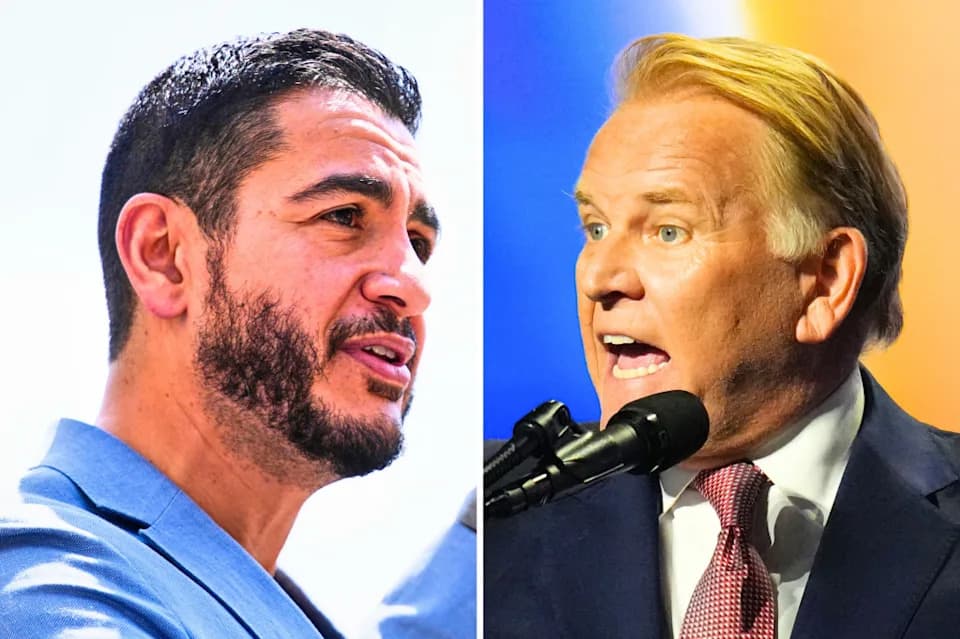
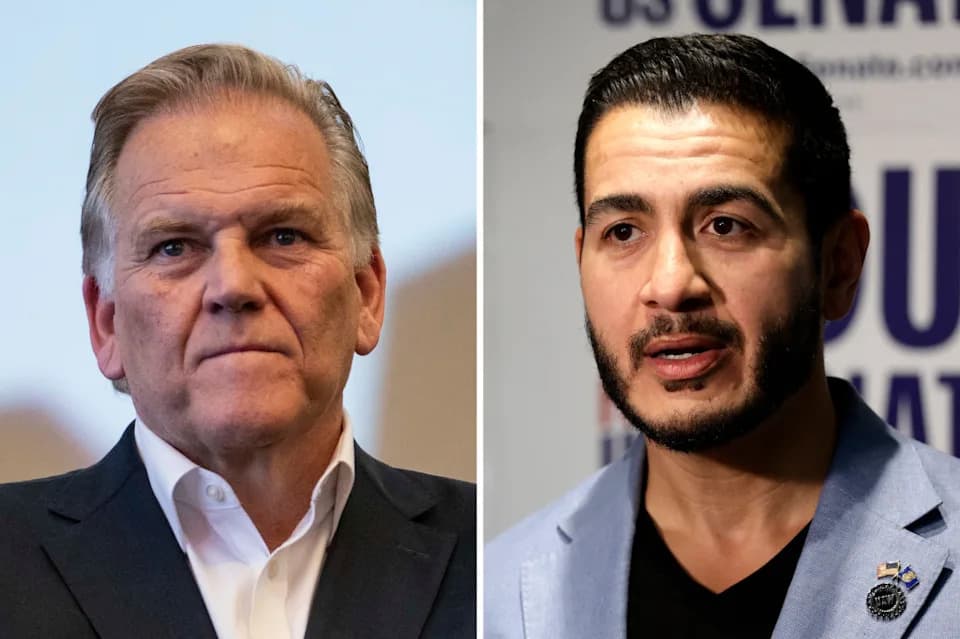
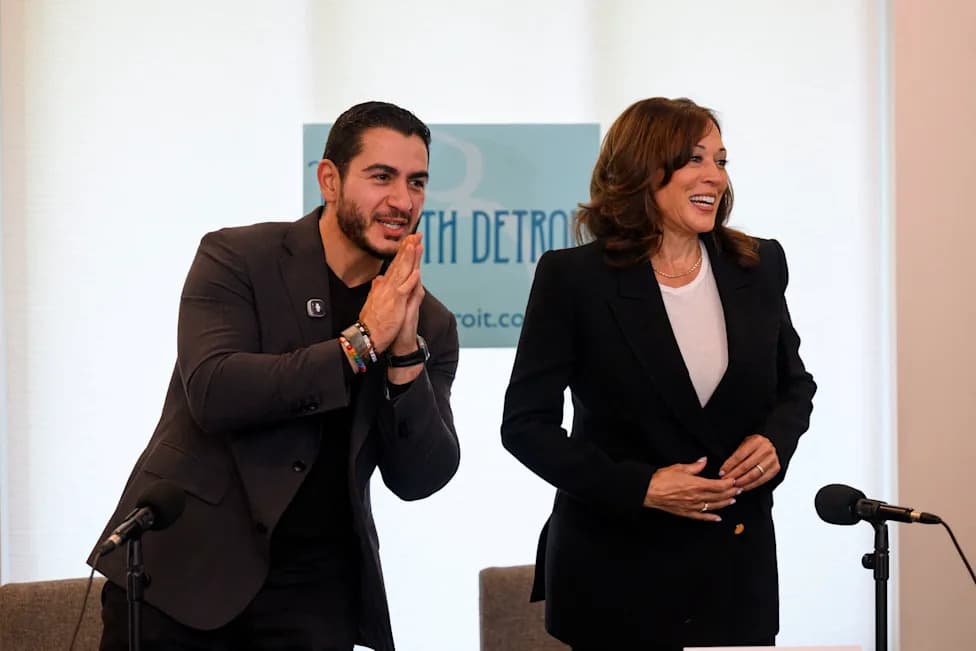
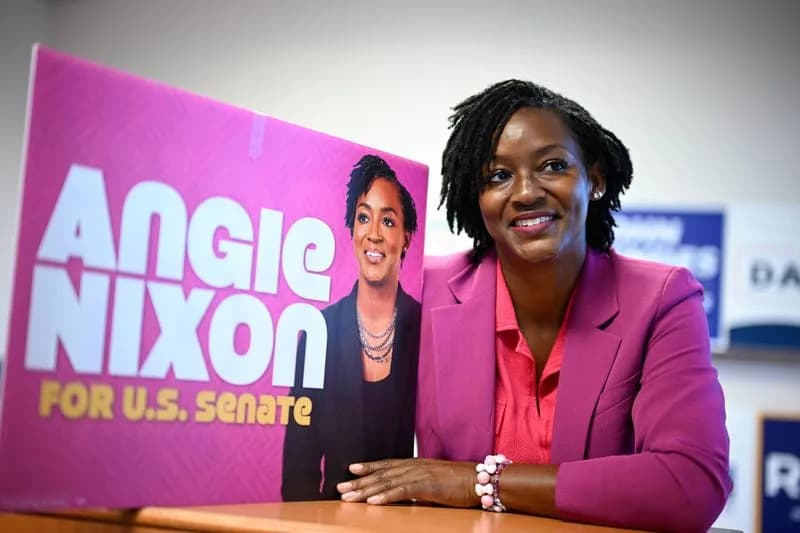
At a Michigan Democratic Party rally, Pete Buttigieg urged unity after a bruising primary, warning that the nation is watching whether Democrats can rebuild a winning coalition. Abdul El‑Sayed, who defeated Rep. Haley Stevens in the Democratic primary, now faces Rep. Mike Rogers in a race central to control of the Senate. El‑Sayed reaffirmed progressive priorities such as Medicare for All while party leaders work to bring moderates and progressives together for the general election.
Buttigieg Urges Unity as Michigan Becomes a National Bellwether for 2028
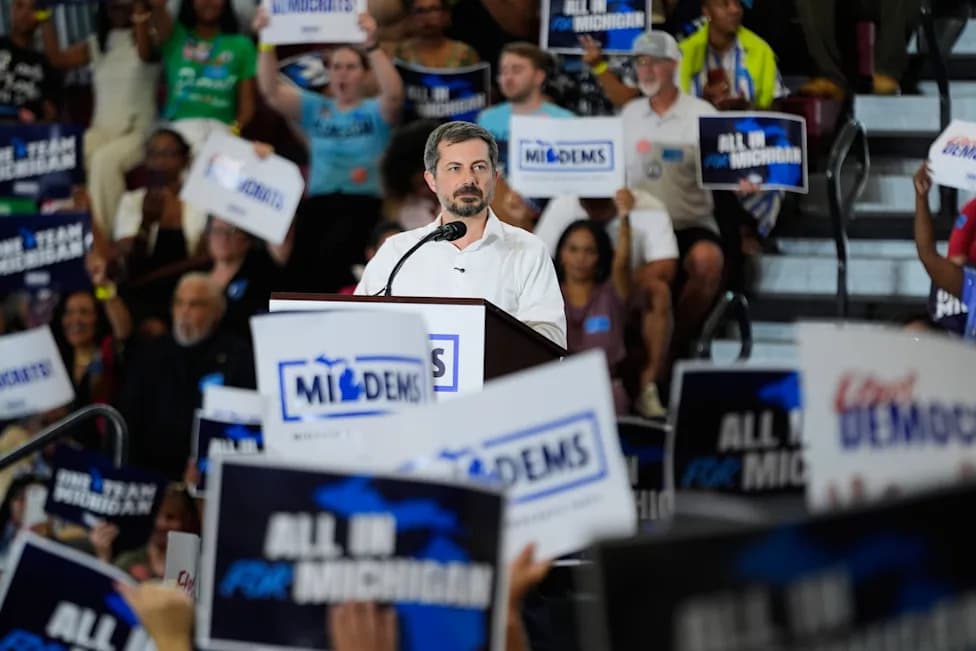
Pete Buttigieg: Everyone’s ‘watching the state of Michigan right now’
Michigan Democrats gathered Friday for a preplanned rally intended to mend rifts from a bruising primary and present a united front heading into the general election. The event drew Pete Buttigieg — the former and potential future presidential contender — underscoring Michigan’s growing national importance for both 2024 and 2028 cycles.
Holding Michigan’s Senate seat is central to Democrats’ hopes of reclaiming the upper chamber. The state, which has voted for Donald Trump in two of the last three presidential elections, remains a fierce battleground and is now positioned to become an early presidential nominating state — a shift that could give it outsized influence in 2028.
“The stakes are high, and people from around the country, people from around the world, are watching the state of Michigan right now to see if we have the capability to put together that coalition to win,”Buttigieg said, emphasizing that national observers are watching whether Democrats can rebuild a winning coalition after the primary.
Buttigieg, who remained neutral in the Senate primary, urged Democrats to unite. “We’re going to win because we know what it means to focus on what’s at stake, to lock arms as allies after a spirited primary, to pull together in common cause,” he said at the Michigan Democratic Party’s general election kickoff.
On Tuesday, Abdul El-Sayed won the Democratic Senate primary, defeating Rep. Haley Stevens after a hard-fought contest that revealed ideological and demographic divisions within the party. El-Sayed now prepares to face Republican Rep. Mike Rogers in the general election and must work to bring moderate and establishment Democrats back into the fold to defend the seat.
Republicans, sensing an opening with Black and Jewish voters who favored Stevens, have already begun targeting parts of the Democratic coalition. Party strategists view Michigan as one of the GOP’s best pickup opportunities this cycle.
Speaking to a broad audience, Buttigieg appealed to voters across the party’s ideological spectrum — and to persuadable independents and Republicans. “Wherever you sit, in this big tent of ours... there is a set of things, and I mean big, big things, where we agree with each other, we agree with most Michiganders, and Washington and Lansing Republicans disagree with us,” he said.
Party leaders face a delicate balancing act: unifying behind progressive primary victors while reassuring moderates and independent voters. That tension surfaced in several speeches at the event. Buttigieg framed El-Sayed’s platform in pragmatic terms — saying the candidate wants “to expand affordable health care and keep more money in your pocket” — while deliberately avoiding the polarizing phrase “Medicare for All.”
El-Sayed sought to pivot toward unity while keeping his core progressive priorities central to his message. “In the spirit of unity, in the spirit of the work, in the spirit of coming together, I want to thank both of my colleagues who ran, Haley Stevens and Mallory McMorrow, for an incredible race,” he said. At the same time, he reaffirmed support for Medicare for All and denounced the influence of super PACs and large outside spending.
He also delivered a pointed critique of his Republican opponent and the GOP’s strategy of negative campaigning. “They don’t know who we fight for,” El-Sayed said. “We fight for the families barely able to put their groceries in the cart and check out, we fight for the mom who's worried about the child care she needs to be able to work a job that barely pays enough, we fight for the folks who are afraid about what happens if they get sick. We fight for each other, and we don't back down.”
With both sides ramping up national attention and outside spending already pouring into the race, Michigan’s Senate contest is shaping up to be a high-stakes preview of the broader political battles to come.
Help us improve.