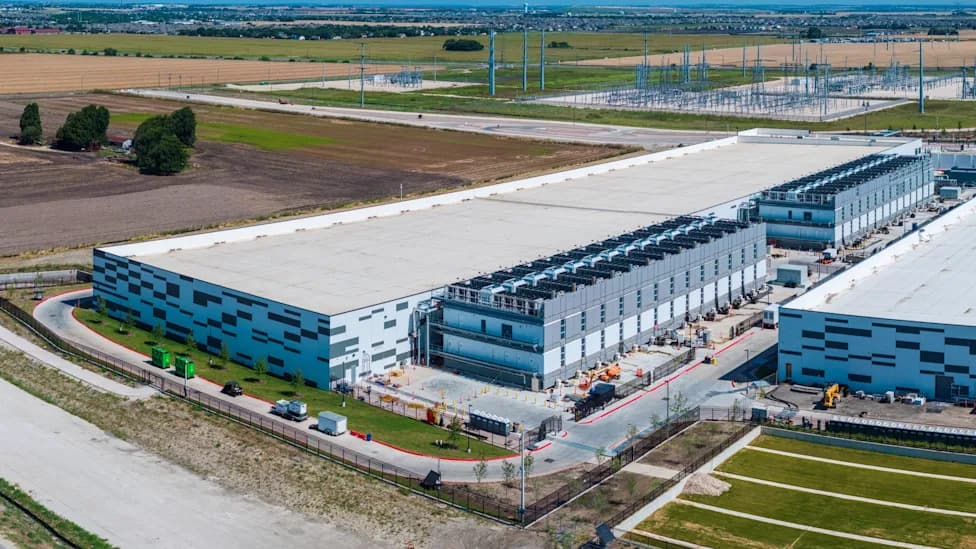
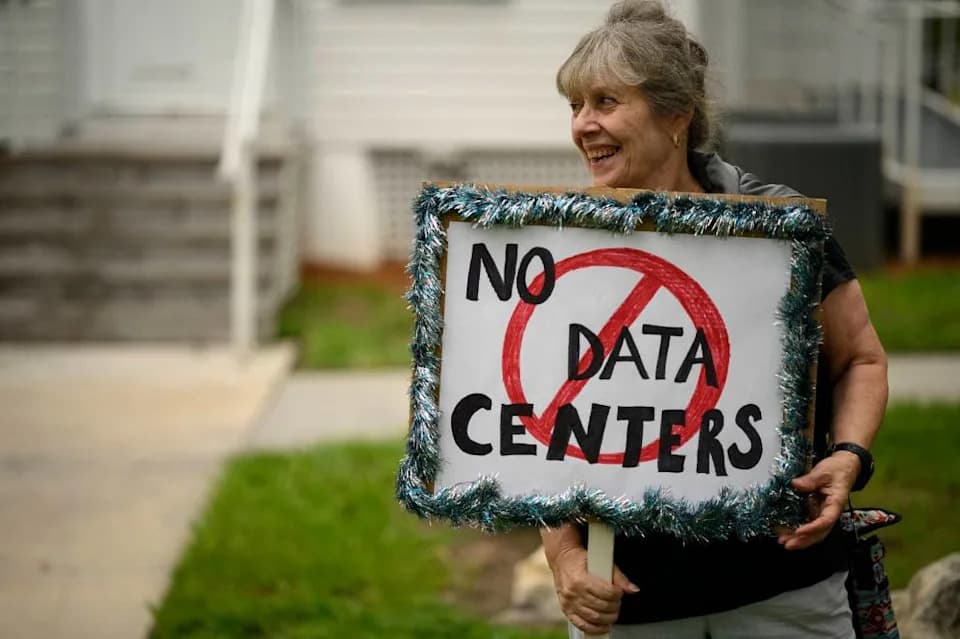
Windsor, Colorado, is weighing whether to allow data centers and what restrictions should apply as AI-related infrastructure grows. Town leaders and the planning commission met to discuss zoning and code changes even though no developer has applied. Residents pushing for preemptive limits cite concerns about electricity and water use, noise, traffic and impacts on local infrastructure. Officials are considering measures such as limiting locations, requiring closed-loop water systems, self-generated power, and a 65-decibel noise cap.
Windsor Debates Data Center Rules as Residents Push for Preemptive Ban
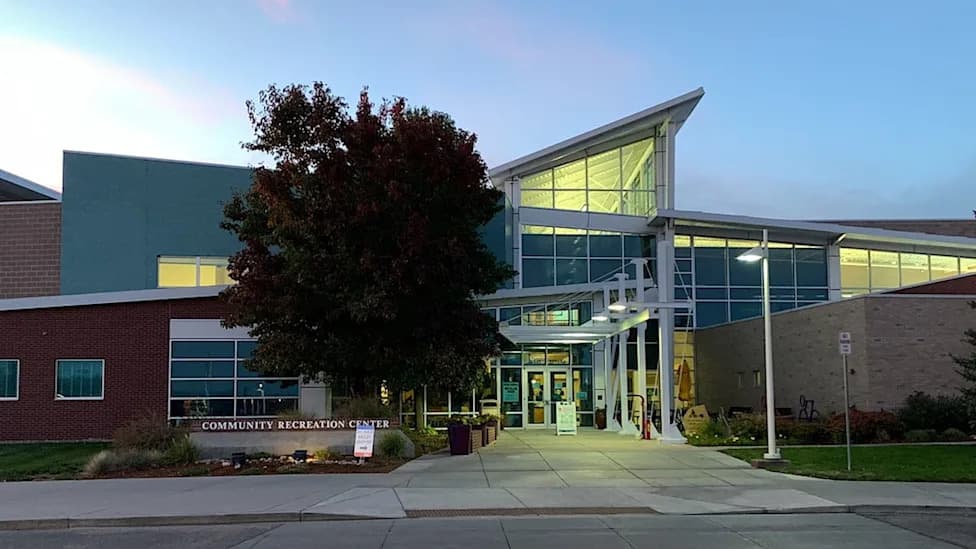
Photo Credit: Town of Windsor, Colorado
Windsor, Colorado, is debating whether to allow data centers within town limits and under what conditions as interest in AI infrastructure grows nationwide. Town leaders held a joint work session with the planning commission to consider possible zoning and code changes even though no developer has filed a data center proposal.
Why the urgency? Data centers—once largely low-profile industrial buildings—are now closely linked to AI and cloud computing, which can drive much higher electricity use and, in some designs, significant water consumption for cooling. Residents and officials worry about impacts on the power grid, local water supplies, traffic, noise, land use and the burden placed on municipal services.
What Officials Are Considering
The town board is exploring a range of potential rules and has signaled interest in aligning Windsor’s code with Weld County’s approach, which restricts data centers to unincorporated industrial areas and requires a public hearing before construction can proceed. Options discussed by Windsor officials include:
- Requiring closed-loop water systems to minimize withdrawals from local water supplies.
- Mandating that facilities generate their own power or limit direct draws on the local grid.
- Applying a noise cap (proposed at 65 decibels) to limit disturbance to nearby neighborhoods.
- Requiring public hearings and clear siting standards to improve transparency in permitting.
Local Concerns and Broader Trade-Offs
Supporters of early rules say planning ahead gives Windsor more leverage to negotiate conditions, protect infrastructure, and set community expectations—rather than reacting after a developer files an application. Critics of unfettered data center growth point to potential increases in utility rates, strain on roads and public services, and questions about whether the local community will see meaningful economic benefits.
At the same time, advocates note that AI and data-center technologies can offer public benefits: utilities can use AI to forecast demand and integrate renewables more effectively, and modern designs can improve energy efficiency. The question for Windsor is how to capture benefits while limiting costs and risks.
"We have a lot of fears of what would happen should we not have anything in place," Windsor Planning Commissioner John Neal said. "So I think we should push forward with as much information as we got tonight and put together a plan, a real plan, then come together and discuss it again."
Windsor’s proactive approach—considering rules before any proposal arrives—gives residents a chance to weigh in early. To comment or request information, residents can email [email protected].
Reporting in this article is based on coverage by The Greeley Tribune and statements made at the Windsor town board work session.
Help us improve.