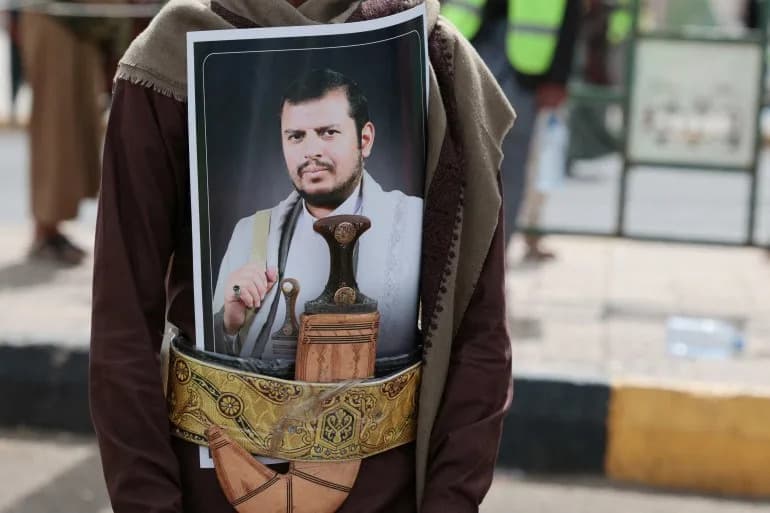
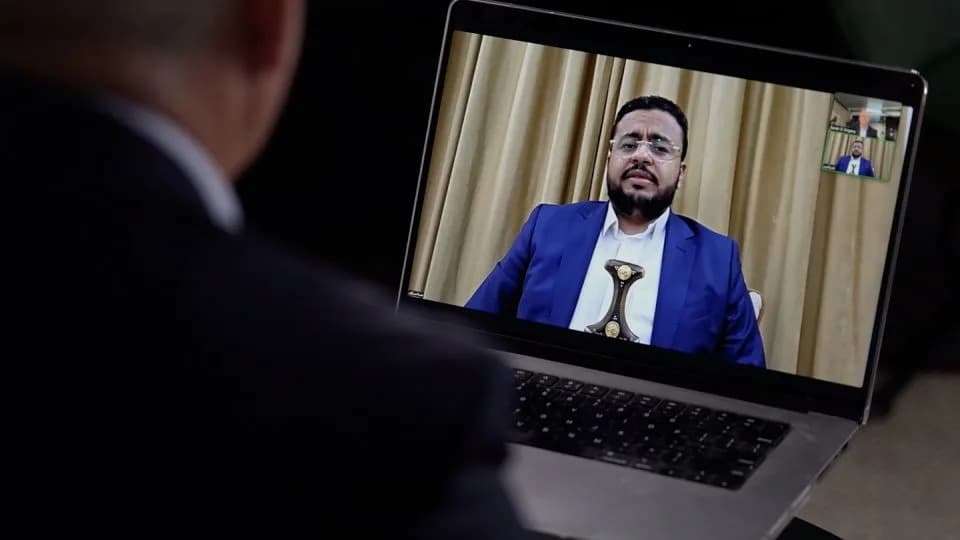
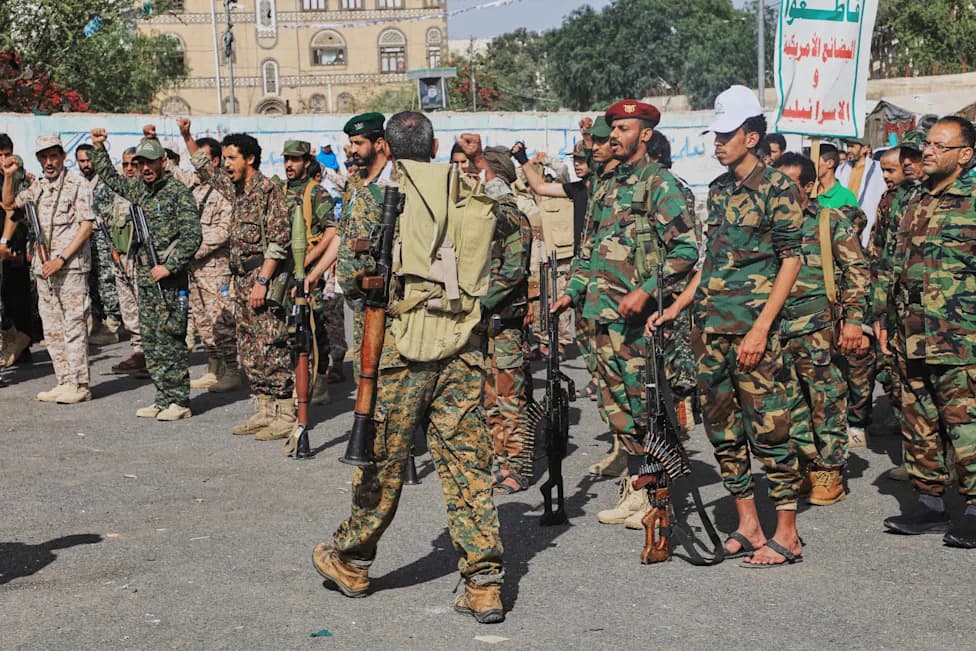
The Iran-backed Houthi rebels launched intensified missile and drone strikes on Marib, Yemen, killing and wounding government troops and civilians and threatening a fragile truce. Saudi Arabia, Turkey and Pakistan signed a trilateral defence pact pledging collective response to attacks, a move criticized by Iranian officials. The U.S. levied further sanctions targeting Iranian-linked financial networks, while maritime traffic through the Strait of Hormuz and Bab el-Mandeb remains sharply reduced. Regional militias, diplomacy and energy markets are being reshaped by the widening confrontation.
Houthi Missile and Drone Strikes Escalate in Marib as Regional Powers Forge Defence Pact
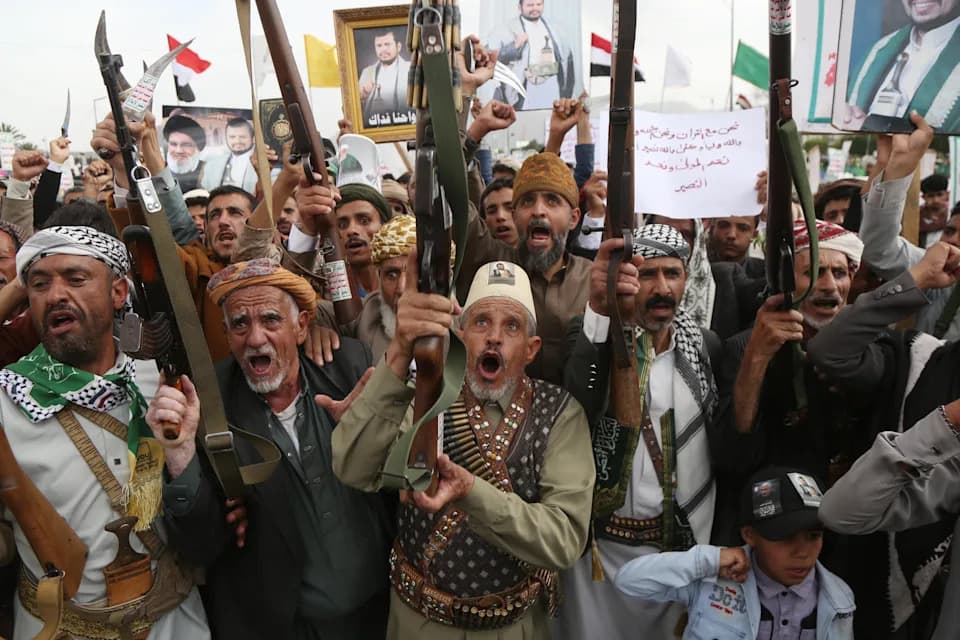
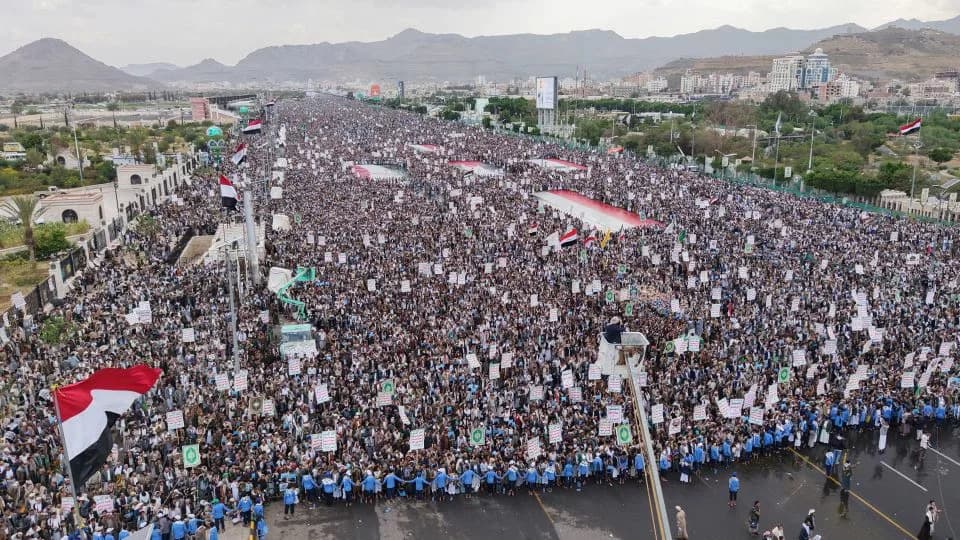
Yemeni protesters brandish weapons and shout slogans during a protest staged against the continued Saudi-led blockade on Yemen on July 31, 2026 in the capital Sana'a. / Credit: Mohammed Hamoud / Getty Images
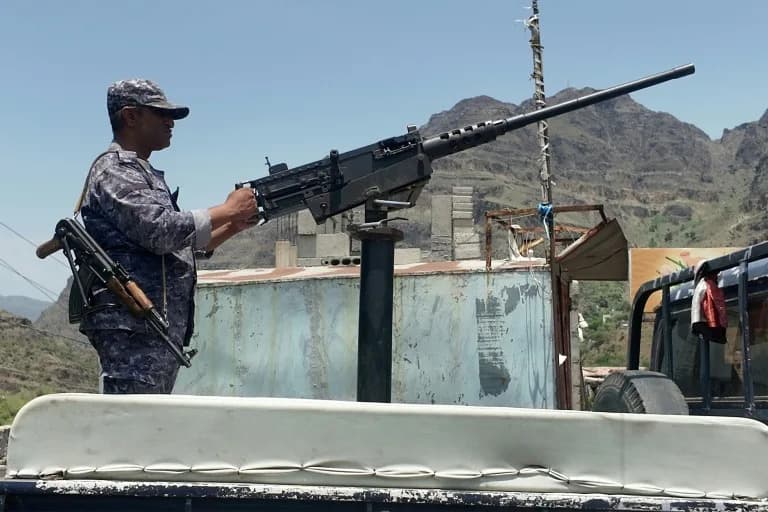
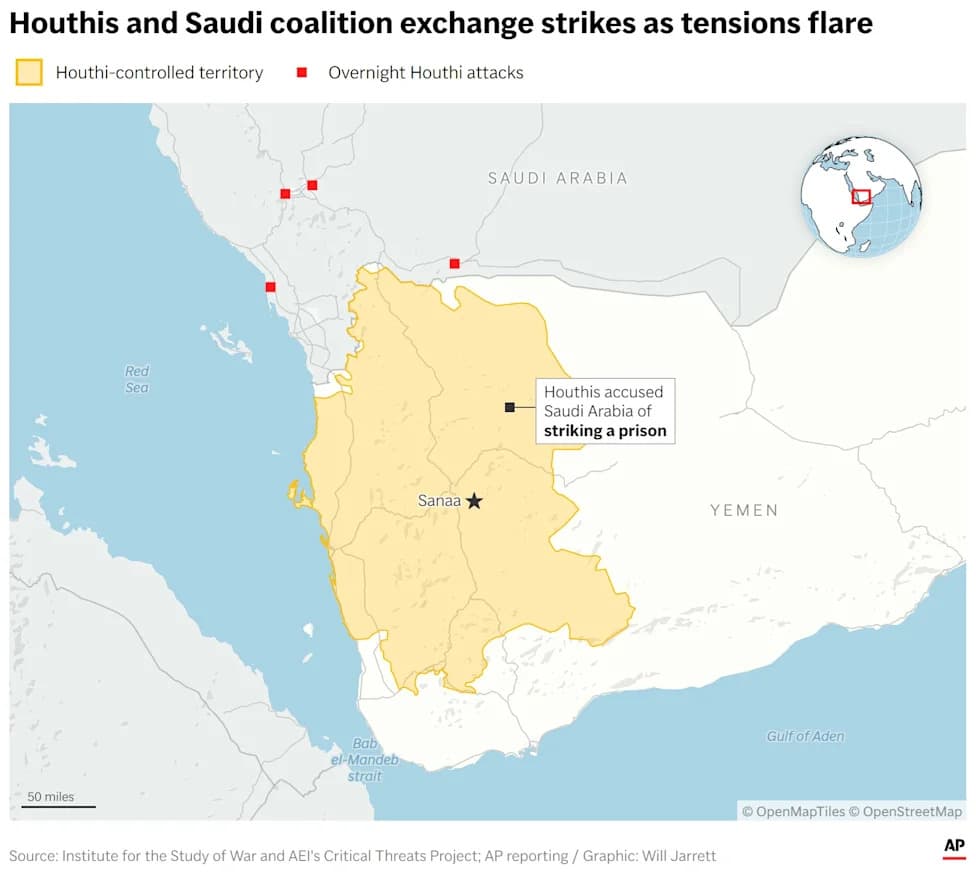
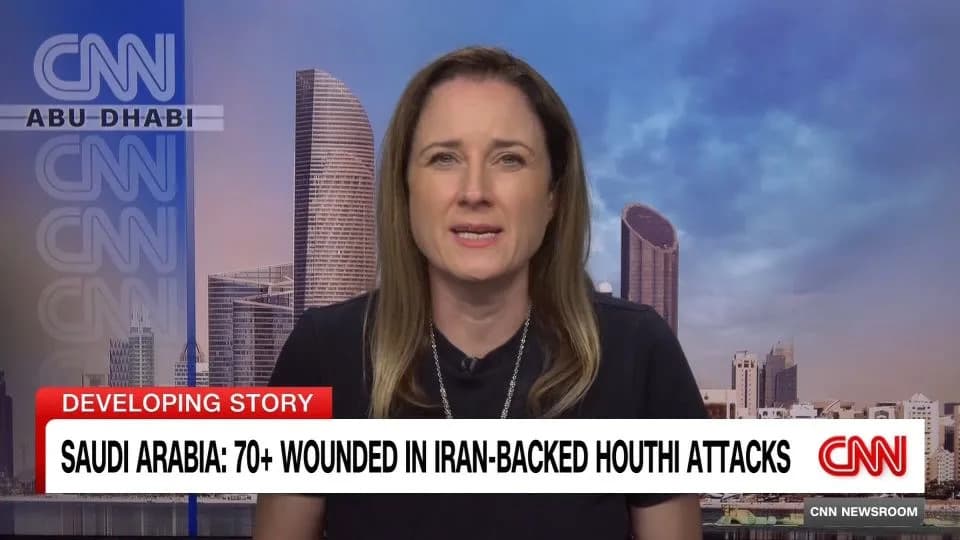
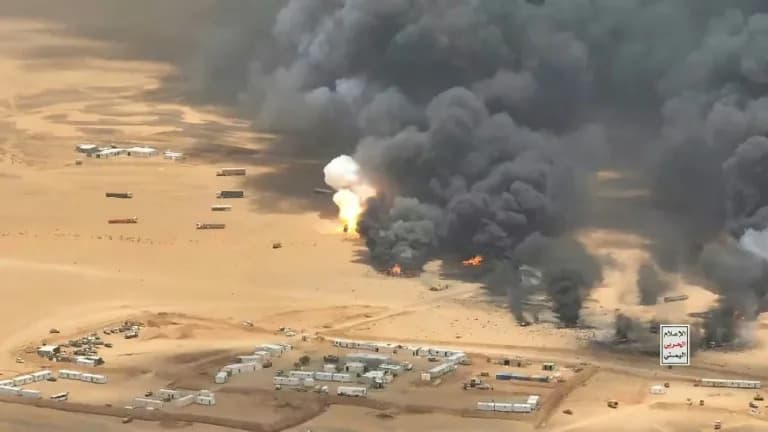
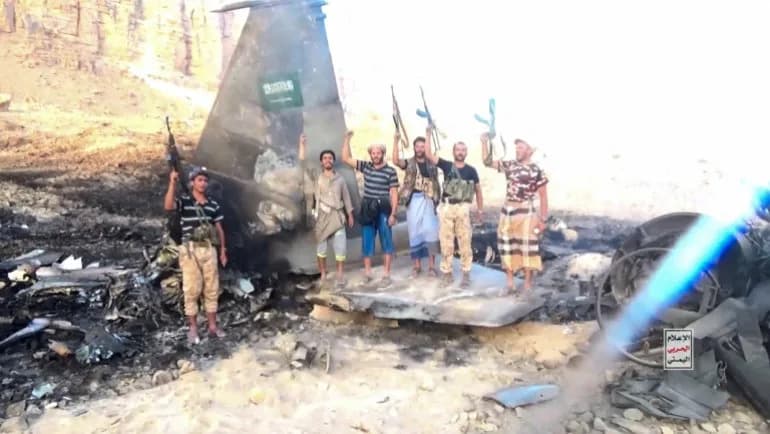
Iran-backed Houthi forces stepped up missile and drone strikes on the eastern Yemeni city of Marib, killing and wounding scores of government troops and civilians and raising fears the fragile 2022 truce could collapse.
Recent Violence in Marib
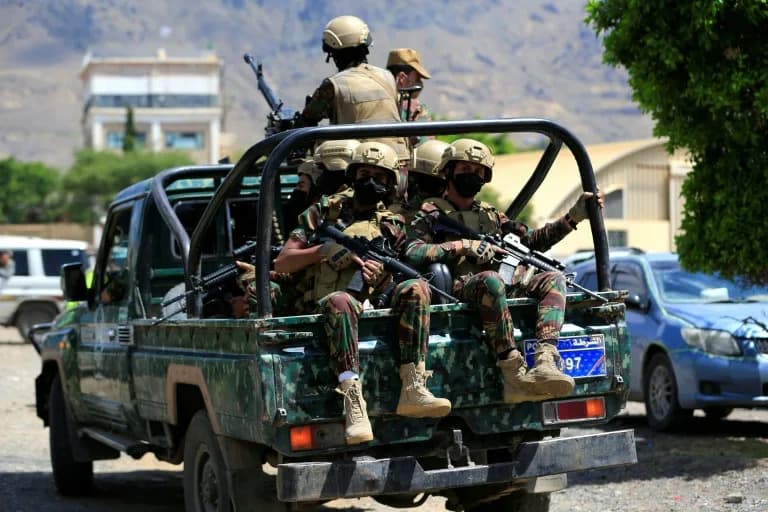
Yemeni state media and multiple officials reported fresh attacks on government positions and nearby displacement camps. Casualty figures vary: some military sources and AFP cited as many as 58 government troops killed in Thursday's barrage, while the Saudi-backed Joint Operations Command confirmed at least 17 soldiers and officers dead. Yemen's health minister said shelling of residential areas and displacement camps killed civilians and wounded others.
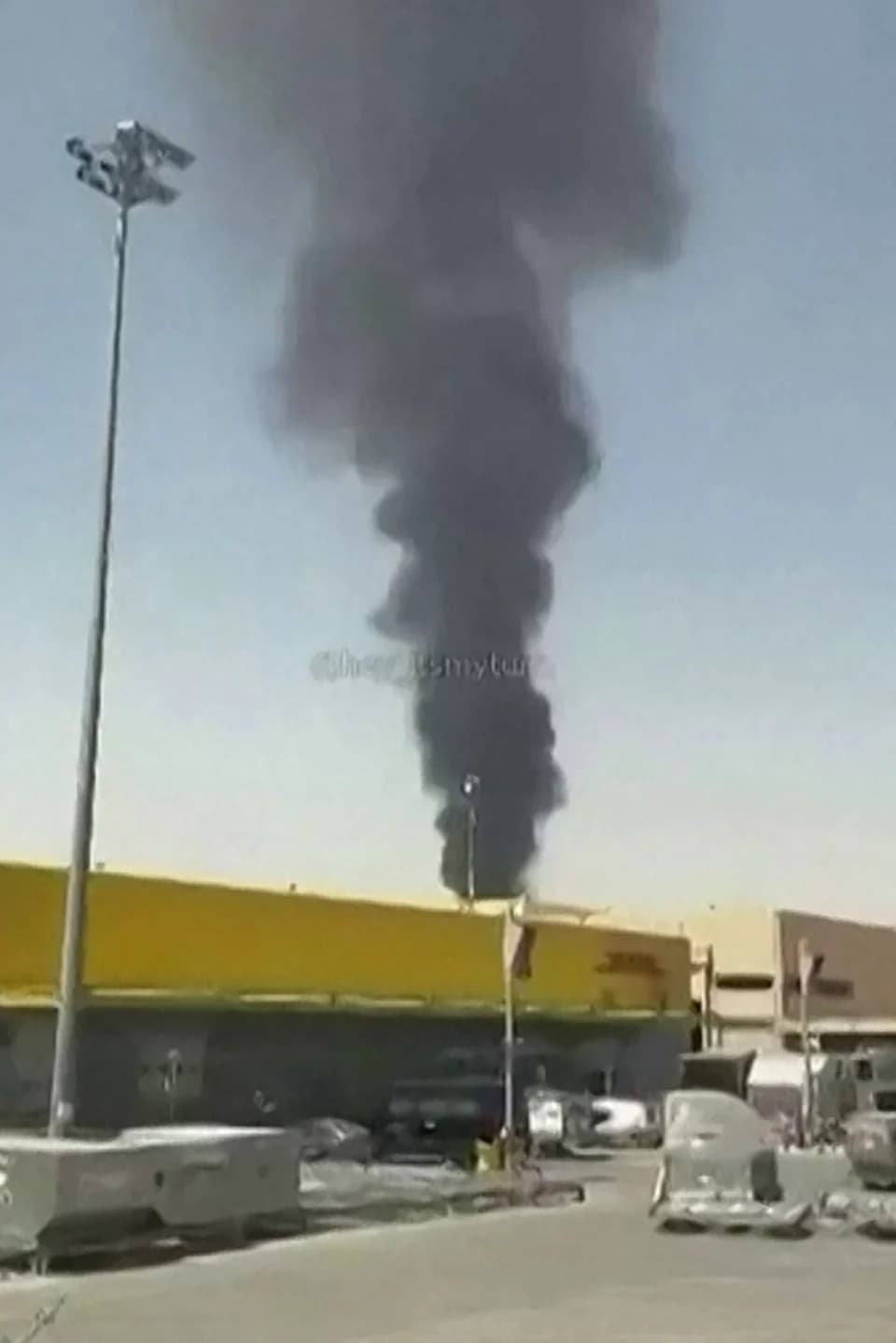
Houthi military spokesman Yahya Saree described the operation as a "large-scale and special military operation" targeting what the group called Saudi-backed build-ups in Marib and Hadramawt. Yemeni forces reported shooting down several incoming Houthi drones while videos on social media showed smoke rising over the city.
Coalition Response And Cross-Border Effects
A source close to the Saudi-led coalition said the coalition would not "stand idly by" as the Houthis escalate attacks, and coalition spokesman Turki al-Maliki accused the rebels of firing indiscriminate projectiles into civilian zones; Saudi authorities reported wounded civilians in the southern Najran region, including cases with burn injuries.
Regional Diplomacy And Defence Pact
Amid the violence, Saudi Arabia, Turkey and Pakistan signed a trilateral defence agreement pledging collective response if any member is attacked. Saudi officials framed the pact as a measure to strengthen deterrence and defence cooperation rather than form a sectarian bloc or spark an arms race. Iranian politicians dismissed the pact as insufficient; a senior Iranian official urged Muslim unity against external threats, and lawmaker Ebrahim Rezaei said the agreement would not provide real security.
Sanctions, Shipping And Energy
The U.S. announced another round of Iran-related sanctions targeting Shahr Bank and two Dubai-based exchange houses, Titan Exchange and Alps International, which U.S. authorities say helped channel oil revenue for Iranian exporters. A Treasury Department official said the department will continue to identify networks that help sustain the Iranian regime and to cut them off from the U.S. financial system.
Maritime traffic has been sharply reduced: analytics firm Kpler reported just eight commercial transits through the Strait of Hormuz on a recent day (down from roughly 130 a day before the crisis) and about 26 crossings through the Bab el-Mandeb, far below pre-conflict volumes. Energy markets reflected the disruption: Brent crude traded above $83 a barrel and U.S. gasoline prices remained elevated.
Other Notable Developments
Pro-Iran factions in Iraq adjusted their posture: the Islamic Resistance in Iraq postponed a planned attack on Saudi Arabia after an appeal by militia leader Hadi al-Amiri. CBS News said it obtained a new audio message from detained U.S. journalist Reza Valizadeh at Tehran's Evin Prison, where he updated on his condition and that of another U.S. detainee.
The U.S. Army announced a plan to open test ranges to private companies to accelerate development and procurement of missiles, drones and other systems, while U.S. political leaders continue to debate munitions stocks and diplomatic options related to the broader Iran confrontation.
Implications
The escalation in Yemen underscores how localized proxy conflicts are cascading into wider strategic realignments, disrupting shipping lanes and energy markets and prompting new defence cooperation among regional powers.
Help us improve.