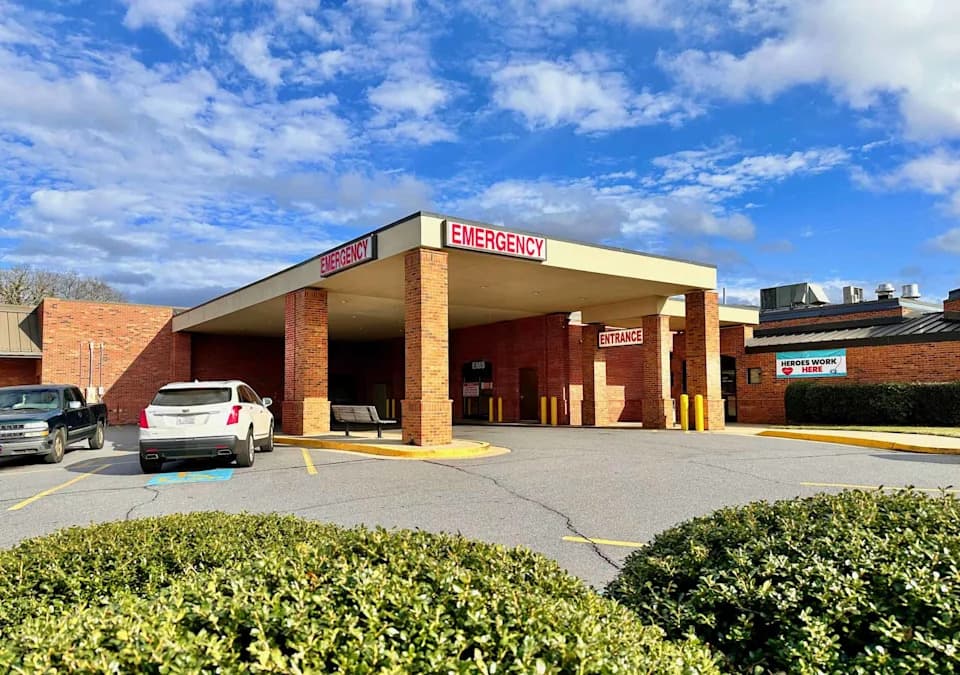
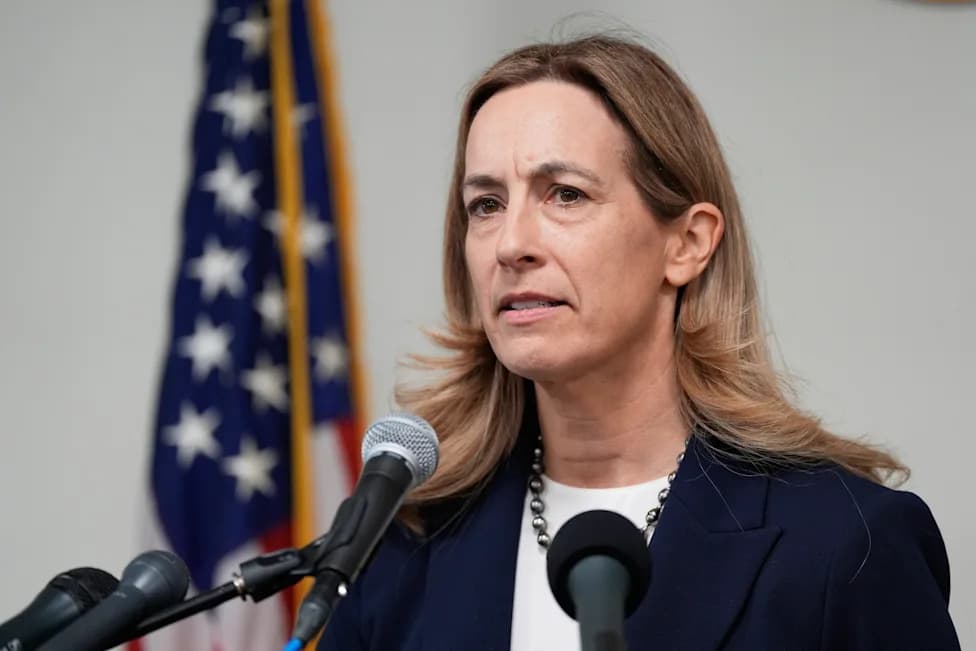
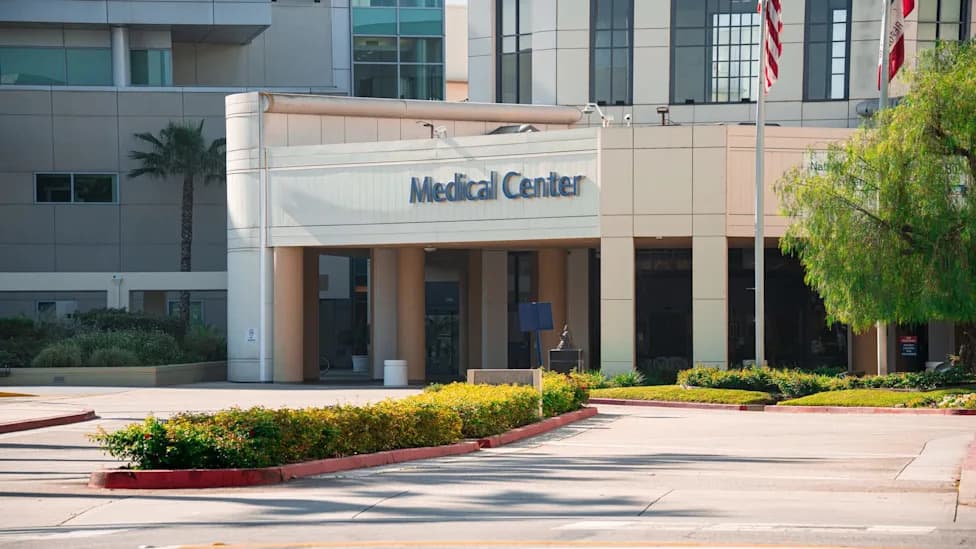
CMS has deferred $867 million in Medi‑Cal payments for Q2 2026 while it investigates irregularities in California's Medicaid spending. The agency singled out a nearly 24% two‑year surge in In‑Home Supportive Services (IHSS) and deferred $390M for unexplained growth plus about $255M for suspicious caregiver claims. Roughly $220M was withheld over payments tied to beneficiaries with questionable immigration status. CMS is urging immediate state reforms to restore program integrity.
CMS Freezes $867M in Medi‑Cal Payments After Detecting Widespread Irregularities

An image collage containing 2 images, Image 1 shows Robert F. Kennedy Jr. speaking at a podium with the HHS logo and
The Centers for Medicare & Medicaid Services (CMS) has deferred $867 million in federal payments to California's Medicaid program, Medi‑Cal, after a review found multiple alarming anomalies. CMS officials say the move is a targeted, investigatory step while state spending and billing are examined in greater detail.
Primary Concern: IHSS Spending Spike

Finding waste, fraud and corruption in Medicaid is a lot like diagnosing illness in a human body. You do an initial check-up and if something seems off, you order more tests. REUTERS
The agency's biggest concern centers on California's In‑Home Supportive Services (IHSS) program, which pays largely individual caregivers to help beneficiaries with daily living tasks. Over the past two years, IHSS expenditures in California rose by nearly 24%—almost double the growth rate for comparable personal‑care spending nationwide—making the state a clear outlier.
Because the state's IHSS spending growth exceeded the national average, CMS deferred more than $390 million to cover the portion of that increase the state has not yet explained. In addition, CMS flagged roughly $255 million in claims from caregivers that appear suspicious: billing for services to deceased beneficiaries, reporting caseloads that exceed what is physically plausible, appearing as statistical outliers, or showing other unusual patterns.
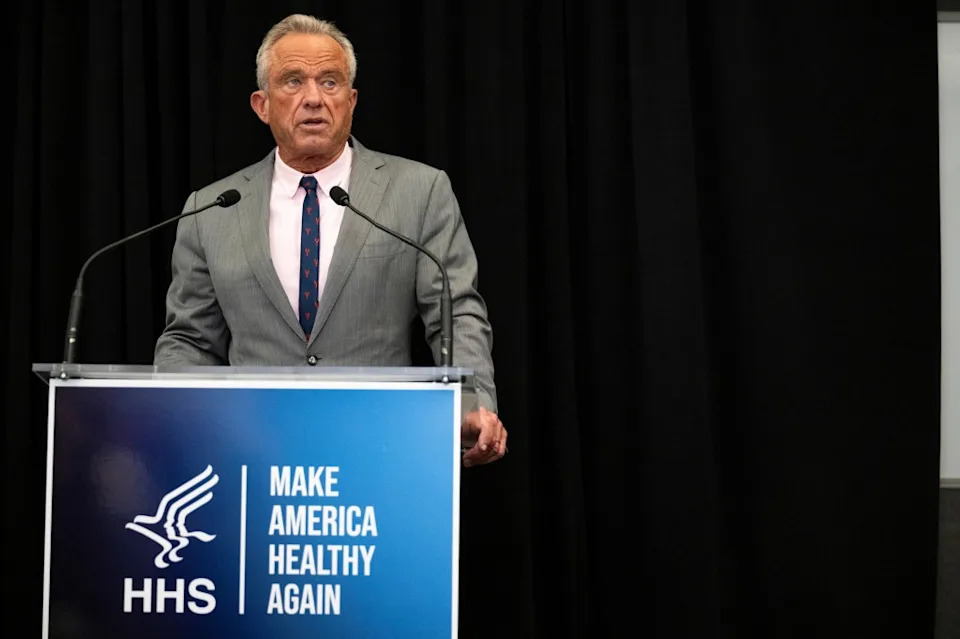
During a review of state-by-state Medicaid spending, CMS saw major warning signs that could not be ignored. As a result, we deferred payment of $867 million to California for the second quarter of 2026 to take a closer look. Getty Images
Other Deferred Payments and Broader Findings
CMS also identified anomalies related to payments for beneficiaries with questionable immigration status and other atypical expenditures, deferring about $220 million tied to those items. Agency officials said many of the red flags were obvious in routine financial reports and did not require complex forensic accounting to uncover.

We also deferred nearly $255 million in suspicious claims from caregivers who billed Medicaid for services to dead people, who claimed they treated more patients than they could handle at one time; who showed up as statistical outliers among top IHSS billers; or who exhibited other irregularities. REUTERS
"We ran the tests, analyzed the results and recommended governance and program changes to California," CMS said, framing the intervention as a necessary step to protect federal taxpayer dollars.
Context and Potential Drivers
CMS officials pointed to systemic issues that can weaken program integrity: weak state oversight, rapid program expansion, and political incentives tied to organized labor representing IHSS caregivers. The agency cited labor complaints alleging coercive union tactics and other violations of workers’ rights—claims that, while not the formal basis for the payment deferrals, help explain how enforcement gaps can persist.
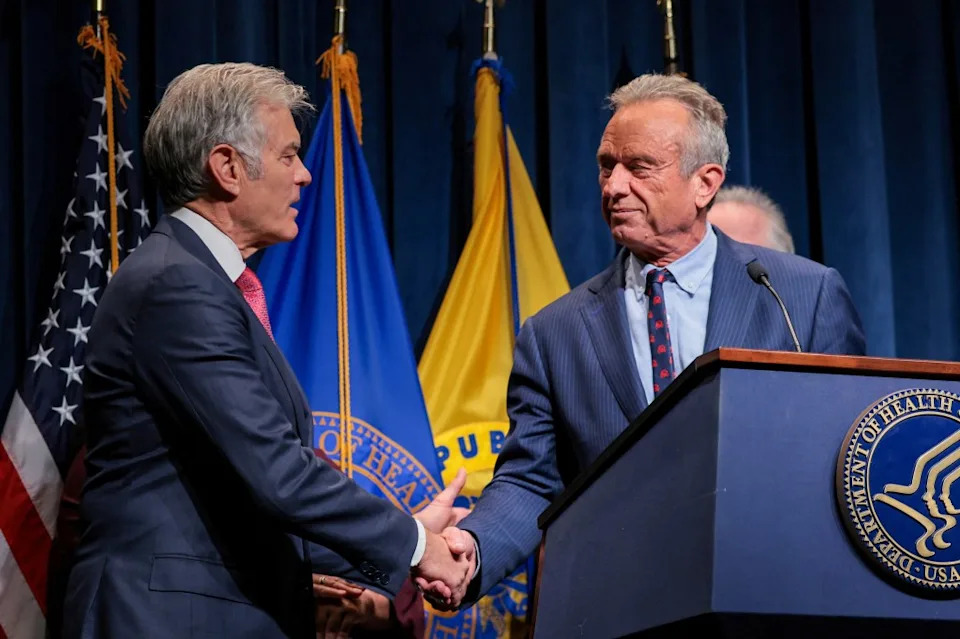
U.S. Secretary of Health and Human Services Robert F. Kennedy Jr. and Center for Medicare & Medicaid Services Administrator Dr. Mehmet Oz shake hands during a press conference at the U.S. Department of Health and Human Services in Washington, D.C., on Tuesday, July 21, 2026. The press conference was held to discuss new actions HHS and the White House Anti-Fraud Task Force are taking to combat healthcare fraud. (Kylie Cooper) REUTERS
CMS also highlighted other striking outliers—such as a reported 1,500% increase in the number of hospice providers in California between 2010 and 2022—as examples of atypical growth that merits scrutiny.
Next Steps
CMS says it has directed program‑integrity specialists to review California’s expenditure reports line by line and has recommended governance and operational changes. The agency has urged state officials to provide explanations and corrective action; absent satisfactory responses, further federal action could follow.
The review and deferral decision were announced alongside broader federal anti‑fraud efforts. U.S. Secretary of Health and Human Services Robert F. Kennedy Jr. and CMS Administrator Dr. Mehmet Oz discussed new measures at a July 21, 2026, press conference, and Dan Brillman, CMS’s director of Medicaid and deputy administrator, is overseeing related enforcement work.
Authors: Dr. Mehmet Oz, Administrator, Centers for Medicare & Medicaid Services; Dan Brillman, Director of Medicaid and Deputy Administrator, CMS.
Help us improve.