Proposals for massive AI data centers—such as Project Marvel by QTS Data Centers—have become a major issue in Alabama's midterm campaigns due to secrecy, potential pollution and strain on water and power systems. Residents criticize nondisclosure agreements that limit local oversight. Republican Tommy Tuberville supports rapid deployment; Democrat Doug Jones calls for a one-year moratorium to establish environmental and health safeguards. Advocates want public hearings, permit comment periods and fuller disclosure.
AI Data Centers Become Midterm Flashpoint in Alabama Over Secrecy, Health and Utilities
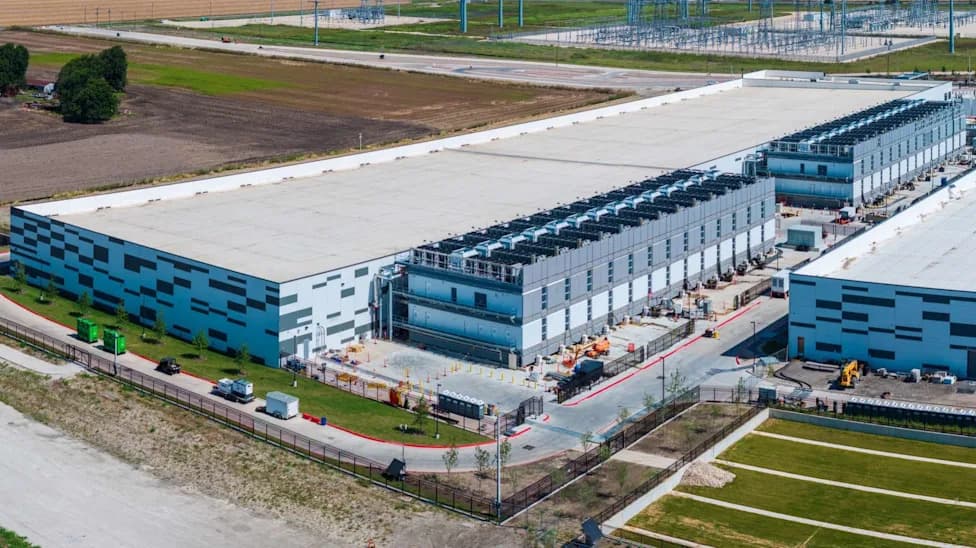
Photo Credit: iStock
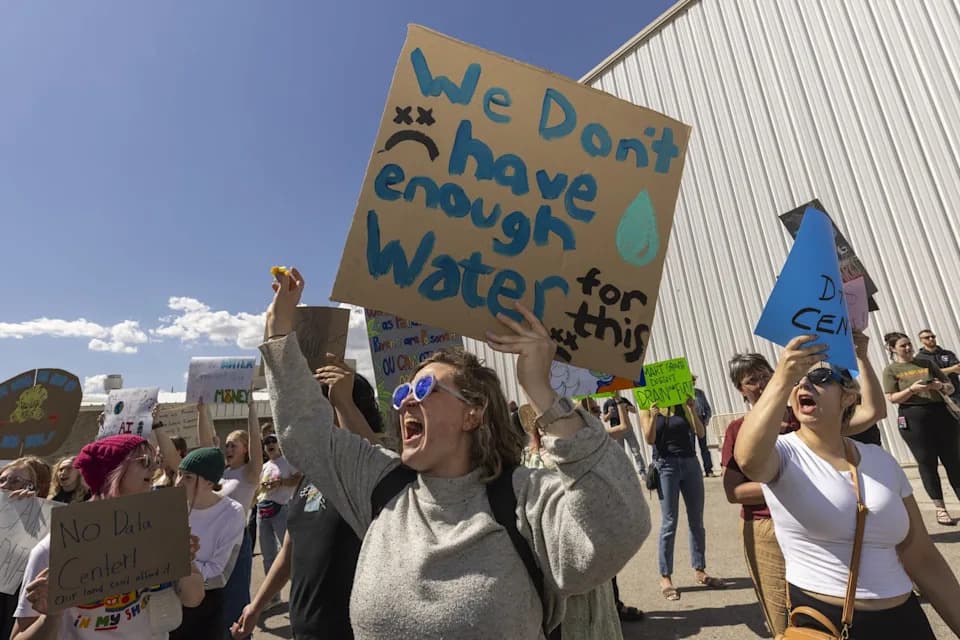
The debate over massive AI-focused data centers in Alabama has moved from zoning fights into the heart of the state's midterm campaigns, as residents, public-health experts and candidates clash over secrecy, pollution, noise and pressure on local utilities.
What’s at Stake
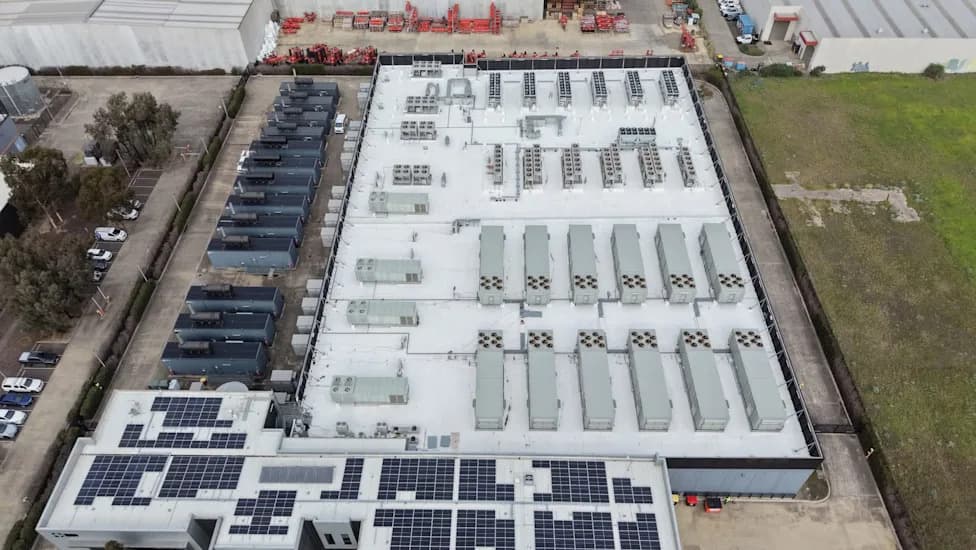
Reporting by the Alabama Reflector shows proposals for very large data facilities—including Project Marvel, backed by Virginia-based QTS Data Centers—have raised alarms because of their sheer scale and limited transparency. One proposed site in Bessemer has been described as roughly the size of 18 Walmart Supercenters.
Transparency and Local Control
Residents and advocates say nondisclosure agreements signed by local officials have obscured key details about water use, electricity demand and emissions. Critics argue that NDAs leave communities unable to evaluate likely impacts before approvals proceed.
"They want to hear cicadas over the hum of generators. They want to see the night sky, not the lights of a data center or some other extractive industry running business 24/7," said Justinn Overton, executive director of Coosa Riverkeeper.
Health, Environment and Infrastructure Concerns
Public-health experts warn that cooling systems, large electrical loads and diesel-powered backup generators can produce nitrogen oxides and particulate matter linked to respiratory and cardiovascular problems. Kris Zierold, a public-health professor at the University of Mississippi, noted the potential for increased NOx emissions; Jilisa Milton of the Greater-Birmingham Alliance to Stop Pollution highlighted risks from particulates.
Legal and utilities experts also ask whether local water and power infrastructure can support facilities of this size without affecting current customers. Ryan Anderson, staff attorney at the Southern Environmental Law Center, framed the question as whether the state can accommodate these projects "without impacting current customers or the people that live here."
Politics and Positions
Political candidates have sharply different approaches. Republican gubernatorial nominee Tommy Tuberville has championed rapid development of data centers—calling them important for domestic capability and national security—and has dismissed some public-health worries. Democratic nominee Doug Jones has urged a one-year moratorium to create regulatory "guardrails and policies" before approving additional large-scale facilities.
Next Steps Sought by Advocates
Community groups are calling for greater disclosure from developers and officials, public hearings, formal permit comment periods and independent environmental reviews so residents can assess impacts and trade-offs. Proponents counter that AI and large-scale computing can help optimize energy systems, improve forecasting and accelerate clean-energy integration—but they acknowledge the infrastructure demands are substantial.
The debate in Alabama reflects a broader national challenge: how to balance technological and economic development with environmental protection, public health and community consent.
Help us improve.