The discovery and removal of a fire ant nest in Lamington National Park highlights the threat invasive species pose to even World Heritage rainforests. Fire ants can spread via freight, floods and queen flights and are difficult to contain. Experts warn of severe ecological, agricultural and health impacts — including an estimated $2 billion annual cost if they become established — and call for sustained funding (~$300 million/year) to prevent widespread invasion.
Fire Ant Nest Discovered in Lamington World Heritage Rainforest — Experts Warn of Wider Threat
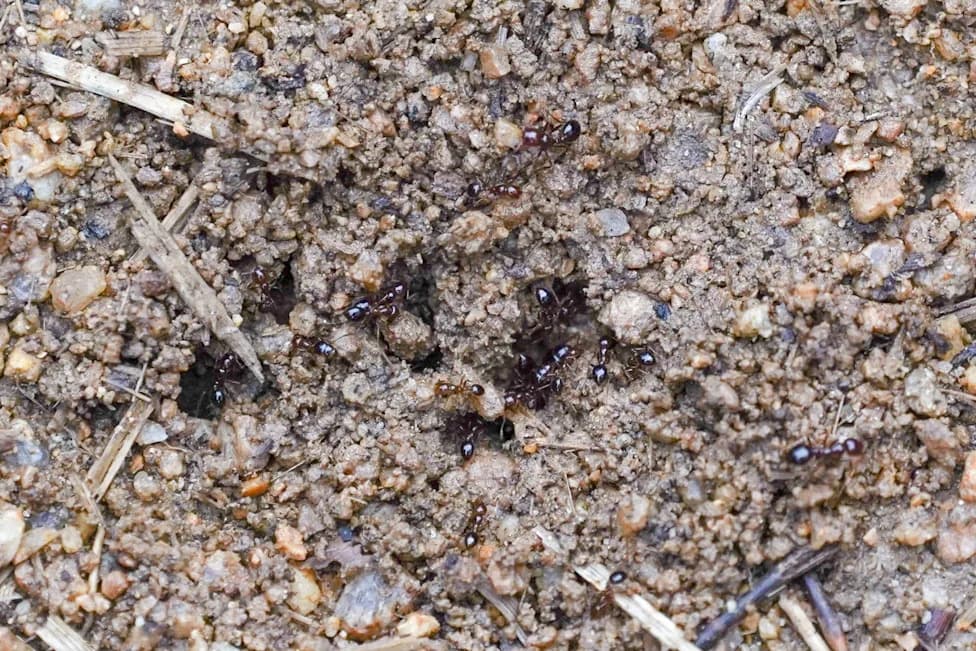
Photo Credit: iStock
A fire ant nest found and destroyed in Lamington National Park on Queensland's Gold Coast has renewed concerns about the ability of invasive species to reach even the most protected and ancient ecosystems.
Detection and Response
Authorities located a single nest in a clearing within the World Heritage-listed rainforest and eliminated it before it could spread. The rapid response has been hailed as a successful example of active biosecurity measures in action.
What Officials Found
Fire ants (native to South America) were first recorded in Australia in 2001 and are believed to have arrived via freight. The species is hard to control: it tolerates extreme conditions, can move in soil and cargo, survives floods by floating, and spreads through long-distance queen flights — about 5 km per year under normal conditions and up to 30 km when conditions favor dispersal.
Why the Find Matters
The discovery inside a Gondwanan rainforest — habitat that supports unique species and biodiversity that is difficult or impossible to restore once lost — shows no area is automatically safe from invasion. The Invasive Species Council described the find as especially worrying because fire ants are not typically associated with rainforest environments.
Reece Pianta, Director of the Invasive Species Council: "Fire ants are one of the worst invasive threats to Australia's wildlife. A failure to eradicate them in south-east Queensland will see them spread across most of the country."
Economic, Agricultural and Health Risks
Researchers warn that if fire ants become widely established across Australia the annual economic toll could reach about $2 billion. Agricultural output could fall by as much as 40%, and healthcare services could face more than 100,000 additional medical appointments per year because of stings and related injuries.
What’s Needed Next
Officials and scientists say early detections only matter if follow-up programs are sufficiently funded and sustained. A 2021 government study cited estimates that Australia may need to invest up to $300 million per year to prevent establishment and limit long-term costs. Experts warn that bureaucratic delays or funding shortfalls could undermine current gains.
Bottom line: The eradication of this nest shows rapid-response systems can work, but long-term investment and coordinated action are required to protect fragile ecosystems, agriculture and public health from a potentially costly and widespread invasion.
Help us improve.