Beekeepers in Queensland and nearby regions report the coordinated theft of roughly 800,000 bees after thieves removed whole brood boxes—an indication of a professional operation. The stolen colonies represent tens of thousands of dollars in value and jeopardise pollination contracts for crops such as avocados. Authorities are investigating, and the impact is worsened by the spread of the varroa mite after eradication efforts were abandoned following more than $100 million in containment spending. Industry sources warn these combined pressures pose serious risks to apiarists and dependent growers.
Coordinated Bee Thefts in Queensland: 800,000 Bees Stolen, Threatening Pollination Contracts
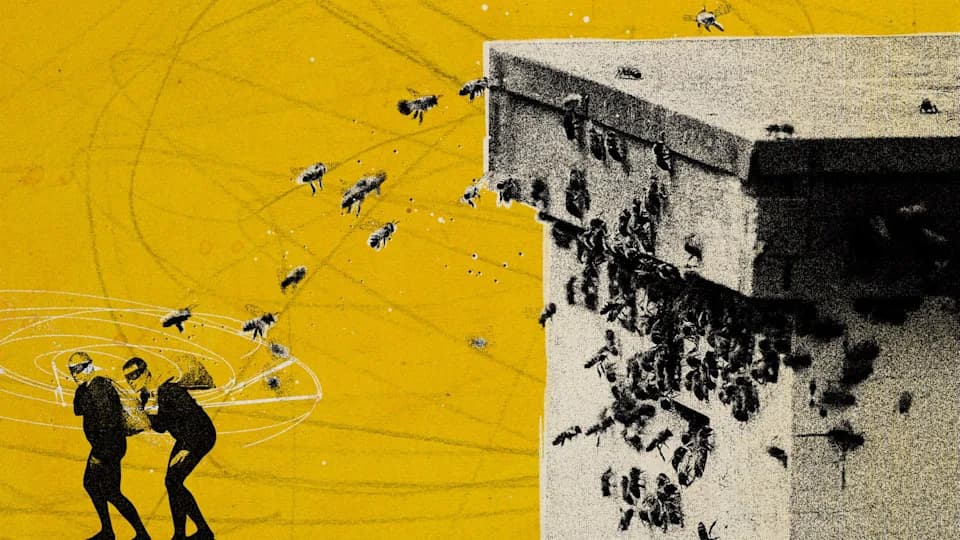
When their bees are stolen, beekeepers don't just lose insects and honey, but valuable pollination contracts too. | Credit: Illustration by Julia Wytrazek / Getty Images
Beekeepers across Queensland and neighboring regions are reeling after what investigators describe as coordinated thefts that removed an estimated 800,000 bees from multiple apiary sites.
Police and industry sources say thieves took entire brood boxes—the part of a hive that houses the colony's brood and queen—rather than just harvesting honey. That detail suggests a professional, commercial operation rather than opportunistic theft by hobbyists.
'I'm completely gutted because the amount of work that goes in preparing beehives to a good quality, to a high standard, is quite a lot of work,' said commercial beekeeper Jack Laughton. 'It's a bit of a shock to the system to open a hive expecting it to be full of healthy bees and there's just nothing.'
Apiarists warn the losses are not limited to insects and seasonal honey yields. Many stolen colonies were contracted for pollination services on avocado farms and other crops across Queensland—services that can be worth thousands of dollars per contract. Losing established colonies threatens those revenues and risks knock-on effects for regional food production.
Tom Bidner, who keeps bees on the Atherton Tablelands west of Cairns, reported that 44 colonies were taken from three beekeepers so far. He said the full tally may rise as apiarists continue to inspect numerous scattered sites: 'The calculation of how many have been taken isn't over yet because we have so many colonies to get through and we're still getting around and checking all our different sites.'
This wave of thefts follows a similar incident in May, when roughly 80 hives—valued at about $150,000 (approximately £80,000)—were stolen from properties in New South Wales. Local industry figures told The Guardian the likely culprit in that case was another beekeeper who would have a use for the hives.
Investigation and Wider Risks
Police are investigating and appealing for information that might lead to the recovery of the missing colonies or to identify those responsible. Authorities ask anyone with dashcam footage, unusual vehicle activity near apiary locations, or sightings of whole brood boxes for sale to come forward.
The thefts come as Australian beekeepers continue to confront the spread of the varroa mite. First detected on the continent in 2022, varroa became widespread within a little over a year and prompted the government to abandon eradication efforts after more than $100 million in containment spending. That decision has transferred additional costs and biosecurity burdens onto apiarists, making recovery from thefts that remove established colonies even more difficult.
Industry representatives warn the combination of organised thefts, the high economic value of rented pollination services, and ongoing varroa challenges creates serious risks for commercial beekeeping businesses and for growers who rely on hired hives. Police continue to seek leads and local beekeepers are urging increased vigilance and reporting.
Help us improve.