UN Special Envoy Hans Grundberg warned that Yemen is now at its highest risk of renewed large-scale conflict since the April 2022 truce. He pointed to Houthi attacks in Ma'rib and Hadramawt, strikes on civilian infrastructure including airports, and assaults on commercial shipping in the Red Sea and Gulf of Aden as key escalation points. Grundberg said he is intensively engaging Yemeni parties, regional actors and international partners to pursue de-escalation and stressed that a diplomatic path remains possible but will require political will and hard choices.
UN Envoy Warns Yemen Faces Highest Risk Of Renewed Large-Scale Conflict Since 2022 Truce
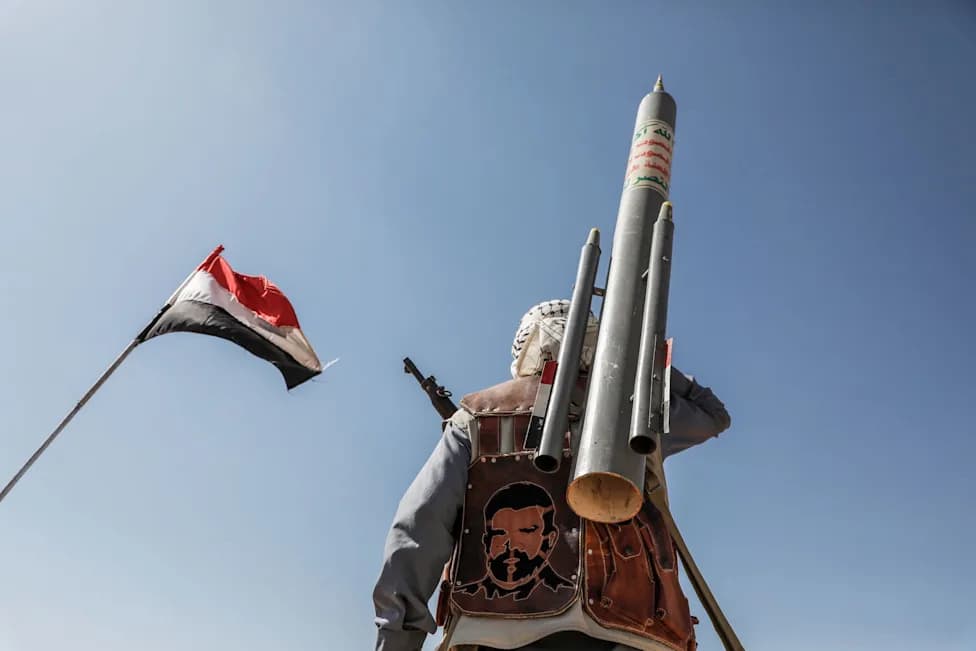
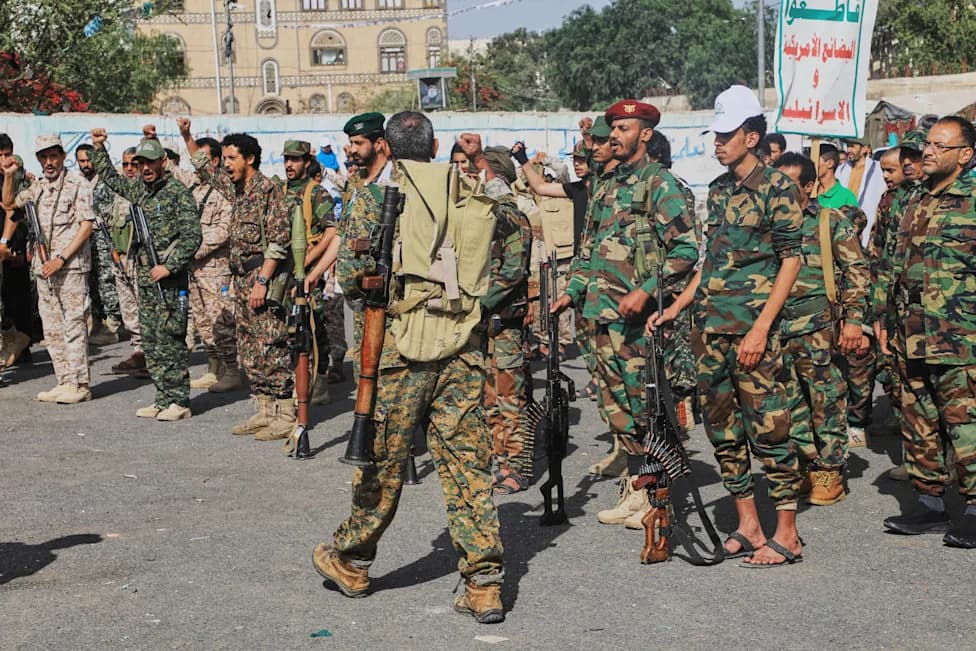
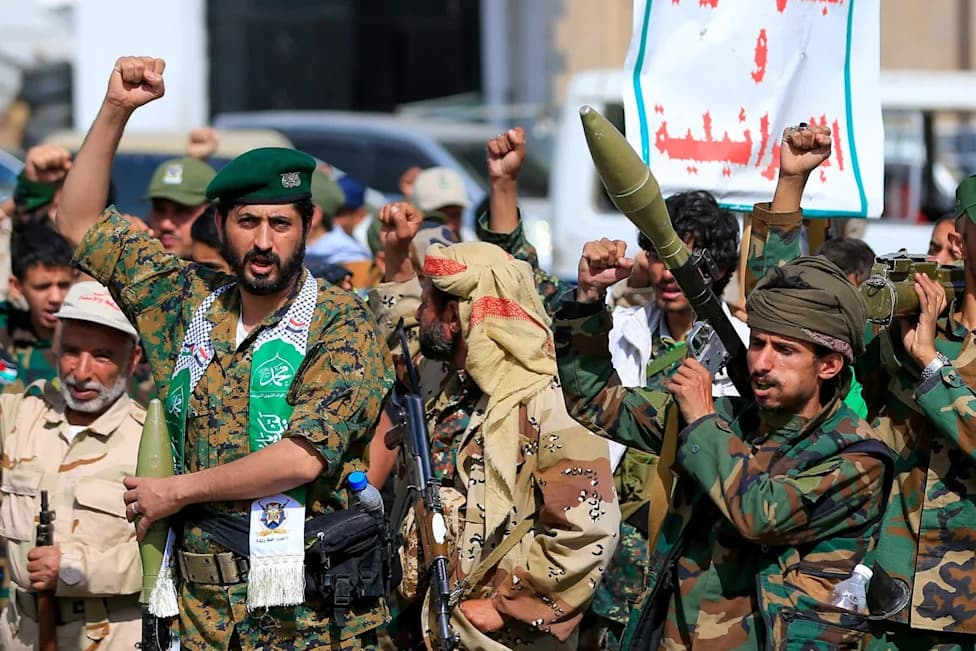
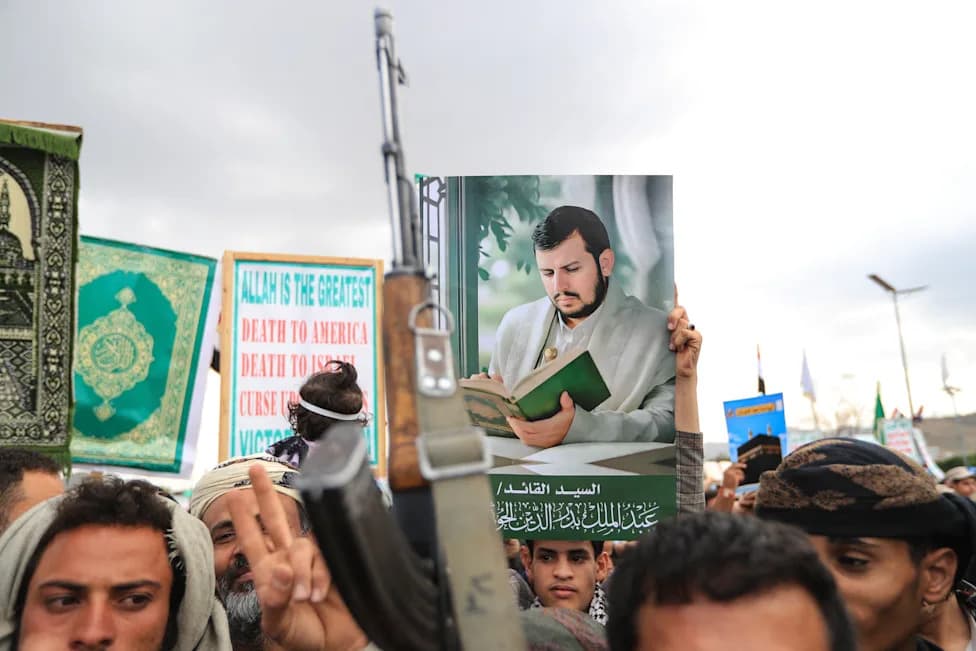
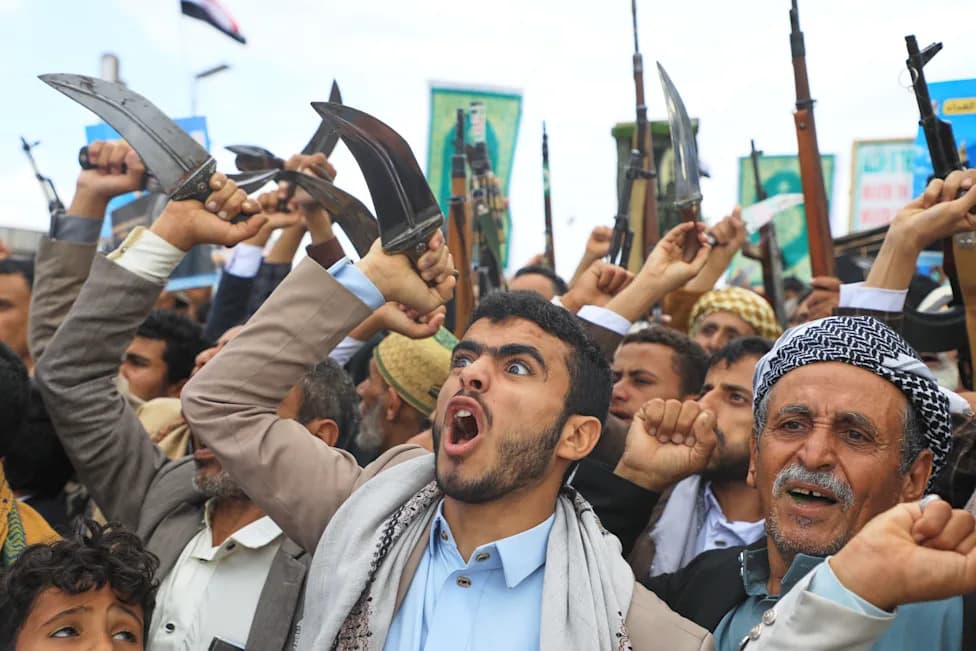
FILE PHOTO - Armed members of the Iran-backed Houthi militia take part in a demonstration against US and Israel. (is associated with: «UN envoy for Yemen warns of risk of renewed large-scale conflict») Osamah Yahya/dpa
The United Nations Special Envoy for Yemen, Hans Grundberg, warned on Friday that violence in Yemen is intensifying and that the country now faces its greatest risk of renewed large-scale conflict since the UN-brokered truce in April 2022.
"Yemen today faces a greater risk of renewed large-scale conflict than at any point since the UN-brokered truce of April 2022,"he wrote on X, expressing alarm at a series of recent escalations.
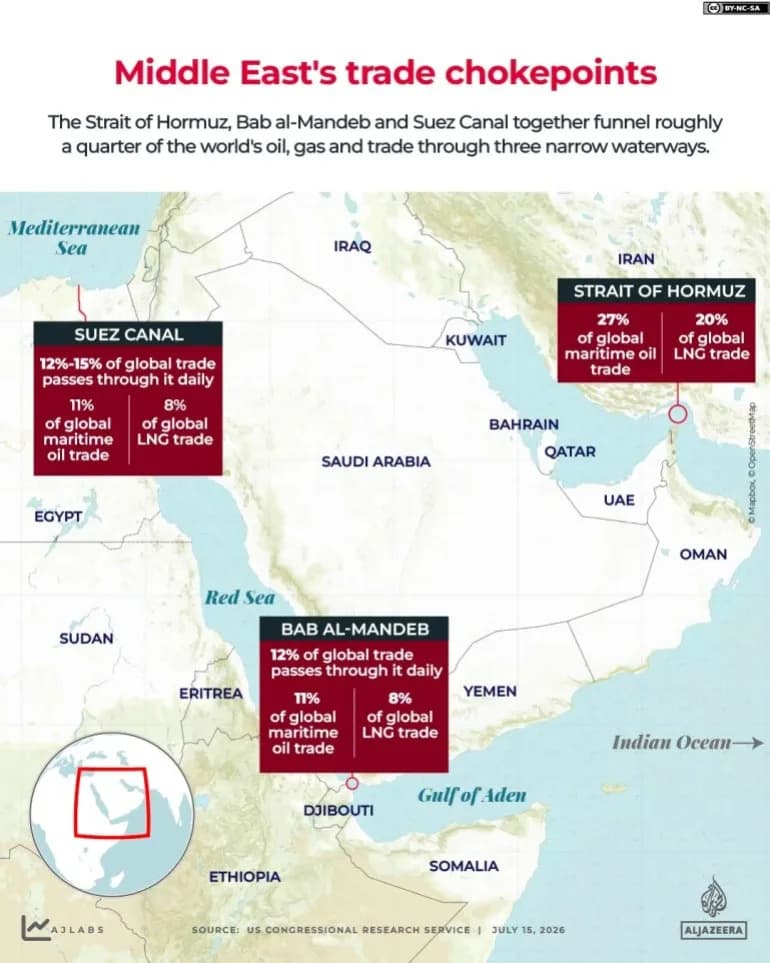
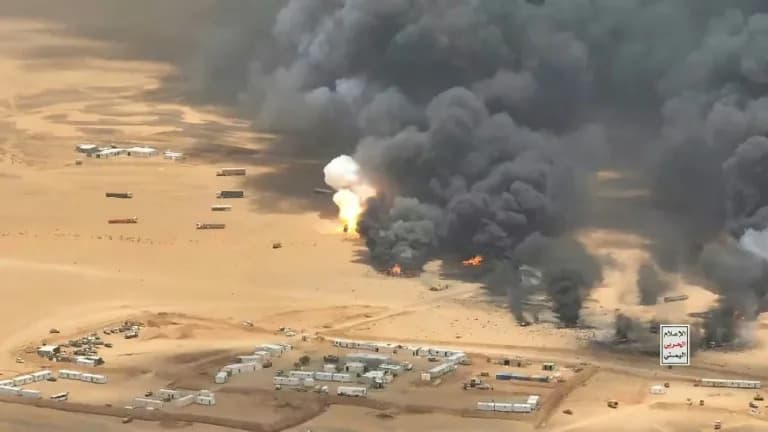
Grundberg cited recent operations by the Iran-aligned Houthi movement in the oil-rich governorates of Ma'rib and Hadramawt, which have reportedly caused significant casualties, including among civilians. He also warned that renewed attacks on commercial shipping in the Red Sea and Gulf of Aden have raised regional tensions and threatened maritime security.
He expressed particular concern about strikes on civilian infrastructure — including airports — and how such attacks could rapidly erode the relative calm that followed the 2022 truce.
"Taken together, these developments risk jeopardizing the gains of the 2022 truce, reflected in the relative calm that has held inside Yemen in recent years, while also drawing the country into a broader regional confrontation, with devastating consequences for its people."
Grundberg said he has been "engaged intensively with the Yemeni parties, regional actors and international partners to explore concrete options" for de-escalation. He added:
"I remain convinced that a diplomatic path remains available. It will require political will, difficult choices and genuine engagement from the parties."
Although the unofficial ceasefire agreed in April 2022 has largely held across many parts of Yemen, tensions have risen in recent weeks, notably between the Houthis and Saudi Arabia, which backs the internationally recognized Yemeni government. The wider conflict traces back to the Houthi seizure of Sana'a and other northern areas in late 2014, a crisis that continues to shape Yemen's humanitarian and security landscape.
What Comes Next: Grundberg and UN partners are pursuing diplomatic channels to prevent a return to large-scale fighting, but success will depend on the willingness of Yemeni actors and regional powers to pursue compromise and restraint.
Help us improve.