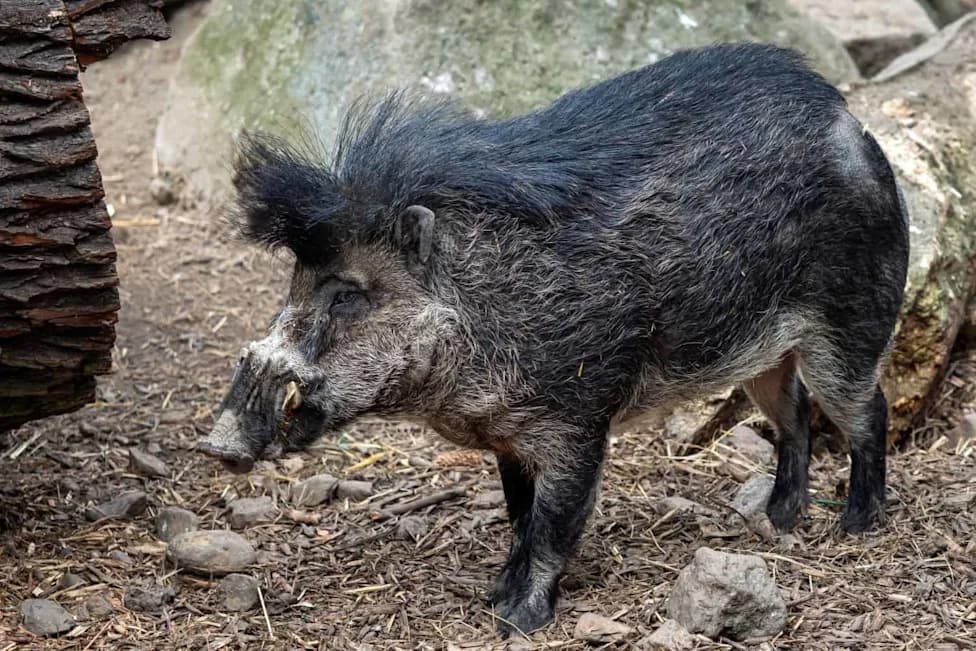
Researchers tested rectal swabs from 100 European wild boars on two commercial farms in Goiás State, Brazil, and found E. coli in 56 animals. Of those, 55 isolates (98.2%) were multidrug resistant, with common resistance to sulfonamides, tetracyclines, amoxicillin, ampicillin and doxycycline. A single Salmonella isolate lacked the virulence and resistance genes screened. The team suggests environmental reservoirs and animal mobility may spread resistance and recommends adding captive wild boars to One Health surveillance, while noting limitations including sample years (2014–2017) and coverage of only two farms.
Brazilian Wild Boars Harbor Widespread Multidrug-Resistant E. coli, Study Warns
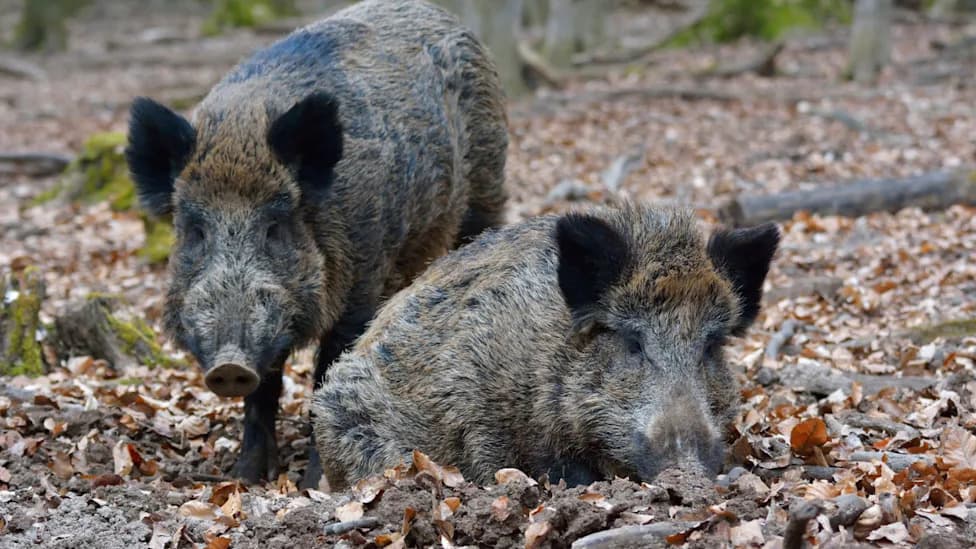
(Raimund Linke/The Image Bank/Getty Images)
Researchers in Brazil report that European wild boars reared on commercial farms can carry high rates of multidrug-resistant bacteria, highlighting a potential wildlife reservoir for antimicrobial resistance that could cross into livestock and people.
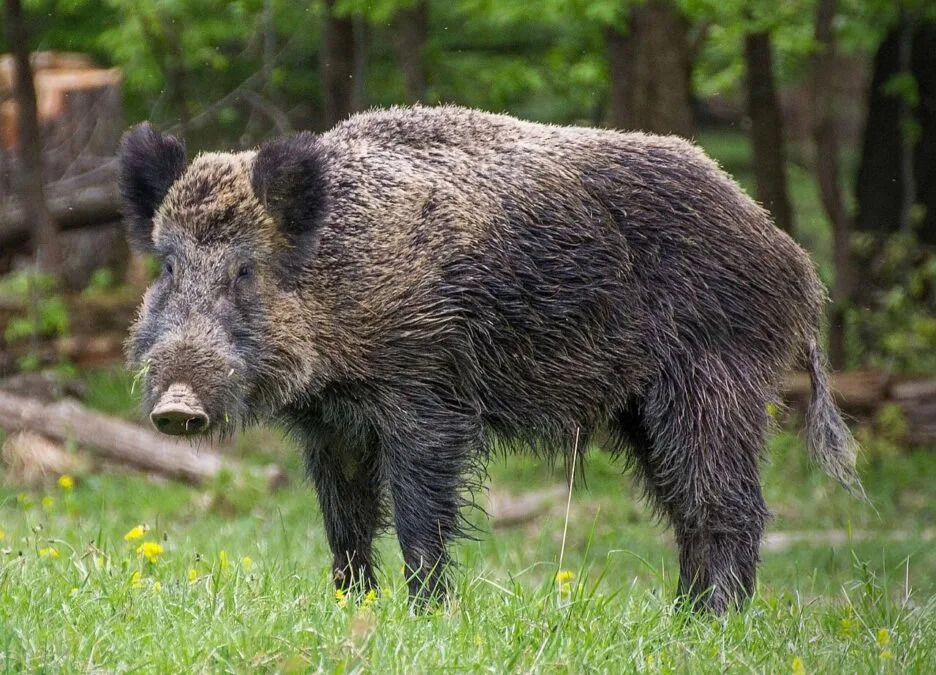
A wild boar (Sus scrofa) in the Lainzer Tiergarten nature reserve in the southwest of Vienna, Austria. (Valentin Panzirsch/Wikimedia Commons/CC BY-SA 3.0 AT)
Study Overview
Scientists collected rectal swabs from 100 European wild boars (Sus scrofa scrofa) raised on two commercial farms in Goiás State, Brazil, and tested the samples for Salmonella and Escherichia coli. Isolates were screened for antibiotic susceptibility across commonly used drugs and for genes associated with virulence.

A baby wild boar (Sus scrofa) in a wildlife park in the Netherlands. (Sander van der Wel/Wikimedia Commons/CC BY-SA 2.0)
Key Findings
E. coli: E. coli was isolated from 56 of the 100 animals. Of those, 55 isolates (98.2%) were classified as multidrug resistant (MDR), resisting antibiotics from multiple drug classes. Resistance was especially common to sulfonamides, tetracyclines, amoxicillin, ampicillin and doxycycline — many of which are inexpensive, frontline antibiotics.

YouTube Thumbnail
Salmonella: Only a single Salmonella isolate was recovered. While that strain showed resistance to several antibiotics, it lacked the specific virulence and resistance genes the researchers screened for, suggesting a lower immediate risk from Salmonella in this sample set.

Subscribe to ScienceAlert's free fact-checked newsletter
Critical Drugs: Nearly all isolates remained susceptible to ceftriaxone, a critically important antibiotic for human medicine. The authors nevertheless note that any detected resistance to such drugs merits monitoring.
Virulence Genes
About 30% of the E. coli isolates carried the tsh gene; smaller numbers carried papC and iss, which are linked to adhesion, bloodstream survival and host colonization. Several isolates harbored multiple virulence genes, potentially increasing pathogenic potential.
Possible Sources And Transmission
Farm managers reported that animals were not routinely given antibiotics, prompting researchers to consider environmental sources. Antibiotic-resistance genes can persist in soil and water, circulate among environmental microbes and move between bacteria via mobile genetic elements. Wild boars are highly mobile and frequently contact livestock, wildlife and human-modified landscapes, creating numerous pathways for resistant bacteria to spread even without direct antibiotic use.
Context And Implications
Brazil’s growing commercial wild boar farming, together with feral populations established after historical introductions, could create a sizable and expanding reservoir for antimicrobial-resistant bacteria. The researchers recommend integrating captive wild boars into One Health surveillance networks that connect human, animal and environmental health monitoring.
Limitations
- Samples were collected between 2014 and 2017, so the current situation may differ.
- Animals came from only two commercial farms in a single state.
- Antibiotic-use data were based on farm managers’ reports and not independently verified.
Conclusion: The study provides some of the first detailed data on antibiotic resistance in wild boars in Brazil and underscores that combating antimicrobial resistance requires surveillance beyond hospitals — including wildlife and farmed animals that move across ecosystems.
Read the full report in Archives of Microbiology.
Help us improve.