Multiple simultaneous foodborne outbreaks in the U.S.—including Cyclospora, Salmonella, Listeria, E. coli and infant botulism—are raising alarms about food-safety gaps. Experts point to climate change, rising antimicrobial resistance and reduced federal pathogen reporting as contributors. Authorities urge stronger monitoring, improved supply-chain controls and coordinated responses to prevent recurring and larger outbreaks.
Foodborne Illnesses Surge in U.S.: 6 Outbreaks to Watch as Climate Change and Reduced Reporting Raise Alarm

Stock image of someone with an empty basket at the grocery storeCredit: Getty
Concerns are rising about the safety of the U.S. food supply as multiple foodborne outbreaks occur simultaneously. Public-health experts say climate change and rising antimicrobial resistance are increasing contamination risk and making infections harder to treat, while recent cuts to federal surveillance have weakened outbreak detection.
Why This Is Happening

Stock image of shredded iceberg lettuceCredit: Getty
Yuki Minato, a World Health Organization technical officer for food safety and senior author of a paper in The Lancet Global Health, warned that climate-driven contamination risks and growing antimicrobial resistance are compounding the burden of foodborne disease: "We cannot tackle these threats alone." Experts also point to reduced federal reporting: the CDC recently ended mandatory notification for several foodborne pathogens, leaving only Salmonella and Shiga toxin–producing E. coli as federally reportable conditions.
Expert Views
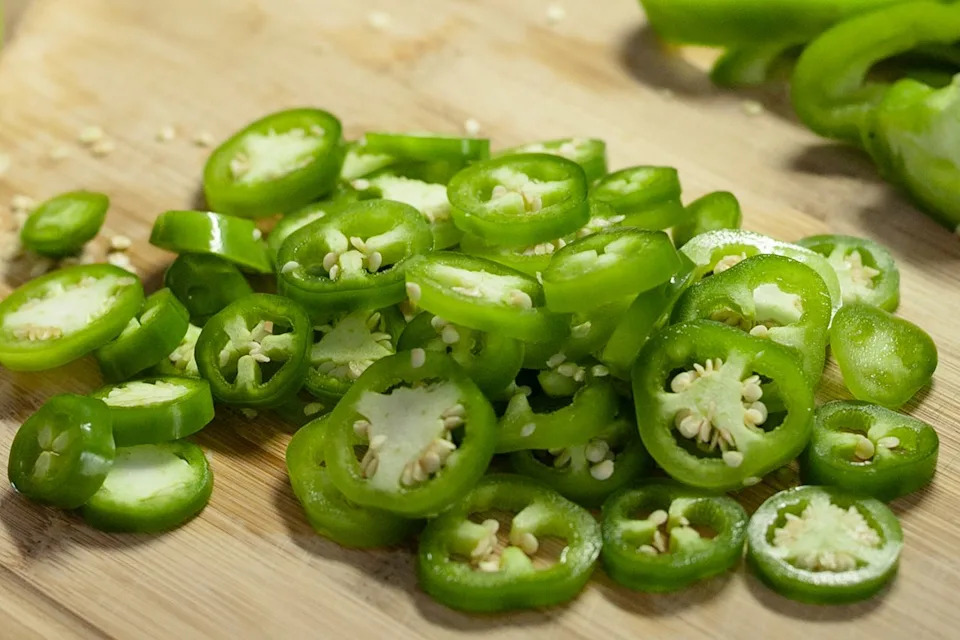
Stock image of chopped up Jalapeño peppersCredit: Getty
"Self-regulation works until it doesn't," said Kellogg J. Schwab, professor of Environmental Health and Engineering at Johns Hopkins. Dave Love, research professor at the Johns Hopkins Center for a Livable Future, added that cuts to food-safety systems "make the food system more susceptible to these types of outbreaks" and warned such events may recur annually without stronger oversight.
Current Outbreaks Tracked by the FDA and CDC
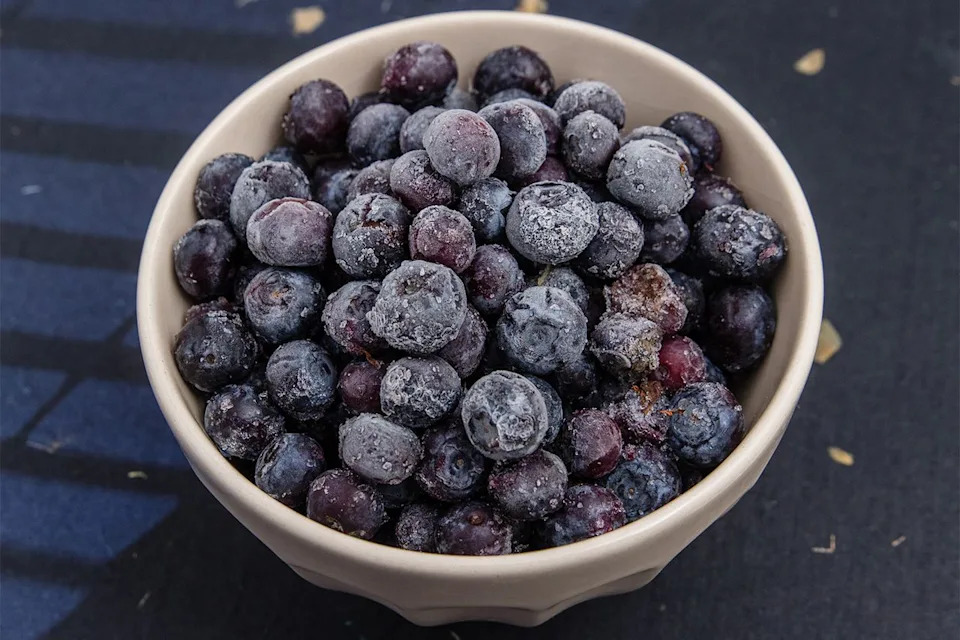
Stock image of frozen blueberriesCredit: Getty
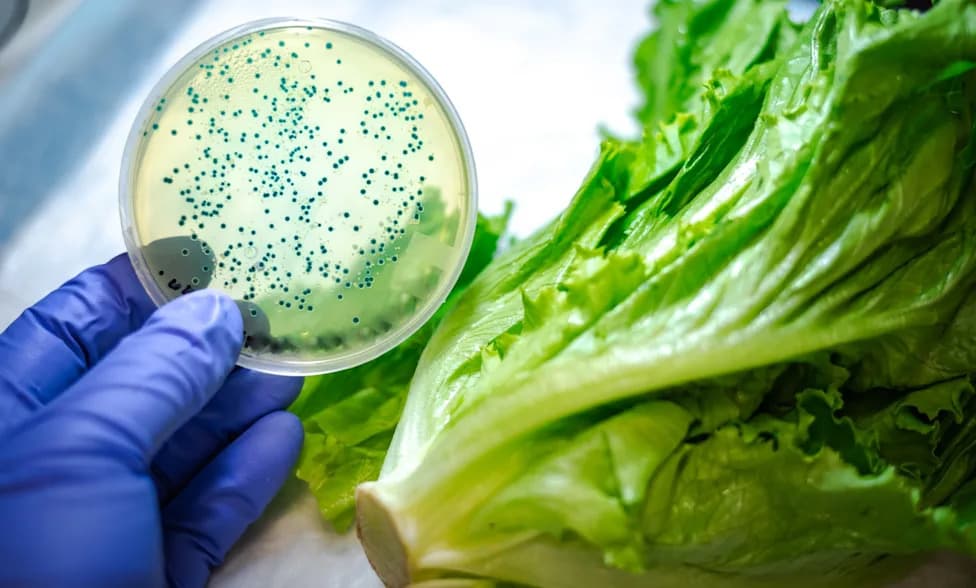
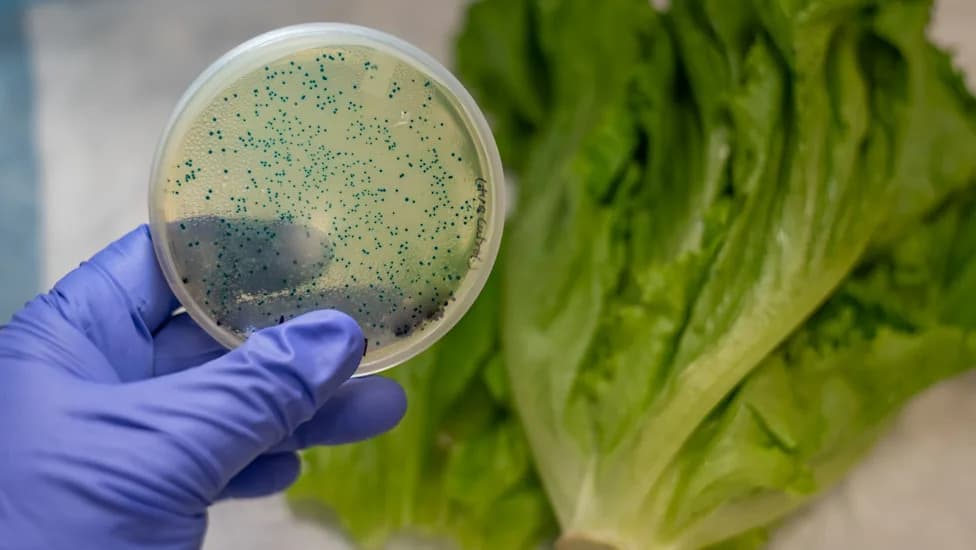
Cyclospora: A widespread Cyclospora outbreak linked to shredded iceberg lettuce and fresh herbs is one of the most serious. The U.S. Centers for Disease Control estimates more than 22,000 likely cases, with roughly half reported in Michigan; two deaths have been attributed to this outbreak. Cyclospora causes severe, often prolonged diarrheal illness and can persist for weeks without appropriate treatment.
Salmonella (Jalapeños): A multistate Salmonella outbreak has been linked to jalapeño peppers supplied by Coast Citrus Distributors and sourced from Sinaloa, Mexico. The peppers served at chains including Chipotle and Qdoba have sickened 110 people across 27 states and hospitalized 36. Symptoms typically include fever, diarrhea, abdominal cramps, nausea and vomiting.

Stock image of eggs in a bowlCredit: Getty
Infant Botulism (Infant Formula): In June, an infant formula brand produced by Nara Organics was linked to cases of infant botulism. Four infants were hospitalized. Infant botulism, caused by Clostridium botulinum toxin, can lead to a slow paralysis in babies under 1 year and requires urgent medical care.
Listeria (Requesón and Other Cheeses): One Listeria outbreak tied to requesón, a soft cheese similar to ricotta, sickened 12 people, hospitalized 10 and resulted in one death. The FDA linked the outbreak to Ceiba Foods Latin Market Inc., which was supplied by Clover Hill Dairy; Clover Hill expanded its cheese recall after the agency's investigation. A separate Listeria cluster has sickened nine people; its source remains under investigation.
E. coli (Frozen Berries): Publix recalled frozen blueberries and mixed berries after 12 confirmed E. coli infections were linked to those products. The strain was identified as E. coli O145, a Shiga toxin–producing E. coli (STEC), which can cause severe stomach cramps, bloody diarrhea and vomiting.
Egg Recall: Midwest Poultry Services recalled 1.6 million dozen eggs in July over potential Salmonella contamination. No illnesses have been reported in connection with this recall; the company said it detected the issue through proactive environmental monitoring and temporarily halted distribution from affected Texas farms.
What Officials Recommend
Public-health officials urge strengthened monitoring, improved supply-chain controls, more robust federal surveillance and coordinated responses across agencies and industry to limit the size and severity of future outbreaks. Consumers are advised to follow recall notices, cook foods to safe temperatures, and seek medical care if severe symptoms develop.
Help us improve.