Phoenix, a male piping plover first seen in January 2023 at Fort De Soto Park, lost his toes after becoming entangled in fishing line but later recovered and was nicknamed "Phoenix the Footless." Observers recorded that he continued to feed, defend territory and eventually migrate with other plovers despite severe injuries. Rescuers attempted multiple captures as gangrene set in, and euthanasia was briefly considered before he healed. Phoenix’s story underscores the dangers of beach litter and the value of long-term piping plover conservation efforts.
Phoenix the Footless: Piping Plover Survives After Losing Toes to Fishing Line
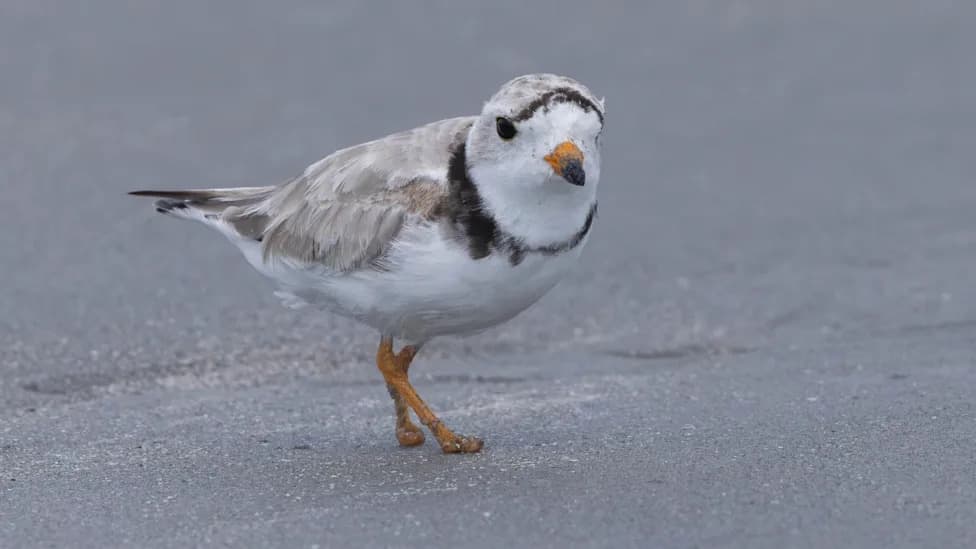
A footless adult male piping plover actively foraging at the south end of Goose Rocks Beach in southern Maine on July 10, 2026.
An adult male piping plover observed on the sand looks like any other shorebird at first glance—but this bird is missing all of its toes. Wildlife ecologist Laura Minich Zitske, director of the Coastal Bird Project at Maine Audubon, says the unusual tracks first drew attention: piping plovers normally leave distinctive three-toed, pigeon-toed footprints.
Photos of the bird circulated among birders in July and reached retired shorebird biologist and longtime Florida Shorebird Alliance volunteer Lorraine Margeson after Maine biologist Alex Lamoreaux tagged her in a Facebook post. Margeson recognized the bird as unlike any she had seen before. "There's just no one else that looks like this," she told Popular Science. "This is not an injury I've ever seen on any bird."
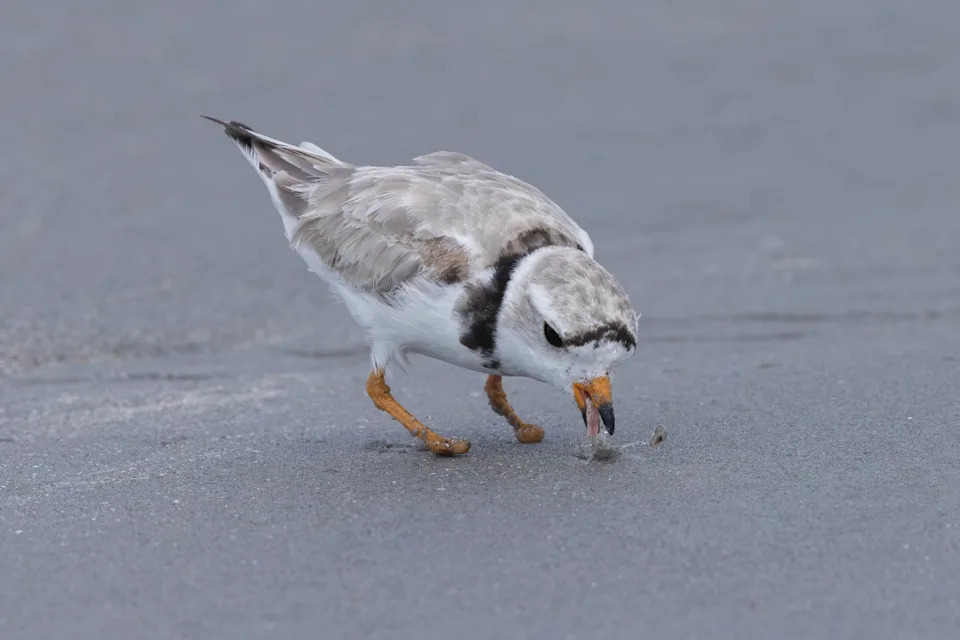
Phoenix successfully pulled up prey from the sand. He was also observed defending his feeding territory from other plovers nearby. Its behavior seemed completely normal despite missing all of its toes.Image: Alex Lamoreaux.
How It Happened
Margeson first spotted the plover—nicknamed Phoenix the Footless—in January 2023 on Outback Key at Fort De Soto Park, southwest of Tampa. Piping plovers typically spend fall and winter along the Gulf Coast, including Florida, then migrate north to the Great Lakes, Great Plains, Mid-Atlantic and New England to breed in summer.
Observers later discovered that Phoenix had been entangled in discarded fishing line around both feet. Rescuers made about 20 attempts over several weeks to capture him and remove the line, but he repeatedly escaped. As the entanglement progressed, parts of his feet developed gangrene and began to fall away, and Margeson prepared for the possibility of humane euthanasia.
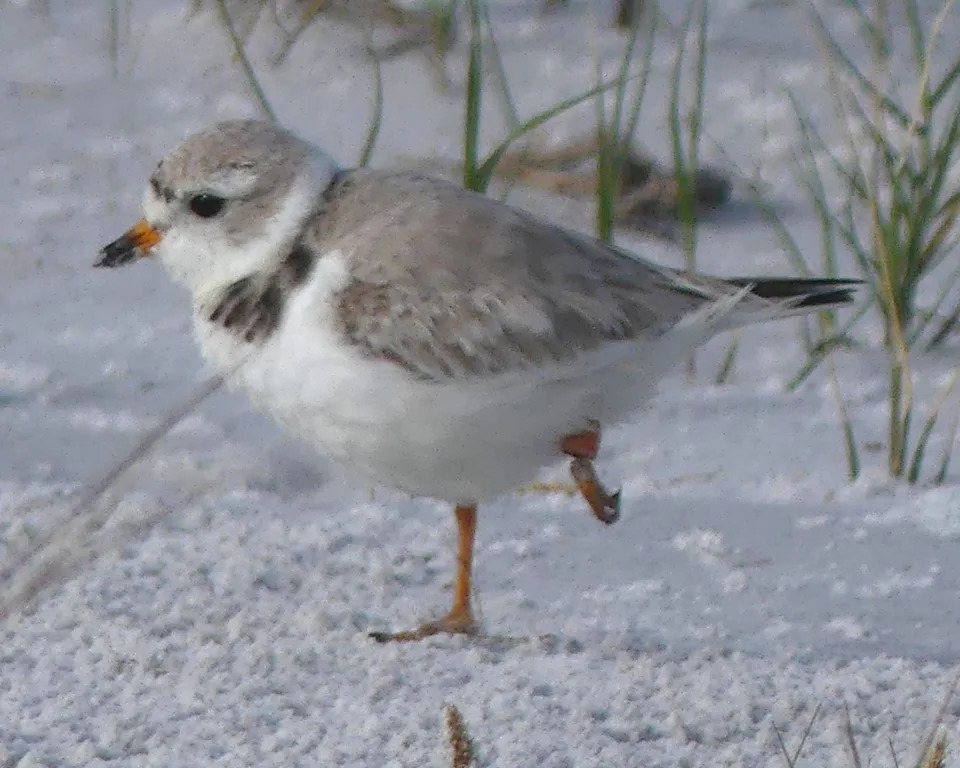
Phoenix's injuries in March 2023.Image: Lorraine Margeson.
Recovery and Behavior
To the surprise of volunteers and observers, Phoenix reappeared running across the sand without toes and behaving like other piping plovers. He was seen foraging successfully—pulling prey from the sand—and defending a feeding territory from other plovers. During his recovery year he remained in Florida while wounds healed and later resumed migration with other plovers.
"He must have been so miserable," Margeson said of the period when gangrene set in. "But then he came back running across the beach without feet."
Ornithologists note that while birds can survive severe injuries, cases like Phoenix's are uncommon. Fishing line is especially dangerous for tiny shorebirds; even human hair has caused harmful entanglements for chicks. Minich Zitske described a rescue in which a chick was saved after volunteers removed a human hair that had wrapped around a leg and caused swelling.

Phoenix spending the winter in Florida (left) and summer in Maine (right).Image: Lorraine Margeson/Alex Lamoreaux.
Conservation Context
Piping plover populations remain fragile in some regions: some populations are still listed as endangered while others are considered threatened. Decades of focused conservation, however, have helped many populations rebound. Maine’s nesting season this year was especially successful—after only 33 nesting pairs were recorded in 2011, volunteers counted a record 190 piping plover pairs this season. As of August 7, observers reported 342 fledged chicks and nine still in Maine.
Stories like Phoenix’s highlight both the resilience of wildlife and the ongoing hazard that discarded fishing line and other beach litter pose to shorebirds. Conservations efforts—such as protecting nesting beaches, public education, and removing debris—remain vital to sustaining these small, vulnerable birds.
Photo credits: Lorraine Margeson / Alex Lamoreaux / Maine Audubon / Popular Science.
Help us improve.