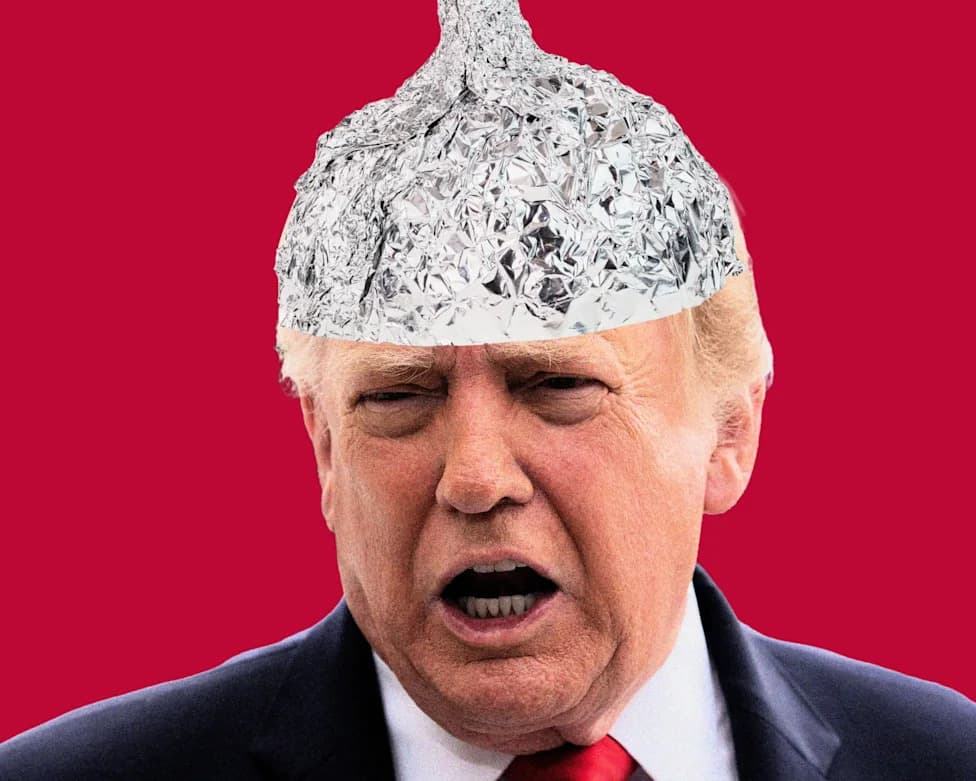
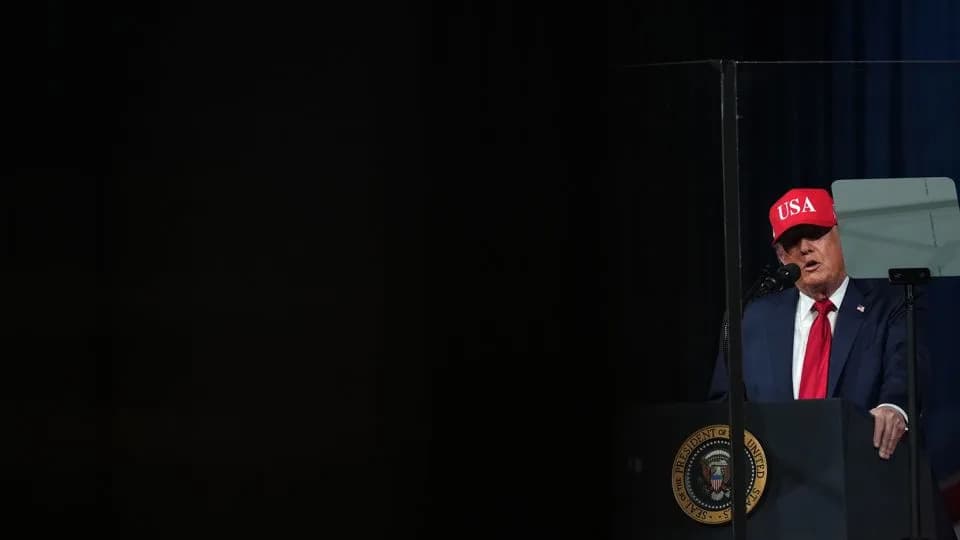
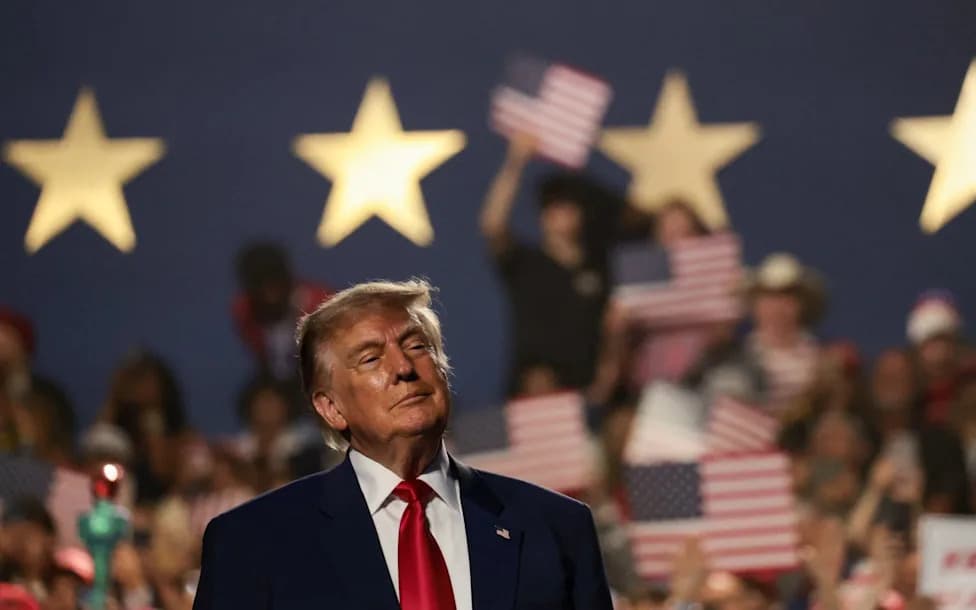
The article warns that, heading into the 2026 midterms, Republicans are reviving and reshaping conspiracy theories from 2020—about election fraud, pandemic-era officials like Dr. Anthony Fauci, and foreign interference—to mobilize the base and distract from current issues. Polling shows many Republicans still doubt the 2020 outcome, making recycled narratives politically effective. The piece cautions that these tactics aim to confuse voters, depress turnout, and undermine trust in democratic processes.
Recycling the 2020 Playbook: How Conspiracy Theories Are Driving the 2026 Midterms
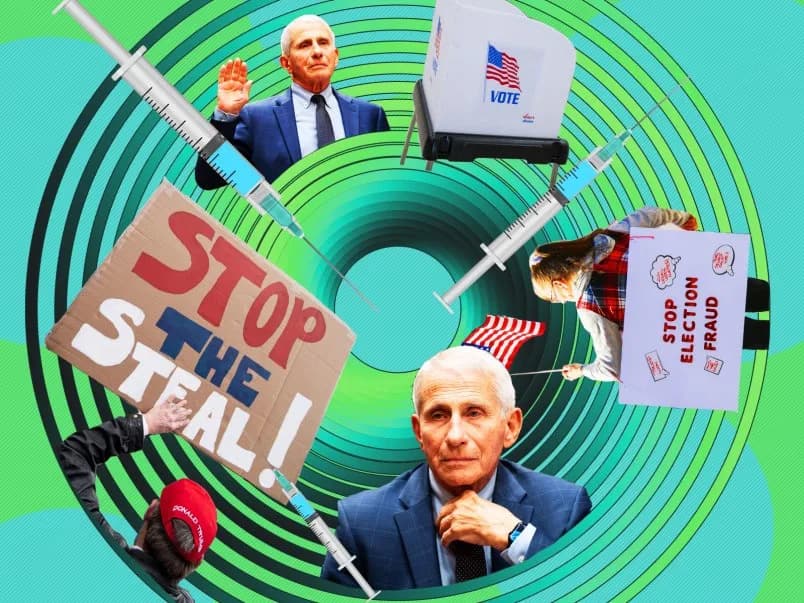
Summary: As the 2026 midterms approach, familiar conspiracy narratives from 2020 are resurfacing across GOP messaging—aimed at energizing the base, distracting from current problems, and undermining trust in elections and institutions.
Across campaign rallies, committee hearings and social feeds, Republicans are reanimating themes that dominated the post-2020 landscape. From renewed attacks on the integrity of U.S. elections to revived pandemic-era accusations against public-health officials, the same conspiratorial playbook is being repurposed to shape voter perceptions for 2026.
Replaying 2020: Election Claims and the SAVE America Act
President Donald Trump and other GOP leaders continue to cast doubt on the 2020 result, repeating allegations of widespread fraud despite the absence of credible evidence. Those claims have mutated into pre-emptive assertions that the 2026 midterms could be stolen unless new restrictions on voting—such as tighter voter ID rules and limits on mail ballots—are enacted.
Trump has also alleged, without substantiation, that the 2026 California primary was manipulated against Republicans, citing routine delays in counting and the defeat of an insurgent candidate as proof. Slow vote tallies in California are common and do not indicate fraud; such complaints echo the earlier “red mirage” narratives about late-arriving ballots changing outcomes.
The SAVE America Act, presented as a cure for this perceived vulnerability, would impose federal changes to voting rules. The bill has stalled in the Senate amid Republican skepticism about its necessity, complexity and overlap with state laws, and because many Republicans are unwilling to eliminate the 60-vote filibuster threshold that would be required to pass it.
Pandemic Conspiracies Return: The Fauci Hearings
Senate hearings on COVID-19’s origins and response quickly turned into a greatest-hits collection of pandemic-era conspiracies. Senators leveled contradictory accusations at Dr. Anthony Fauci—simultaneously blaming him for exaggerating the threat and for enabling policies that harmed the public, while also accusing him of secretly funding dangerous research. Those charges are inconsistent and largely unsupported by evidence, but they resonate politically.
That inconsistency is a hallmark of conspiratorial messaging: the underlying goal is not coherence but emotional impact. Invoking the fear and confusion of 2020 helps political actors direct anger at opponents and revive the memories that energize certain voter blocs.
Why These Narratives Persist
Polling shows a substantial share of Republican voters remain skeptical of the 2020 result. A recent Economist/YouGov survey found only about 30% of Republicans said they were confident the 2020 election was fair—evidence that recycled falsehoods still have political traction. Beyond elections and pandemic claims, familiar tropes are surfacing about figures such as George Soros or Barack Obama and about immigration—all retooled to fit 2026 campaign cycles.
What To Watch As Midterms Near
Expect a mix of recycled claims and new permutations: preemptive fraud allegations, renewed attacks on public-health decision-makers, and rehashed conspiracy frames around immigration and foreign influence. These narratives aim to mobilize supporters, depress turnout among opponents, and erode confidence in democratic processes.
Bottom line: Whether or not these stories are coherent or supported by facts is beside the point for those spreading them—the tactic is to sow doubt, stoke fear, and make voters question whether their ballots matter. Recognizing that dynamic is critical to defending election confidence.
Help us improve.