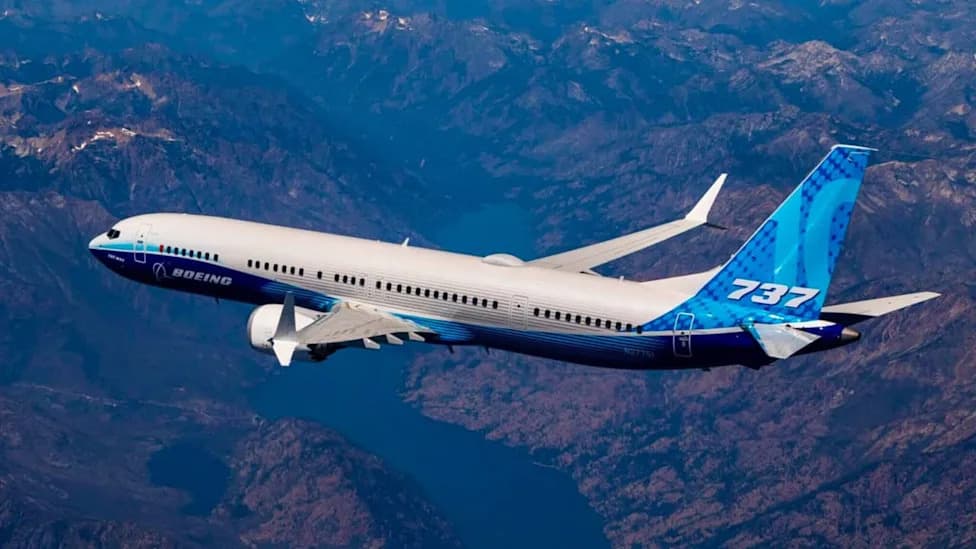
The FAA has ordered visual inspections of a structural support called a "bear strap" on 471 U.S.-registered Boeing 737 MAX jets amid concerns about possible cracking, with about 1,429 aircraft worldwide potentially affected. Compliance windows range from 3,000 to 30,000 flight cycles. The order follows other recent Boeing safety probes and comes shortly after the FAA restored Boeing's authority to perform final safety sign-offs. Boeing says cracks have not been observed on the MAX fleet but extended inspections because of shared design features.
FAA Orders Inspections of 471 U.S.-Registered Boeing 737 MAX Jets After Possible Structural Cracks Found
FAA orders inspections of nearly 500 Boeing jets for possible cracks
The Federal Aviation Administration has ordered visual inspections of 471 U.S.-registered Boeing 737 MAX jets after raising concerns about potential cracking in a structural support near a forward service door.
What the Directive Covers
The airworthiness directive requires carriers to inspect a support component known as a "bear strap," located by the forward service door near the galley, and to make repairs if cracks are found. The FAA said compliance windows vary by airplane and range from 3,000 to 30,000 flight cycles. The directive applies to approximately 471 U.S.-registered 737 MAX aircraft (including the 737-8, 737-9 and 737-8200) and about 1,429 aircraft worldwide.
Agency and Manufacturer Statements
The FAA said the inspections are intended to detect cracking before it reaches a critical stage. In a statement to media outlets, the agency noted that it proposed related safety rules in November 2025.
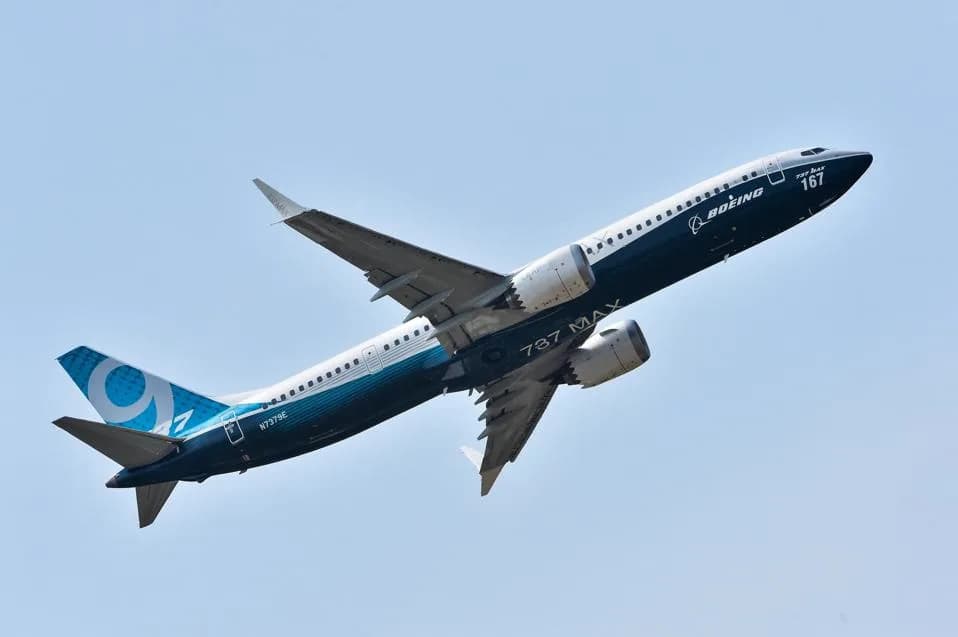
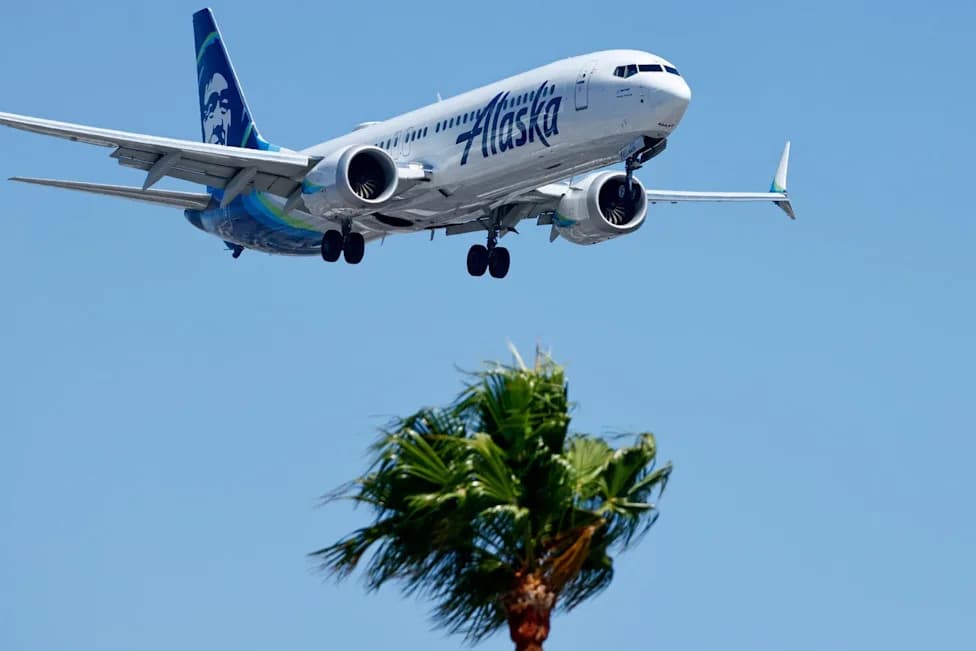
The FAA has ordered inspections of hundreds of Boeing 737 MAX planes to check for possible cracks in a structural part of its body (Getty)
"The airworthiness directive requires visual inspections of the fuselage skin for cracks and make repairs as needed," the FAA said.
Boeing said it has been working with airlines on the issue since first identifying it about six years ago and that the cracking issue has not been observed on the 737 MAX fleet. However, Boeing extended the inspections to MAX models because they share a similar design and build process with the affected older models.
Context: Recent Oversight, Safety Concerns and Production
The inspection order arrives less than a month after the FAA restored Boeing's authority to perform final safety sign-offs — a power the company lost after the 2019 737 MAX crisis, which followed two fatal crashes that killed 346 people. The FAA has gradually loosened some restrictions over the past year, allowing Boeing to resume certain certification tasks before delivery.
The inspection follows other recent safety probes involving Boeing 737 variants, including a July incident in which a window panel on an older 737 detached during a flight in Greece, partially pulling a passenger out of the aircraft; the passenger survived with injuries. Regulators also ordered inspections last month after finding improperly installed seats on some 737 MAX jets.
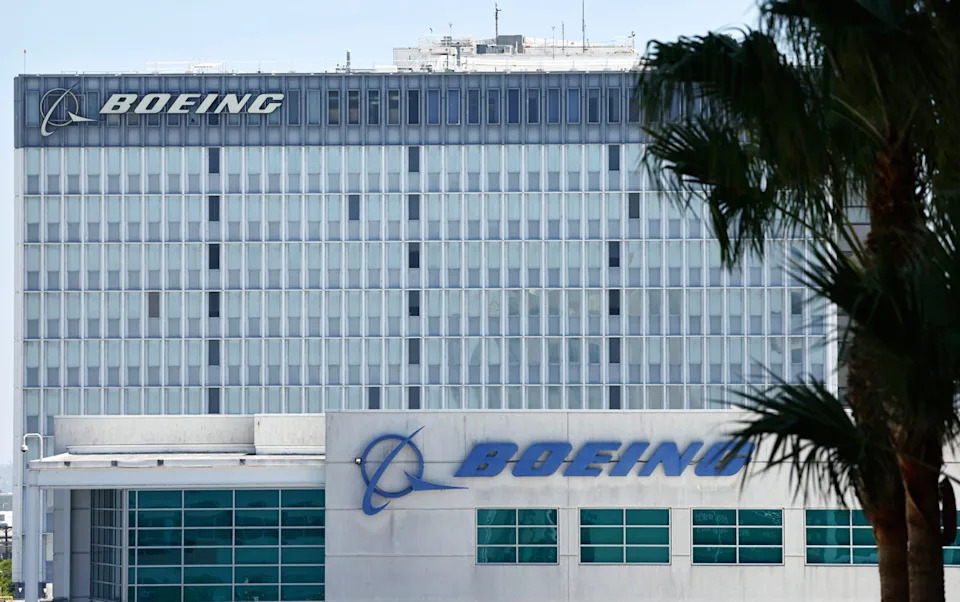
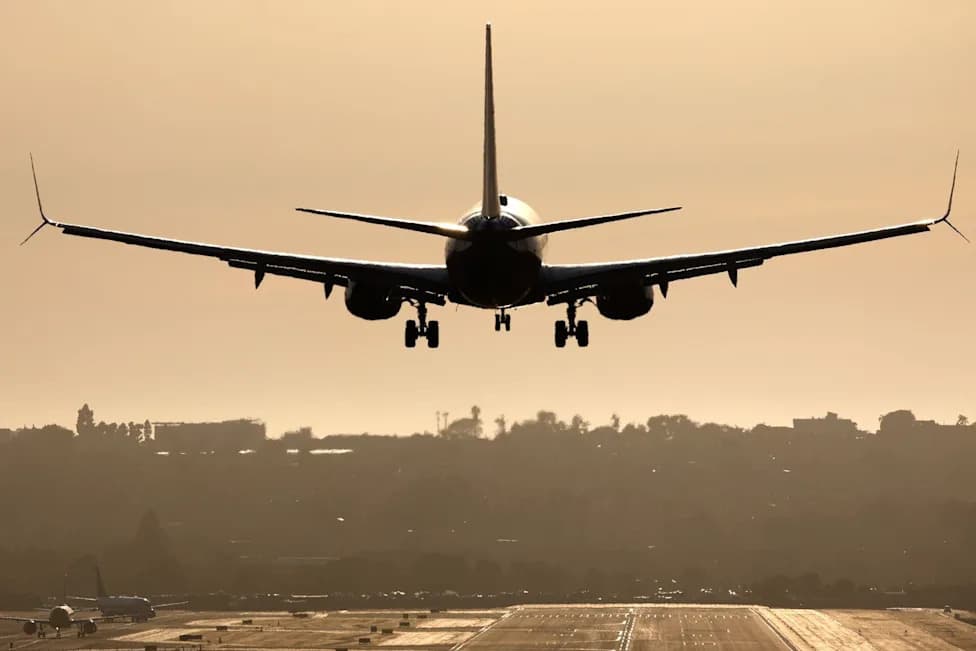
The latest inspection order comes less than a month after the federal officials reinstated Boeing's authority to conduct final safety signoffs, reversing a restriction imposed after the 737 MAX crisis (Getty)
Separately, Boeing has been increasing 737 MAX production — opening a new assembly line in Everett, Washington — as it seeks to raise monthly output from about 42 to 47 aircraft. Despite those efforts, Boeing reported a larger-than-expected second-quarter loss in 2026, citing cost overruns on the delayed Air Force One program and expenses tied to expanding production. Boeing said accelerating work on modified 747-8 airframes destined to become Air Force One will add roughly $280 million to that program's cost.
What Happens Next
Airlines affected by the directive must complete the mandated inspections within the specified compliance intervals and report findings to regulators as required. The FAA and Boeing said they will continue to monitor results and update guidance if needed.
Note: The FAA and Boeing are the primary sources for the directive and responses; The Independent and other outlets have reported on the development and sought comment from Boeing.
Help us improve.