The discovery of a juvenile alligator gar at Loch Leven indicates the restored Mississippi floodplain is again providing critical spawning habitat. The Nature Conservancy reconnected part of the 6,000-acre site using a valve-controlled box culvert that lets water rise and fall with the river's flood pulse. Loch Leven can store about 72,000 acre-feet of water when the gate is opened, helping reduce downstream flood risk. Experts say the project both boosts biodiversity and offers a model for similar reconnection work.
Juvenile Alligator Gar Found at Loch Leven Shows Mississippi Floodplain Reconnection Is Working
Photo Credit: iStock
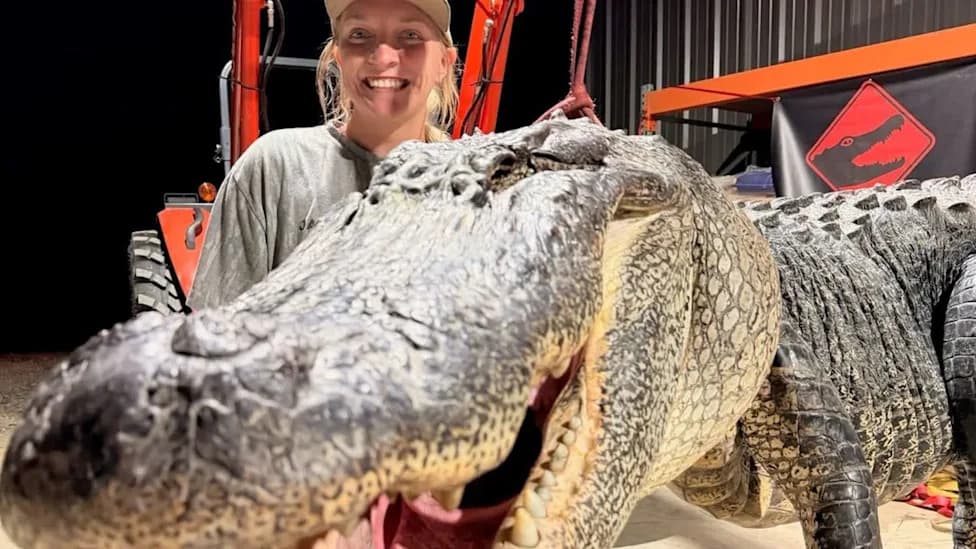
A juvenile alligator gar discovered at Loch Leven is being celebrated by conservationists as clear evidence that a restored section of the Mississippi River floodplain is again performing its natural functions.
What Was Found
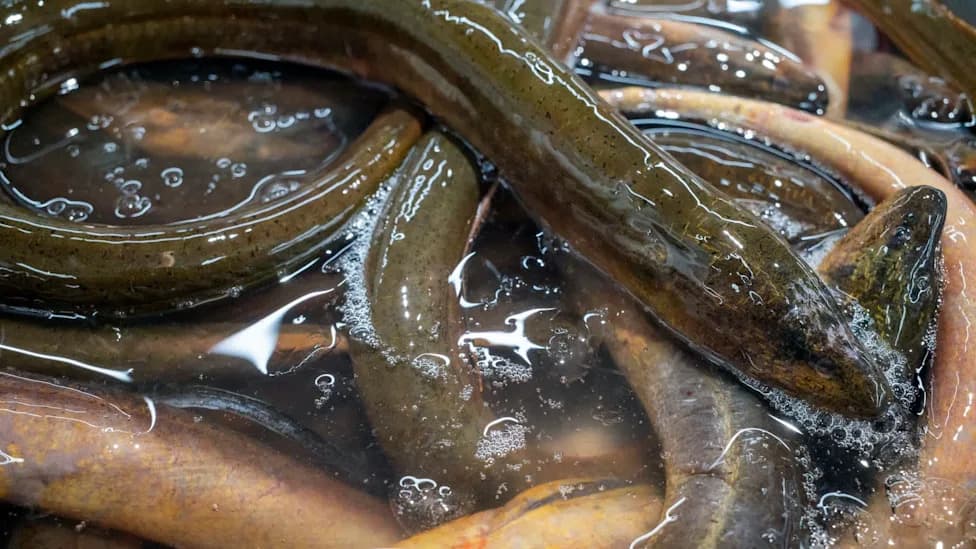
During routine monitoring, researchers found a young alligator gar at Loch Leven, a roughly 6,000-acre tract in Mississippi that was once a farm and is surrounded by a levee built before the Civil War. The fish measured more than a foot long despite being only about two months old; adult alligator gars can live up to 100 years and sometimes exceed seven feet in length.
How The Floodplain Was Reconnected
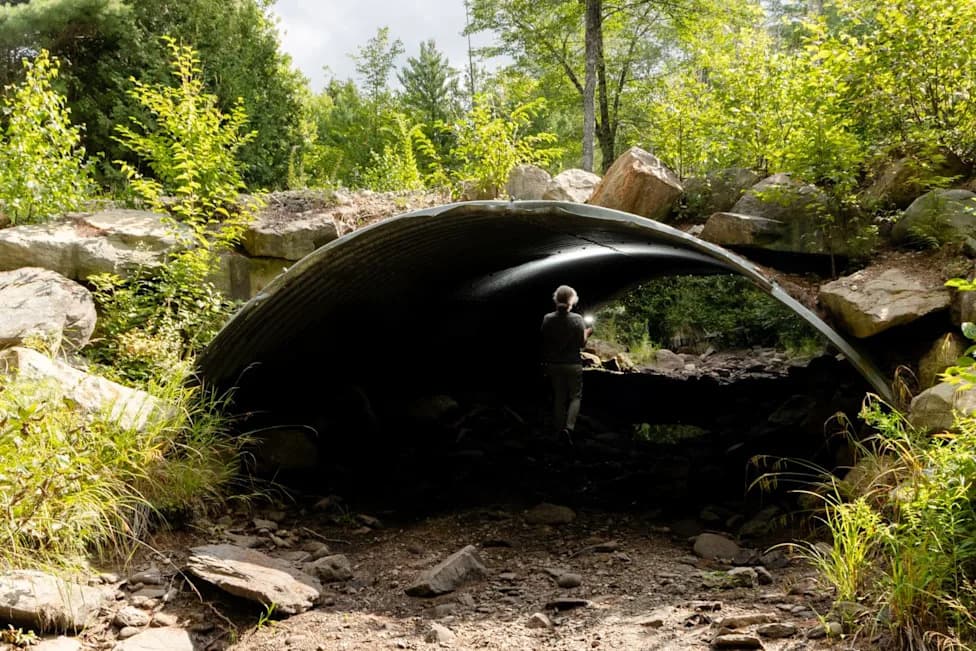
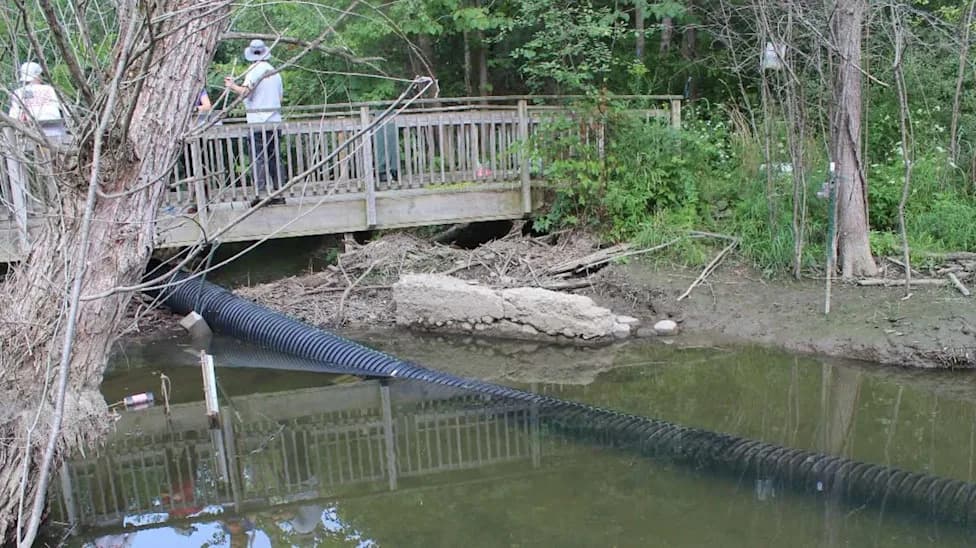
The Nature Conservancy led the reconnection effort, installing a simple box culvert fitted with a valve that can be opened and closed to let river water enter and exit the floodplain. Will Prevost of The Nature Conservancy explained that the mechanism “allows the water on the interior of the property to rise and fall with the flood pulse of the Mississippi River,” helping recreate the seasonal flow patterns many native species rely on for spawning and nursery habitat.
'If we find baby gars on the floodplain, it's a good indication that the floodplain is serving its use as far as supporting aquatic wildlife.' — Solomon David, Professor of Aquatic Ecology
Benefits Beyond Fish
When the floodgate at Loch Leven is opened, the property can hold about 72,000 acre-feet of water—roughly equivalent to filling 25 Superdomes—allowing the site to act as a modest spillway. That storage capacity can reduce peak flows downstream and ease flood pressure on communities and infrastructure in Baton Rouge and New Orleans.
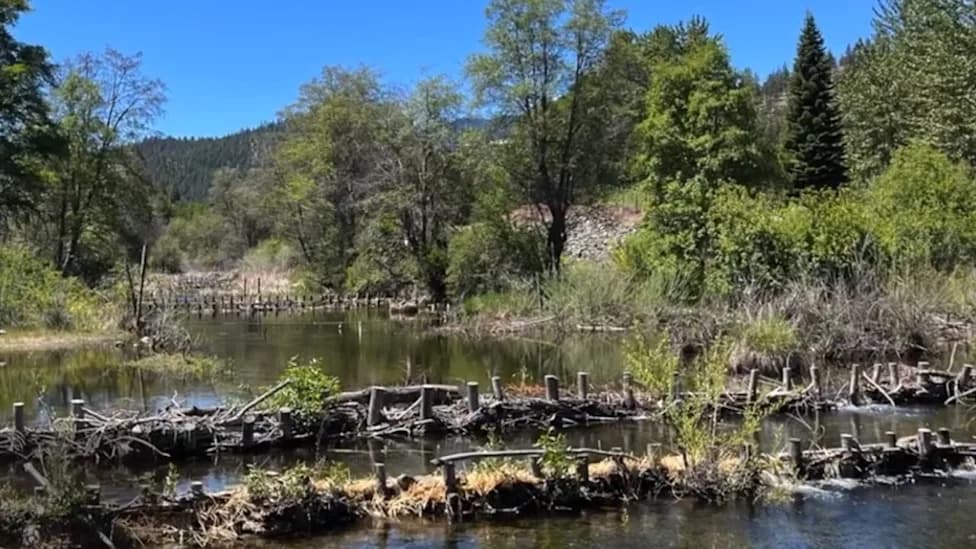
Reconnected floodplains also restore habitat for fish, birds and other wildlife while improving resilience to climate-driven increases in extreme rainfall and river flooding. The controllable structure used at Loch Leven both restores connectivity and preserves management control, letting water move more naturally in and out while protecting adjacent land when needed.
Looking Ahead
Project leaders say the approach could be replicated elsewhere along the Mississippi and on other rivers to expand habitat and give high water more room to spread before it reaches homes and neighborhoods. The juvenile gar at Loch Leven is an encouraging biological signal that practical, affordable reconnection techniques can deliver tangible ecological and community benefits.
Help us improve.