Prolonged drought in England — including the Met Office’s driest July on record — has slashed crop yields by roughly 25–30% on some farms and halved pea harvests in affected areas. Farmers like John Pawsey report failed crops such as quinoa and are trialling drought-tolerant plants and intercropping to build resilience. Experts urge a shift to more diverse, less intensive farming systems and greater public investment, while the government has pledged new water infrastructure, including nine reservoirs.
UK Farmers Face Steep Losses as Historic Drought Raises Food Security Alarm
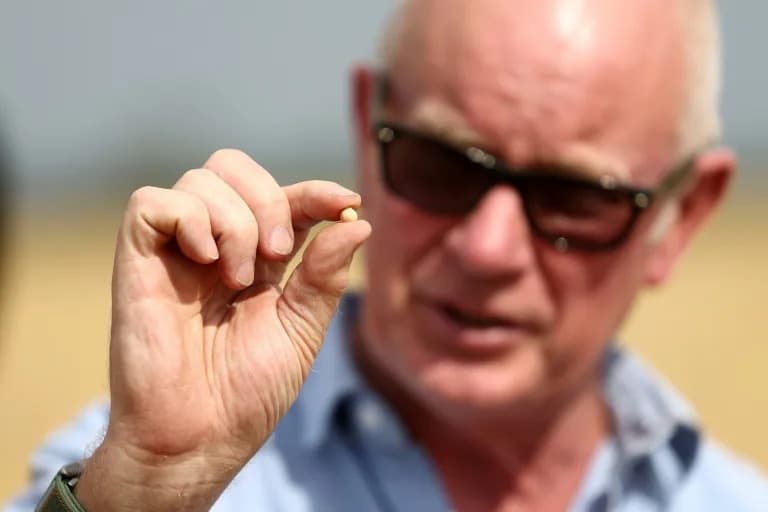
UK farmer John Pawsey has been experimenting with different crops, and holds up a chickpea more used to hot and dry conditions (Toby Shepheard)
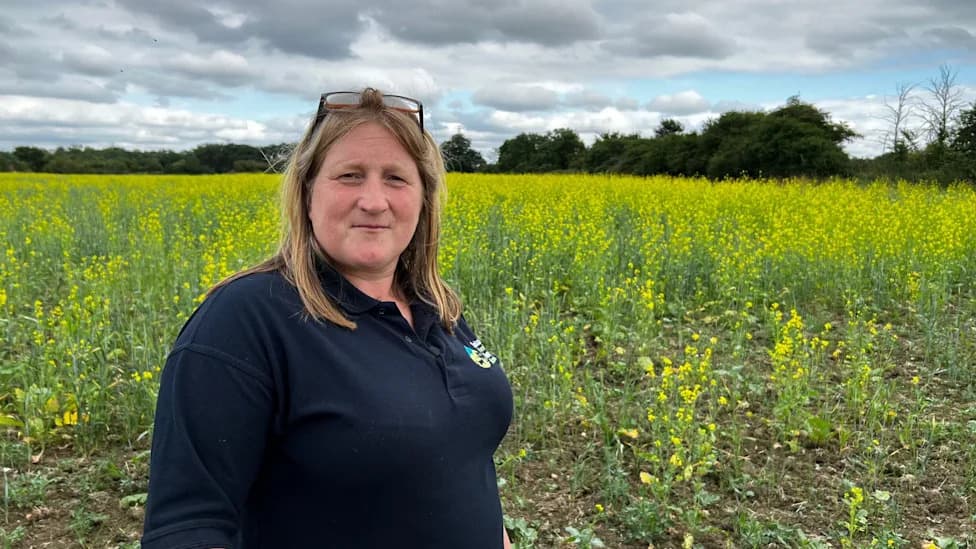
Giant clouds of dust trailed a green-and-red combine as it crawled over a bone-dry Suffolk field — a stark image of how severe drought has become for English farmers. John Pawsey, 62, says parts of his land "suddenly, completely dried out," and that weeks of little or no rain have left some crops almost ruined.
Drought Drives Down Yields
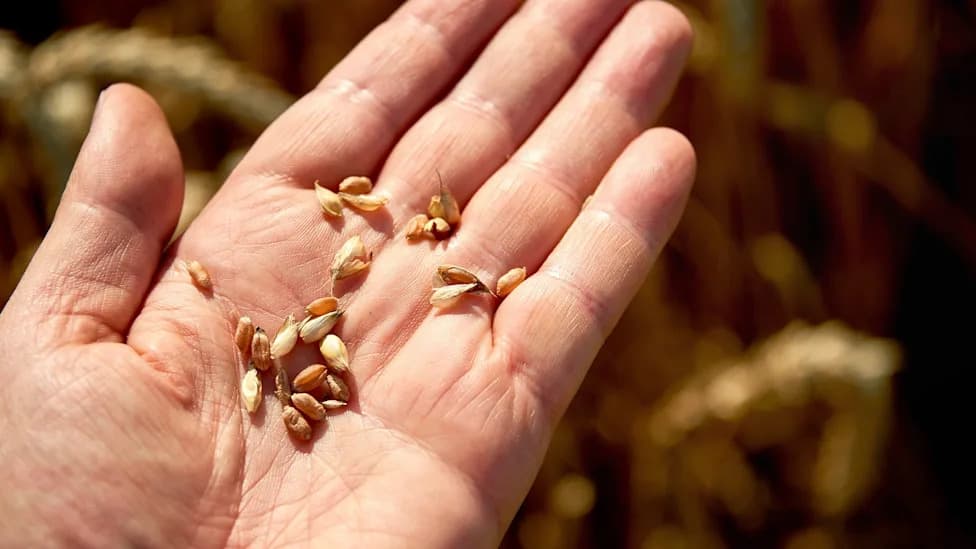
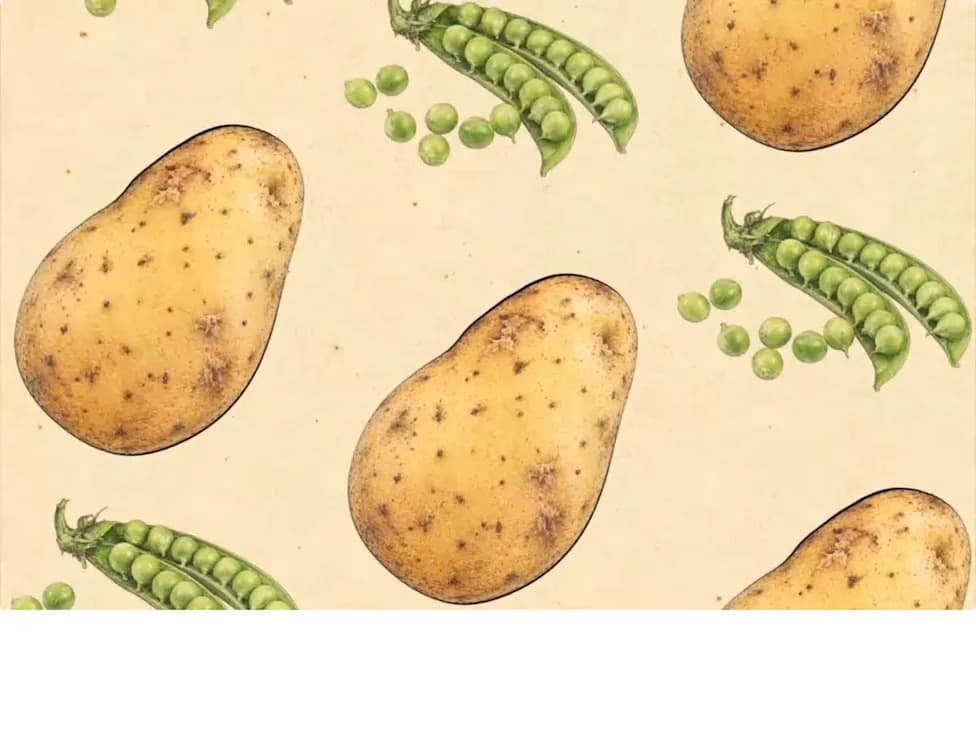
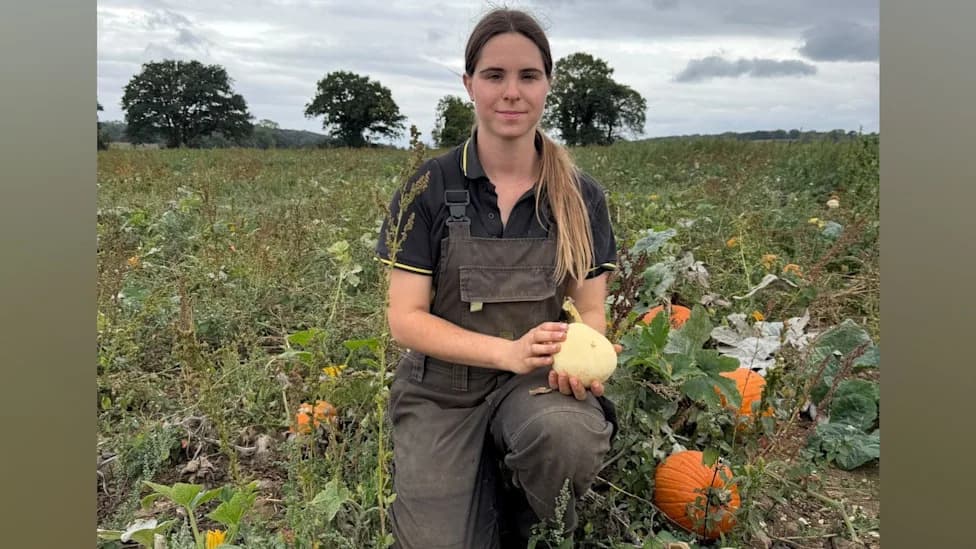
The Met Office recorded the driest July on record in England, and farmers have reported dramatic yield drops. Pawsey estimates losses of about 25–30% on his farm for crops such as oats, wheat and vetch. Pea harvests across affected areas have fallen to roughly 50% of expectations, while an experimental quinoa crop on Pawsey's land failed completely.
Farmers Adapt — But Need Support
On his organic farm, Pawsey has begun trialling crops more suited to hot, dry weather — including fava beans and chickpeas — and experimenting with intercropping (sowing two crops together to improve resilience). He argues the government must support farmers making the transition to more resilient systems.
"I am worried about the coming years," Pawsey said. "If weather trends continue, farmers will go out of business. It'll either mean higher prices or the government will have to continue to support farmers."
Experts Call For Systemic Change
Food security expert Timothy Benton advocates for "a more circular, diverse farming system" that relies less on intensive production and fewer imports of fruit and fertilisers. He warned that climate impacts will intensify and that current levels of investment in technological and systems innovation are insufficient.
Nicola Cannon, a professor at the Royal Agricultural College, said climate change could reshape British diets and farming choices. She cited the poor pea harvest and stressed that buying seasonal British produce can give farmers the market certainty needed to invest in adaptation.
Economic And Policy Pressures
Tom Bradshaw, president of the National Farmers' Union, warned that continuing droughts could lead to shortages of some foods and that lower yields reduce farmers' income, limiting their ability to invest in adaptation. A government spokesperson said ministers had pledged record investment in water infrastructure, including plans for nine new reservoirs.
The situation underscores broader tensions: adapting food systems will require both private innovation and public investment. Experts say longer-term changes — from diversified cropping and improved water storage to new technologies — will be costly but necessary as climate pressures grow.
Key takeaways: historic dry conditions have cut yields sharply, some crops have failed, farmers are trialling more drought-tolerant systems, and major public investment in water infrastructure has been promised.
Help us improve.